 ultimate-guide
Bad Neutral Wire Cause Flickering Lights?
Table of Contents
- Can a Bad Neutral Wire Cause Flickering Lights?
- Signs of a Loose Neutral Wire
- How Neutral Wire Problems Create Voltage Imbalance
- Dangers of Open Neutral Wiring
- How to Identify a Loose Neutral Connection
- When to Call an Emergency Electrician
- What Homeowners Should Do Right Now
- Frequently Asked Questions
Last Updated: September 18, 2026
Can a Bad Neutral Wire Cause Flickering Lights?
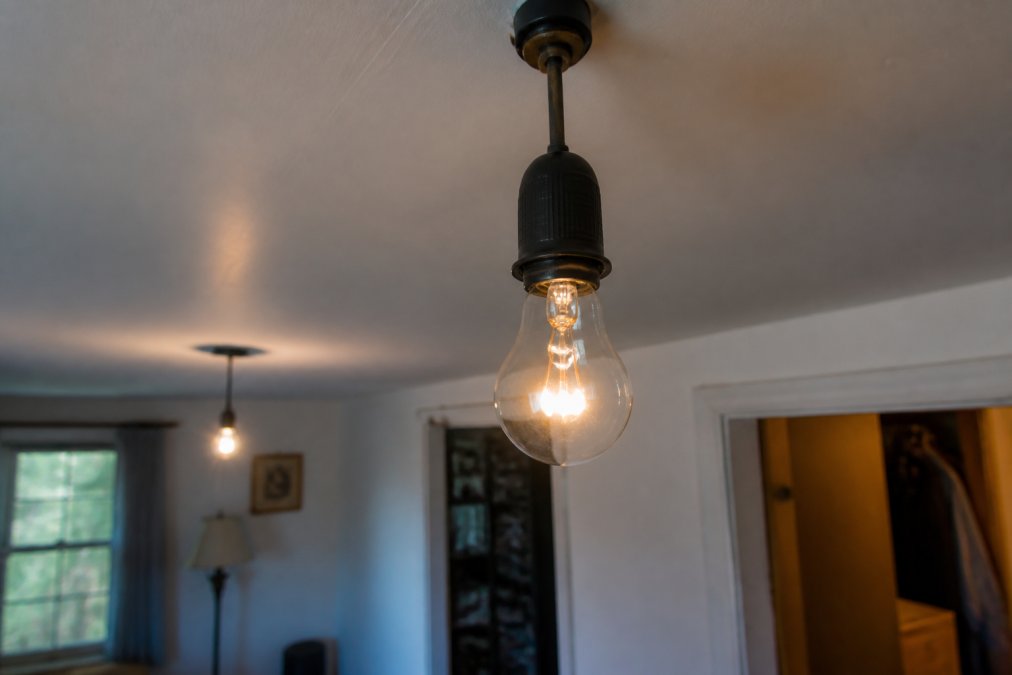
Yes, bad neutral wire flickering lights is absolutely possible and a serious concern. When the neutral conductor loses connection or becomes loose, it disrupts the electrical path that completes your home's circuits. This creates voltage imbalances across your wiring, forcing electricity to seek alternate routes through appliances and fixtures, causing them to flicker, dim, or behave erratically. A bad neutral wire flickering lights problem is one of the most common signs of a serious underlying electrical fault that demands immediate attention.
This issue isn't just annoying. A loose neutral connection generates heat at the point of failure, which can eventually ignite surrounding materials. The good news: this problem is diagnosable and fixable, but it requires a professional electrician to identify and repair safely.
Signs of a Loose Neutral Wire
A loose neutral wire produces several distinct warning signs. Flickering lights are the most obvious, but they're rarely the only symptom. Your home's electrical system is sending distress signals, you just need to recognize them.
The most common signs include:
- Flickering or dimming lights that pulse randomly or brighten and fade without reason
- Burning smell near outlets, switches, or your electrical panel
- Buzzing or humming sounds from outlets or the breaker box
- Appliances behaving unpredictably: refrigerators cycling on and off, televisions losing picture quality, microwaves running at inconsistent power
- Warm outlets or switch plates that feel hot to the touch
- Lights that brighten when you turn on a large appliance (like an air conditioner or water heater)
- Tripped breakers that reset themselves repeatedly
- Electric shocks when touching metal fixtures or appliances
Any single one of these warrants an inspection. Multiple symptoms together suggest a serious problem. The danger escalates quickly, a loose neutral that causes minor flickering today can spark an electrical fire tomorrow.
How Neutral Wire Problems Create Voltage Imbalance
To understand why a bad neutral wire causes flickering lights, you need to understand how electricity flows through your home. Your service entrance delivers two hot wires (each carrying 120 volts) and one neutral wire. The neutral completes the circuit by carrying current back to the utility transformer. When both hot wires are balanced, each supplying equal current, the neutral carries zero current.
But when the neutral connection loosens or corrodes, something dangerous happens. The neutral can no longer do its job effectively. Current that should flow back through the neutral instead seeks alternate paths, often through your appliances and fixtures. This creates voltage imbalance, one side of your service might read 140 volts while the other reads 100 volts.
Appliances designed for 120 volts don't handle this well. Incandescent bulbs flicker and dim. Motors in refrigerators and air conditioners strain under the irregular voltage. Electronics like televisions and computers experience voltage spikes that degrade components. The flickering lights you see are your home's electrical system struggling to maintain power delivery under abnormal conditions.
The utility company's power lines deliver stable voltage to your home. The problem often originates on your side, either at the service entrance where the utility connects to your home, inside your electrical panel, or somewhere in your home's wiring.
Dangers of Open Neutral Wiring
An open neutral (a complete break in the neutral conductor) is more dangerous than a loose connection because the problem is absolute. Current cannot flow back through the neutral at all. Instead, it seeks any available path, through your appliances, through you, through the earth.
This creates several hazards:
Voltage spikes and surges can destroy expensive electronics. Refrigerators, HVAC systems, water heaters, and televisions all suffer damage. The cost of replacing appliances often exceeds the cost of fixing the electrical problem.
Shock hazard increases dramatically. If you touch a metal appliance or fixture while an open neutral exists, you become the path for current to return to ground. This can cause serious injury or death.
Fire risk is the most critical danger. The heat generated at the point of the open neutral can ignite insulation, wood framing, and other combustible materials inside your walls or electrical panel. Many house fires originate from electrical faults that started as minor flickering.
Equipment damage extends beyond appliances. Your home's wiring itself can be damaged. Copper conductors can fuse together. Insulation can melt and fail. Once an open neutral has existed for even a short time, the damage may be irreversible.
The difference between a loose neutral and an open neutral is one of degree, not kind. Both are emergencies. Both require immediate professional attention.
How to Identify a Loose Neutral Connection
Identifying a loose neutral requires both visual inspection and electrical testing. As a homeowner, you can perform some initial checks, but professional diagnosis is essential for safety.
Visual inspection of your electrical panel:
Open your breaker box (the metal cabinet that houses your main breaker and circuit breakers). Look for these warning signs:
- Discoloration or blackening inside the panel, especially around the neutral bus bar or main lug
- Burn marks or charring on wires or connections
- Loose wires or connections that move when you gently shake them
- Corrosion or oxidation on copper connectors
- Melted insulation or plastic components
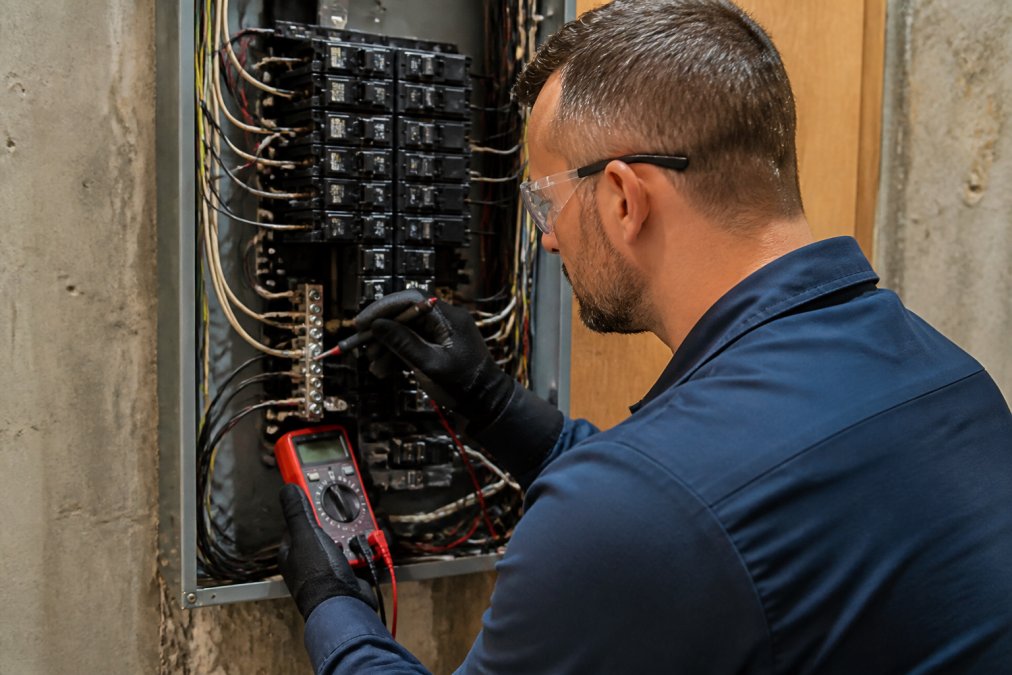
Do not touch anything inside the panel. Even with the main breaker off, some components remain live. This inspection is visual only.
Checking for loose connections at the service entrance:
Walk outside and look where the utility lines connect to your home. The connection point where the power company's lines meet your home's service entrance should be tight and secure. If you see loose connections, corrosion, or damaged insulation on the utility side of the meter, contact your power company. If the problem is on your home's side (between the meter and your panel), call an electrician.
Testing with a multimeter:
A multimeter can measure voltage between hot and neutral at different outlets. Normal voltage should be 120 volts (or very close). If you measure significantly different voltages at different outlets, say 110 at one outlet and 130 at another, you likely have a voltage imbalance caused by a loose neutral.
However, multimeter testing requires knowledge of electrical safety. Improper use can be dangerous. This is where professional diagnosis becomes necessary.
Signs in your electrical panel specifically:
The neutral bus bar is where all neutral wires from your home's circuits connect.
- Use specialized testing equipment to measure voltage drop across neutral connections
- Check for heat damage using thermal imaging
- Inspect the main lug where the utility's neutral connects to your home
- Test continuity along the neutral conductor to identify breaks or high-resistance points
When to Call an Emergency Electrician
Not all electrical problems require emergency service, but flickering lights paired with other symptoms absolutely do. The question isn't whether to call an electrician, it's whether to call immediately or schedule an appointment.
Call for emergency service right now if you experience:
-
Flickering lights combined with a burning smell
-
Any visible sparks or arcing inside your electrical panel
-
Outlets or switch plates that are hot to the touch
-
Frequent breaker trips that reset on their own
-
Flickering lights throughout your entire home (not just one circuit)
-
Any electrical smell or smoke, even faint
-
Persistent flickering in multiple rooms
-
Appliances cycling on and off unpredictably
-
New buzzing or humming sounds from your panel
-
Recent electrical work or storms before the flickering started
Regular appointment service is appropriate if:
- Flickering is isolated to one or two fixtures
- The problem is intermittent and not getting worse
- No burning smell or other warning signs are present
What Homeowners Should Do Right Now
Step 1: Document the symptoms. Note when the flickering occurs, which lights are affected, and whether other appliances are behaving strangely. Does the flickering happen when you turn on a large appliance? Does it occur at specific times? This information helps your electrician diagnose the problem faster.
Frequently Asked Questions
How can you tell if a neutral wire is bad?
A bad neutral wire typically shows multiple warning signs: flickering or dimming lights that happen randomly, voltage fluctuations on appliances, buzzing sounds from outlets or the electrical panel, and sometimes a burning smell near the service entrance. You may also notice that lights dim when you turn on high-power appliances. If you suspect a neutral wire problem, do not attempt repairs yourself, contact a licensed electrician immediately to test the wiring integrity with proper equipment.
Can a loose neutral wire cause flickering lights?
Yes, absolutely. A loose neutral wire creates an intermittent connection that causes voltage imbalance throughout your home's circuitry. When the neutral conductor is loose, electrical current cannot return properly to the service entrance, forcing it to find alternate paths through grounding or bonding. This causes voltage spikes and drops that make lights flicker, dim, or brighten unpredictably. This is one of the most common symptoms of a loose neutral wire and should never be ignored.
What should I do if I think I have a loose neutral wire?
Stop using high-power appliances and call a licensed electrician immediately. Do not open your electrical panel or attempt any troubleshooting yourself, as working with live circuits is extremely dangerous. A professional electrician can use a multimeter and other diagnostic tools to confirm the problem and locate whether the issue is on the utility-side (POCO responsibility) or house-side (your responsibility). They will also check for any thermal damage or arcing that may have occurred.
Can a loose neutral wire cause an electrical fire?
Yes, a loose neutral wire is a serious fire hazard. The intermittent connection creates arcing and heat buildup at the point of contact, which can ignite insulation or surrounding materials. This thermal damage often occurs inside walls where you cannot see it. Additionally, voltage imbalance can damage appliances and create secondary fire risks. An open neutral is classified as an electrical hazard by electrical codes and requires immediate professional attention to prevent fire risk and protect your home.