 how-to
Book a Professional Electrical Safety Inspection
Table of Contents
- What a Professional Electrical Safety Inspection Actually Covers
- Your Electrical Safety Inspection Checklist: What Gets Tested
- How Long Does an Electrical Inspection Take?
- Hiring a Licensed Electrician for Home Inspection Work
- Book a Professional Electrical Safety Inspection: Step by Step
- DIY vs. Professional Electrical Inspection: What You Can and Can't Check Yourself
- Inspection Checklist for Homebuyers vs. Homeowners
- Frequently Asked Questions
Last Updated: September 13, 2026
What a Professional Electrical Safety Inspection Actually Covers
An electrical safety inspection is a top-to-bottom evaluation of your home's wiring, panels, outlets, and grounding systems, performed by a licensed electrician to confirm everything meets current safety standards. At BEARS Electric, we've helped many homeowners understand their electrical systems. The inspection covers far more than whether your lights flicker.
Here's the uncomfortable truth most homeowners learn the hard way: the electrical system behind your walls is the one part of your house you never see, and it's the part most likely to start a fire. The U.S. Fire Administration's residential fire data consistently points to electrical failures and malfunctions as a leading cause of home fires. That's why a proper inspection matters before something fails, not after.
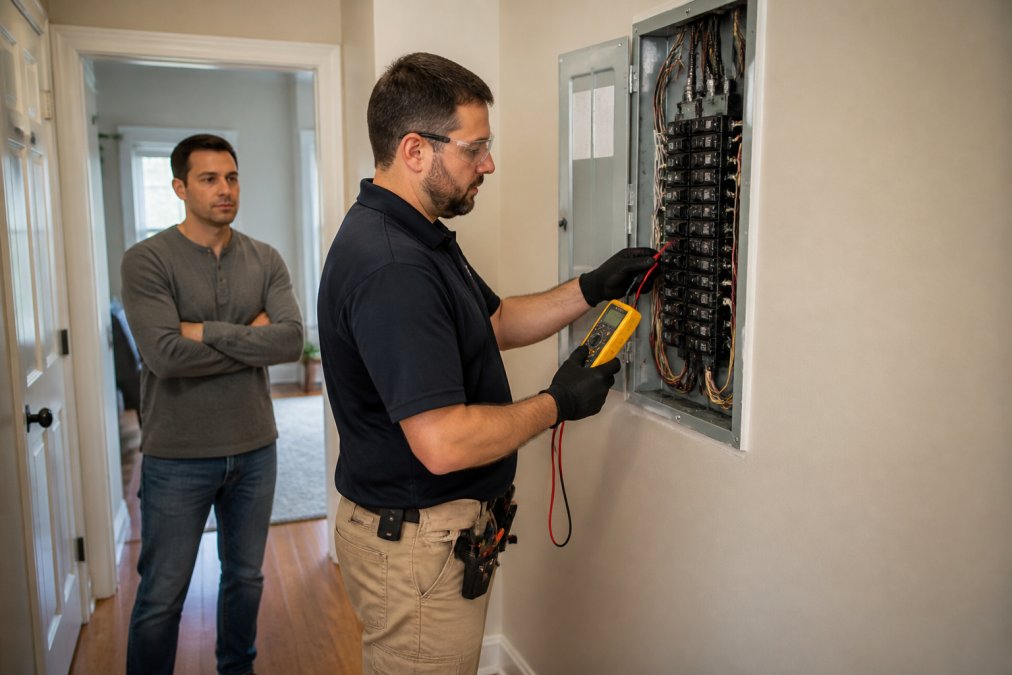
A professional electrical safety inspection examines:
- The main electrical panel and its circuit breakers
- All outlets, switches, and their wiring connections
- Grounding and bonding throughout the system
- GFCI and AFCI protection devices
- Visible wiring insulation and any signs of overheating
Your Electrical Safety Inspection Checklist: What Gets Tested
A complete electrical safety inspection checklist covers the service entrance, the panel, every branch circuit, and each accessible outlet, switch, and fixture. What separates a real inspection from a walk-through is the method: an electrician doesn't just look, they test, measure, and document. Below is what actually gets checked and how.
Service entrance and meter: The electrician inspects the mast, drip loop, service conductors, and meter base for corrosion, damaged insulation, or improper clearances. Overhead service drops that rub against tree limbs or a roof edge are a common finding in older neighborhoods.
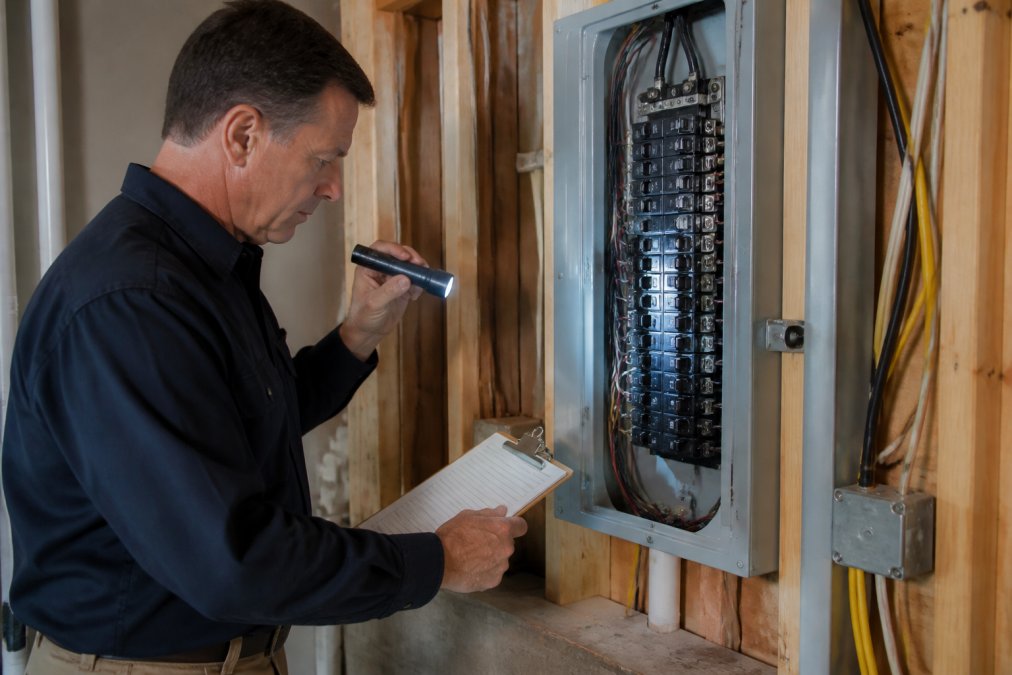
Main panel and breakers: The deadfront cover comes off. The electrician checks breaker sizing against conductor ampacity, looks for double-tapped breakers (two wires under one terminal), aluminum branch wiring, scorching, melted insulation, and evidence of arcing. Panel labeling is verified against actual circuits, mislabeled panels are the norm, not the exception, in homes more than 20 years old.
Grounding and bonding: The grounding electrode conductor is traced to its rod, plate, or water-pipe connection. Bonding of metal water and gas piping is confirmed. A missing or loose grounding electrode conductor is one of the most consequential findings because it undermines every downstream safety device.
GFCI protection: Every GFCI receptacle and breaker is trip-tested with the test button and, where accessible, with a plug-in tester. Required locations under current code include kitchens, bathrooms, garages, unfinished basements, outdoors, and within six feet of laundry and utility sinks.
AFCI protection: AFCI breakers on bedroom, living area, and other required circuits are tested. Older homes frequently have none, and retrofitting AFCI protection is one of the more common recommendations.
Receptacles and switches: The electrician checks polarity, open grounds, reverse polarity, loose devices, backstabbed connections, and heat discoloration at the terminals. A receptacle that feels warm to the touch or shows brown scorching around the slots is a stop-now finding.
Wiring methods and insulation: Visible conductors in the attic, basement, and crawlspace are examined for cracked or brittle insulation, rodent damage, improper splices outside junction boxes, and knob-and-tube or aluminum branch wiring.
Load calculation: The electrician performs a service load calculation based on square footage, major appliances, HVAC, and any planned additions such as an EV charger or heat pump. This determines whether the existing service can carry the demand.
Smoke and CO alarms: While not strictly electrical, most inspectors verify alarm placement, age, and interconnection since these devices depend on the same circuits.
A written report should list each finding with a severity level, immediate hazard, code deficiency, or monitor, so you know what to fix first. If a report is a single paragraph of prose with no itemized findings, ask for a revised version before you pay.
How Long Does an Electrical Inspection Take?
A standard residential electrical inspection takes one to three hours, depending on home size, age, and how many issues the electrician finds (internachi.org). A small, newer home may wrap up in about an hour. An older property with outdated wiring or an unlabeled panel can run longer.
The time also depends on access. If your panel is in a finished basement behind stored boxes, expect the electrician to spend extra minutes clearing space and tracing circuits. Homes with finished basements and additions often take closer to the three-hour mark because the wiring runs are harder to trace.
What affects inspection length:
- Square footage and number of circuits
- Age of the home and type of wiring
- Panel accessibility and labeling
- Whether you add thermal imaging or load testing
If you're planning a renovation or an EV charger install, tell the electrician upfront. Adding that context to the inspection means the report answers the questions you actually have.
Hiring a Licensed Electrician for Home Inspection Work
Hiring a licensed electrician for home inspection work means verifying credentials, confirming the scope in writing, and understanding what the report will and won't do for you. Most ranking guides stop at "ask if they're licensed." Here's what actually matters, including the two questions almost nobody addresses: what it costs and how it affects your insurance.
Verify the license and insurance. Licensing is administered at the state level, and requirements vary. Ask for the license number and confirm it through your state's consumer protection or licensing portal. Then ask for a certificate of insurance showing general liability and workers' compensation. If a helper is injured in your panel room and the contractor has no workers' comp, that exposure can land on your homeowner's policy.
Get the scope in writing before the visit. A written scope should state what's included (panel, circuits, GFCI/AFCI testing, grounding verification, load calculation), what's excluded (concealed wiring behind finished walls, low-voltage systems, HVAC controls), and what the deliverable is (itemized report with photos and severity ratings).
Understand what drives cost. Inspection pricing varies widely by home size, panel count, and whether thermal imaging or load testing is added. A reputable electrician will explain the factors: square footage, number of panels and subpanels, age and wiring type, accessibility, and whether the visit is tied to a real estate transaction with a deadline. Ask for a written estimate that itemizes the base inspection and any add-ons so there are no surprises.
Ask about insurance and liability implications. This is the gap most guides skip. Insurers increasingly ask about the age of the electrical system, panel brand, and presence of aluminum or knob-and-tube wiring when underwriting older homes. A recent inspection report can support a coverage decision, document a completed repair, or provide evidence in a claim. Conversely, an inspection that surfaces unaddressed hazards can prompt an insurer to require repairs before renewal. Ask your electrician whether the report format is suitable for sharing with an insurer, and ask your agent whether a documented inspection affects your premium or eligibility.
Confirm who does the repair work. An inspector who can't fix what they find leaves you coordinating two contractors and two schedules. Confirm whether the same company handles panel upgrades, GFCI/AFCI retrofits, and wiring repairs, and whether repair pricing is quoted separately from the inspection.
Check turnaround and report format. For real estate deadlines, ask how quickly the written report is delivered, same day, 24 hours, or longer. For maintenance inspections, a slower turnaround is usually fine.
Whether you're in Bristol, Terryville, Plainville, Unionville, Burlington, Southington, Wolcott, Plymouth, Farmington, Plantsville, Thomaston, Harwinton, New Britain, Marion, Milldale, Avon, Northfield, Oakville, Berlin, Waterbury, Watertown, Newington, West Hartford, New Hartford, Cheshire, Canton, Weatogue, East Berlin, Meriden, Collinsville, Prospect, Pine Meadow, West Simsbury, Morris, Wethersfield, Hartford, Middlebury, Rocky Hill, Bethlehem, Torrington, Naugatuck, North Canton, Simsbury, Lakeside, Cromwell, Litchfield, Bloomfield, Woodbury, Rockfall, Middlefield, Wallingford, Bantam, Barkhamsted, Middletown, East Hartford, Beacon Falls, Bethany, Tariffville, Washington, Winsted, West Granby, Windsor, Portland, Goshen, South Glastonbury, Washington Depot, Oxford, Durham, Granby, Hamden, Roxbury, New Preston Marble Dale, East Granby, Riverton, Glastonbury, Southbury, North Haven, Cobalt, South Windsor, Seymour, Northford, East Hartland, Manchester, Windsor Locks, Cornwall Bridge, Middle Haddam, Woodbridge, North Granby, West Hartland, Cornwall, Colebrook, East Windsor, Higganum, Norfolk, East Hampton, West Cornwall, Ansonia, Bridgewater, Sandy Hook, West Suffield, CT, the same vetting steps apply. A short phone call covering license, scope, cost factors, and report format will tell you more than any review site.
Book a Professional Electrical Safety Inspection: Step by Step
Booking a professional electrical safety inspection takes about five minutes when you know what to have ready. The process is simple: describe your home, share your concerns, and schedule a visit. Here's how to do it without wasted calls.
The booking process:
- Note your home's age and panel type. A 100-amp panel in an older home tells the electrician a lot before they arrive.
- List your symptoms. Flickering lights, warm outlets, or breakers that trip repeatedly are all useful clues.
- Mention upcoming projects. EV chargers, renovations, or generator installs change what the inspection should cover.
- Ask about timing and same-day options. If something feels urgent, say so.
- Confirm what the report includes. Know what you'll receive before you book.
- Schedule and prep access. Clear the area around your panel so the electrician can work.
At BEARS Electric, we aim to offer same-day service for urgent issues and give transparent pricing with no hidden fees, so the number you discuss is the number you pay. Whether you're in Bristol, Wolcott, Farmington, or anywhere across our Central Connecticut service area, you can verify a contractor's license through your state's consumer protection office before booking anyone.
DIY vs. Professional Electrical Inspection: What You Can and Can't Check Yourself
DIY electrical inspection is limited to what you can safely observe without opening panels or handling live wiring. You can spot symptoms. You cannot verify grounding, test breakers under load, or confirm code compliance. That gap is exactly why professional inspections exist.
What homeowners can safely do:
- Note flickering lights, dead outlets, or warm switch plates
- Check that GFCI outlets trip using the test button
- Look for scorch marks or discoloration around outlets
- Keep a log of which breakers trip and when
What requires a licensed electrician:
- Opening the electrical panel
- Voltage testing and load calculations
- Grounding and bonding verification
- AFCI and GFCI diagnostics beyond the test button
- Any work inside a wall or junction box
Opening a panel or poking around live wiring is a genuine electrocution and fire risk. The symptoms you notice are the starting point; the diagnosis is the electrician's job.
Inspection Checklist for Homebuyers vs. Homeowners
Homebuyers and homeowners need different things from an electrical safety inspection. A buyer wants a snapshot of what they're about to purchase and what it'll cost to fix. A homeowner wants a maintenance baseline and a plan for upgrades over time.
| Focus | Homebuyer | Homeowner |
|---|---|---|
| Primary goal | Uncover defects before closing | Maintain system integrity |
| Panel review | Age, capacity, code compliance | Upgrade planning |
| Wiring check | Look for outdated wiring | Monitor existing wiring |
| Report use | Negotiation and repair estimates | Preventative maintenance schedule |
| Follow-up | Fix before move-in | Ongoing inspections |
Buyers should prioritize code compliance verification and any signs of outdated wiring, since those often become negotiation points. Homeowners get more value from a preventative maintenance rhythm: an inspection every few years, plus a fresh look before any major renovation or new appliance load.
Insurance requirements often hinge on this distinction too. Some insurers ask for documentation of an electrical certification or recent inspection, especially on older homes. A written inspection report gives you something concrete to hand over.
Your home's electrical system works quietly until it doesn't, and by then the repair is rarely small. Whether you're buying a house in Bristol, Terryville, Plainville, Unionville, Burlington, Southington, Wolcott, Plymouth, Farmington, Plantsville, Thomaston, Harwinton, New Britain, Marion, Milldale, Avon, Northfield, Oakville, Berlin, Waterbury, Watertown, Newington, West Hartford, New Hartford, Cheshire, Canton, Weatogue, East Berlin, Meriden, Collinsville, Prospect, Pine Meadow, West Simsbury, Morris, Wethersfield, Hartford, Middlebury, Rocky Hill, Bethlehem, Torrington, Naugatuck, North Canton, Simsbury, Lakeside, Cromwell, Litchfield, Bloomfield, Woodbury, Rockfall, Middlefield, Wallingford, Bantam, Barkhamsted, Middletown, East Hartford, Beacon Falls, Bethany, Tariffville, Washington, Winsted, West Granby, Windsor, Portland, Goshen, South Glastonbury, Washington Depot, Oxford, Durham, Granby, Hamden, Roxbury, New Preston Marble Dale, East Granby, Riverton, Glastonbury, Southbury, North Haven, Cobalt, South Windsor, Seymour, Northford, East Hartland, Manchester, Windsor Locks, Cornwall Bridge, Middle Haddam, Woodbridge, North Granby, West Hartland, Cornwall, Colebrook, East Windsor, Higganum, Norfolk, East Hampton, West Cornwall, Ansonia, Bridgewater, Sandy Hook, West Suffield, CT, a professional inspection is a valuable investment. BEARS Electric brings 12 years of experience, transparent pricing with no hidden fees, and a satisfaction guarantee to every job, and we aim to offer same-day service when you need it most. Get a free quote from BEARS Electric and book a professional electrical safety inspection that keeps your home safe and powered efficiently.
Frequently Asked Questions
What is included in a professional electrical safety inspection?
A professional electrical safety inspection covers the service panel, circuit breakers, grounding and bonding, outlets and switches, GFCI and AFCI devices, wiring insulation, and the overall electrical load. The electrician runs voltage testing, checks for code compliance, and delivers a written electrical inspection report listing any hazards and recommended repairs. BEARS Electric serves homeowners across Central Connecticut and can walk you through exactly what your home needs before any work begins.
How often should you have an electrical safety inspection?
Most homes benefit from an electrical safety inspection every three to five years, and every year if the home is older, has had major renovations, or uses heavy electrical loads like EV chargers or generators. Preventative maintenance catches outdated wiring, loose connections, and early signs of electrical fire risk before they turn into expensive repairs. If you notice flickering lights, warm outlets, or breakers that trip repeatedly, book a professional electrical safety inspection right away instead of waiting for the next cycle.
Can I do my own electrical work and have it inspected?
You can handle cosmetic tasks like replacing a light fixture or a faceplate, but panel work, new circuits, and anything involving code compliance should be done by a licensed electrician. DIY electrical mistakes often fail inspection and can void insurance coverage if a fire occurs. A professional electrical audit confirms grounding and bonding, voltage testing, and load calculation are all correct, which is work that requires licensing, permits, and the right test equipment.
Do I need an electrical inspection before buying a home?
Yes, an inspection before purchase is one of the smartest steps you can take. Standard home inspections rarely dig into the electrical panel, arc fault protection, or wiring insulation the way a dedicated electrical safety inspection does. A report gives you leverage in negotiations and a clear picture of upcoming costs. Homebuyers in Bristol, Terryville, Plainville, Unionville, Burlington, Southington, Wolcott, Plymouth, Farmington, Plantsville, Thomaston, Harwinton, New Britain, Marion, Milldale, Avon, Northfield, Oakville, Berlin, Waterbury, Watertown, Newington, West Hartford, New Hartford, Cheshire, Canton, Weatogue, East Berlin, Meriden, Collinsville, Prospect, Pine Meadow, West Simsbury, Morris, Wethersfield, Hartford, Middlebury, Rocky Hill, Bethlehem, Torrington, Naugatuck, North Canton, Simsbury, Lakeside, Cromwell, Litchfield, Bloomfield, Woodbury, Rockfall, Middlefield, Wallingford, Bantam, Barkhamsted, Middletown, East Hartford, Beacon Falls, Bethany, Tariffville, Washington, Winsted, West Granby, Windsor, Portland, Goshen, South Glastonbury, Washington Depot, Oxford, Durham, Granby, Hamden, Roxbury, New Preston Marble Dale, East Granby, Riverton, Glastonbury, Southbury, North Haven, Cobalt, South Windsor, Seymour, Northford, East Hartland, Manchester, Windsor Locks, Cornwall Bridge, Middle Haddam, Woodbridge, North Granby, West Hartland, Cornwall, Colebrook, East Windsor, Higganum, Norfolk, East Hampton, West Cornwall, Ansonia, Bridgewater, Sandy Hook, West Suffield, CT, can schedule an inspection with BEARS Electric before closing to avoid surprises after move-in.