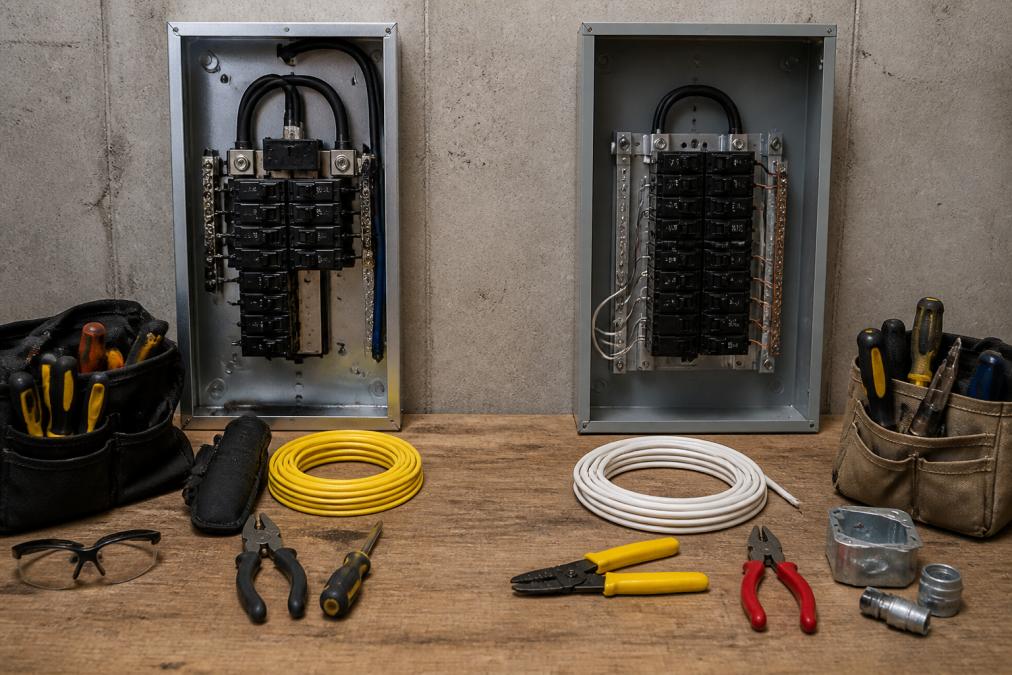
 comparison
Wells Electric vs MC Electrical: Central CT Contractor Guide
Table of Contents
- Wells Electric vs MC Electrical: Service Comparison at a Glance
- How We Evaluated These Electrical Contractors
- Licensing, Insurance, and Code Compliance: What Each Contractor Brings
- Pricing Transparency: Upfront Pricing vs. Surprise Bills
- How to Vet Electrical Contractors Before You Sign
- Questions to Ask Electrical Contractors Before Hiring
- Hiring an Electrician Who Shows Up on Time: What to Expect
- Which Contractor Wins for Your Home Project?
- Frequently Asked Questions
Last Updated: September 8, 2026
Finding the right electrical contractor for your home comes down to more than comparing company names; it is about evaluating who shows up, who communicates clearly, and who stands behind the work. Choosing between Wells Electric and MC Electrical Contracting for a project in Central Connecticut means looking past marketing and focusing on licensing, transparency, and service scope. In this BEARS Electric guide, we break down what each contractor brings to the table, how to vet them properly, and where they differ on the details that actually protect your home and your budget.
Wells Electric vs MC Electrical: Service Comparison at a Glance
The core difference between these two contractors lies in their service focus and operational model, which determines whether they fit a residential or commercial job. Wells Electric generally operates as a regional electrical contractor handling a mix of residential service calls and light commercial installations across the area. MC Electrical Contracting leans toward structured project work, often coordinating larger installations that require permit acquisition and detailed project estimation.
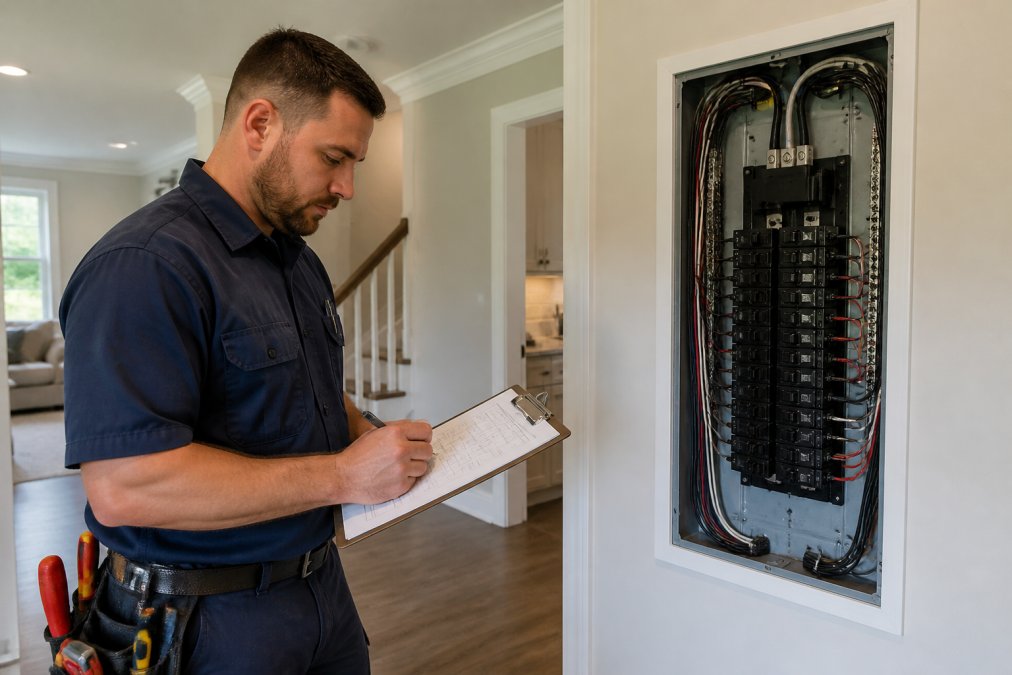
For most homeowners, the practical distinction is responsiveness and scope of work. A residential wiring repair or an electrical panel upgrade demands a contractor who can handle emergency services and preventative maintenance, not just new construction. When you compare their service areas and typical project types, you are really comparing a generalist model against a project-based model, and your choice depends on whether you need ongoing support or a single, defined installation.
| Comparison Point | Wells Electric | MC Electrical Contracting |
|---|---|---|
| Primary Focus | Residential and light commercial service | Structured commercial and project work |
| Typical Work | Service calls, wiring repairs, troubleshooting | Larger installations, system design |
| Pricing Model | Per-service quotes | Project-based contracts |
| Best Fit | Homeowners needing prompt support | Clients managing defined buildouts |
How We Evaluated These Electrical Contractors
We evaluated both contractors against a fixed set of criteria that matter for homeowner safety and satisfaction: licensing, insurance coverage, code compliance, pricing transparency, and customer feedback. Each factor carries weight because a failure in any one area can turn a routine repair into a liability issue, which is why our assessment prioritizes regulatory compliance and workmanship warranty above all else.
A common mistake is choosing a contractor based on a single low estimate without verifying their credentials or their approach to safety standards. We looked specifically for evidence of code compliant practices and whether each contractor clearly communicates their process for troubleshooting and load calculation. The evaluation also weighed how each company handles communication, because a contractor who returns calls promptly is more likely to manage your project timeline responsibly.
Licensing, Insurance, and Code Compliance: What Each Contractor Brings
Licensing and insurance are the non-negotiable baseline for any electrical contractor working in Connecticut, and both companies must hold the proper credentials to operate legally. A master electrician license signals that an individual has passed rigorous exams and has the technical proficiency to handle complex wiring, while general liability insurance protects your property during the job (ct.gov).
Code compliance is where projects succeed or fail. Electrical work must meet the National Electrical Code and local amendments, which govern everything from circuit breaker installation to outlet spacing (nfpa.org). Ask any contractor directly whether their work includes permit acquisition and final inspection, since unpermitted work can create problems when you sell your home or file an insurance claim (insurance.ca.gov). A contractor who hesitates on this question is a red flag that should send you looking elsewhere.
Pricing Transparency: Upfront Pricing vs. Surprise Bills
Pricing transparency separates reputable contractors from those who deliver unwelcome surprises on the final invoice. The most common complaint from homeowners is that the quoted price for a service call or installation rises dramatically once work begins, often justified by vague "unforeseen complications." A reliable contractor provides clear, itemized quotes before starting and explains any potential variables in advance.
For homeowners comparing Wells Electric and MC Electrical Contracting, ask each for a written breakdown of labor rates, materials, and any permit fees before signing. Be wary of estimates that seem unusually low, as they often exclude essential components like panel upgrades or code-required materials. A straightforward service quote that itemizes the work builds trust, while vague verbal estimates leave room for disputes later. Transparent pricing with no hidden fees should be the standard you demand from any contractor entering your home.
How to Vet Electrical Contractors Before You Sign
Vetting an electrical contractor requires more than reading online reviews; it demands a structured check of credentials, references, and communication habits. A practical approach is to request proof of licensing and insurance directly, then verify those documents with the issuing authority rather than taking the contractor's word.
- Confirm the contractor holds a valid Connecticut electrical license and carries workers' compensation coverage
- Ask for references from recent, similar projects and actually call them to ask about punctuality and cleanup
- Verify the contractor pulls permits and schedules inspections for code compliant work
- Request a detailed written estimate that itemizes materials, labor, and project timeline
- Check the company's BBB rating and read how they respond to negative feedback
This vetting checklist protects you from hiring someone who lacks the technical proficiency or the business practices to complete your project safely. A contractor who resists providing documentation or references is signaling that they cannot meet professional standards. Taking thirty minutes to verify credentials prevents months of frustration and the financial strain of correcting faulty work.
Questions to Ask Electrical Contractors Before Hiring
Asking the right questions before hiring an electrical contractor reveals their experience level and honesty about project scope. The responses you receive tell you whether they are a true professional or someone who will disappear when complications arise.
Begin with questions about their specific experience with your type of project, such as panel upgrades or EV charger installations. Ask how they handle the unexpected, like discovering outdated wiring that fails to meet current code during a renovation. Inquire about their schedule and whether they offer same-day service for urgent issues, since response time matters during an emergency. Finally, ask directly about their workmanship warranty and how they address callbacks, because a written guarantee demonstrates confidence in their work.
The way a contractor answers these questions matters as much as the answers themselves. Vague responses about safety standards or hesitation regarding permit acquisition should raise immediate concerns about their regulatory compliance.
Hiring an Electrician Who Shows Up on Time: What to Expect
Reliability is the trait homeowners value most when hiring an electrician who shows up on time, and it is the area where many contractors fail. Taking a day off work to wait for a service window that never materializes is a frustrating experience that erodes trust before any work begins. A professional contractor communicates their arrival window clearly, calls ahead if delayed, and respects your time by completing the job efficiently.
The difference between a contractor who respects your schedule and one who does not often comes down to their operational structure. Companies that strive to offer same-day service and maintain open communication lines tend to have better dispatch systems and customer-first policies. When you are comparing options, ask each contractor how they handle scheduling conflicts and whether they provide a firm arrival window. A contractor who commits to a specific time and meets it demonstrates the same reliability they will bring to the technical work.
Which Contractor Wins for Your Home Project?
For most residential projects in Central Connecticut, the practical winner is the contractor who combines technical skill with transparent communication and a genuine satisfaction guarantee. Homeowners consistently benefit from working with a team that treats every service call with urgency and explains the work in plain terms.
At BEARS Electric, we have spent over 12 years serving homeowners across Bristol, Southington, Farmington, and the wider Central Connecticut area with a focus on transparent pricing and quality workmanship. Our team specializes in everything from generator and EV charger installations to complex wiring repairs and panel upgrades, and every project is backed by our satisfaction guarantee. We are a minority-owned business that believes in prompt, customer-focused solutions that keep your home safe and powered efficiently.
Frequently Asked Questions
How do I verify if an electrical contractor is licensed and insured?
Ask for their license number and verify it with your state's licensing board. Confirm they carry both general liability insurance and workers' compensation. A licensed and insured contractor protects you from liability if something goes wrong on the job. Also ask about permit acquisition: a licensed master electrician pulls the required permits and schedules inspections, which keeps the work code compliant and safe for your home.
What are the benefits of hiring a local, minority-owned electrical business?
Local contractors are often easier to reach for follow-up service. Minority-owned businesses often bring a strong commitment to customer satisfaction and community reputation.
How can I tell if an electrical contractor will show up on time?
Ask for a specific arrival window, not just a vague morning or afternoon promise. A reliable contractor confirms the appointment the day before and calls if they are running late. Check reviews for comments about punctuality and communication. Companies that strive to offer same-day service often have better scheduling systems in place. You can also ask how many jobs they run per day to gauge whether they overbook.
What questions should I ask before hiring an electrical contractor for a panel upgrade?
Ask whether they perform load calculations to determine the correct panel size for your home. Ask if the quote includes permit fees and inspection coordination. Confirm the workmanship warranty and what it covers. Ask if they handle the full scope, including service entrance upgrades, which older homes often need. Finally, ask for a written, itemized quote with upfront pricing so there are no hidden fees.
Choosing the right electrical contractor is about protecting your home, your family, and your investment. You deserve a team that shows up on time, explains the work clearly, and stands behind the finished job with a real guarantee. Get a free quote from BEARS Electric today and experience the difference that transparent pricing and reliable service make on your next electrical project.