 ultimate-guide
What to Expect From Professional Electrical Quotes
Table of Contents
- What a Professional Electrical Quote Includes
- The Difference Between an Estimate and a Firm Quote
- Questions to Ask an Electrician Before Hiring
- How to Compare Electrician Quotes Without Getting Confused
- Average Time for Electrical Project Completion
- Legal and Safety Protections Behind Your Quote
- Conclusion: Get Your Free Electrical Quote Today
- Frequently Asked Questions
Last Updated: September 7, 2026
A professional electrical quote is more than a price tag; it is a written roadmap of the work your home requires, the materials needed, and the safety standards that will be met. Knowing what to expect from professional electrical quotes protects you from surprise costs and ensures the job is done correctly. This guide from BEARS Electric, a minority-owned business with over 12 years of experience serving Central Connecticut, breaks down the key components of a fair and transparent estimate so you can hire with confidence.
What a Professional Electrical Quote Includes
A proper electrical quote outlines the full scope of work, from the initial site assessment to the final testing and certification. You should expect a written document that details the specific tasks, the materials required, the project timeline, and the payment schedule. Transparency here is non-negotiable; a trustworthy contractor will itemize labor and material costs to show you exactly where your money goes.
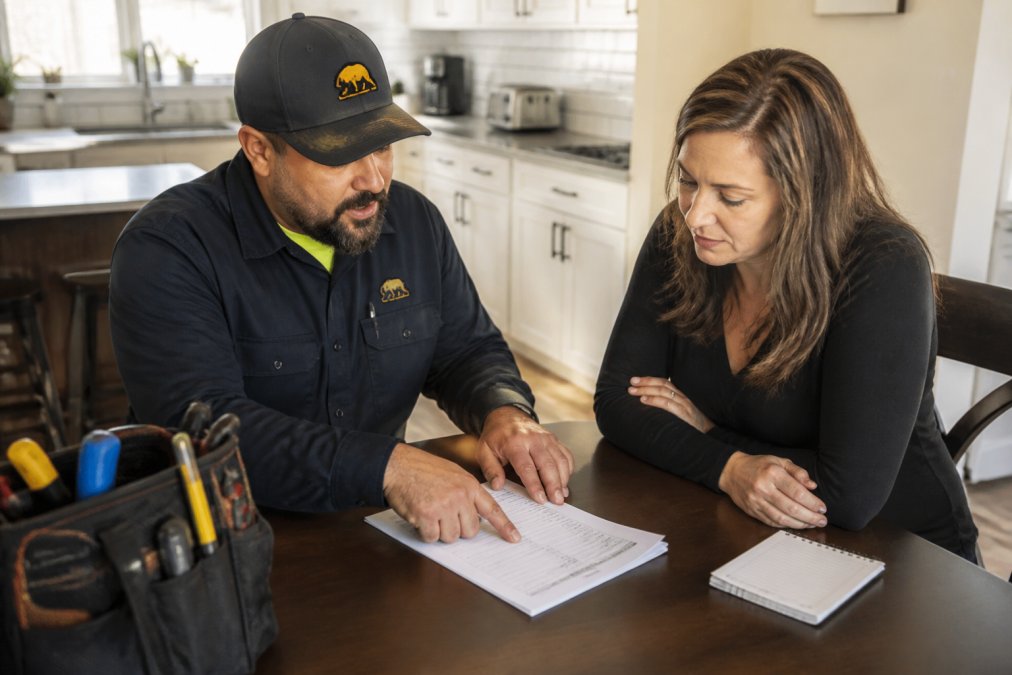
Beyond the basics, a comprehensive quote addresses compliance with local electrical standards. It should reference permit fees and inspection requirements, which are necessary for major work like panel upgrades or new circuits. The quote also acts as a written agreement, clarifying the warranty or guarantee on workmanship and protecting both you and the contractor if any disputes arise.
The Difference Between an Estimate and a Firm Quote
The main difference between an estimate and a firm quote comes down to the level of commitment. An estimate is a rough calculation of potential costs, often provided before a detailed inspection. A firm quote, or fixed price, is a binding offer that locks in the total cost for a defined scope of work, protecting you from unexpected price hikes.
Most homeowners prefer a fixed price because it eliminates the anxiety of an hourly rate that could balloon. However, a firm quote is only valid if the scope of work remains unchanged. If you request additional outlets or move a fixture during the project, the contract may need to be revised. Always ask which type of pricing you are receiving before the work begins.
Questions to Ask an Electrician Before Hiring
Before you sign anything, ask specific questions to gauge the contractor's professionalism and reliability. Inquire about their experience with your specific type of project, whether it is an EV charger installation or a full panel upgrade. Ask about their projected timeline for the electrical project completion and how they handle unexpected complications that arise during the job.
You should also confirm who will perform the work. Will it be a master electrician or a subcontractor? Ask about the warranty on parts and labor, and request proof of insurance. A common mistake is assuming all electricians are equally equipped to handle older homes with 100-amp panels; asking about their experience with your home's specific electrical infrastructure is essential.
How to Compare Electrician Quotes Without Getting Confused
When you are learning how to compare electrician quotes, focus on the scope of work rather than just the bottom line. A lower bid might exclude crucial steps like permit fees or proper material disposal, making it seem cheaper than a more thorough competitor. Create a checklist of the services each quote includes to compare them side-by-side accurately.
Look for transparency in the itemized breakdown. A quote that lists specific materials and quantities shows careful planning, while a vague document suggests a lack of attention to detail. Pay close attention to the billing terms and payment schedule; reputable contractors typically require a deposit but not full payment upfront.
Red Flags in Low-Ball Bids
A bid that is significantly lower than the others is often a red flag, not a bargain. Low-ball bids frequently cut corners by omitting necessary permits, skipping inspection requirements, or using substandard materials. This can lead to code violations and safety hazards that cost far more to fix later.
Be wary of contractors who demand cash payments or refuse to provide a written agreement. Professional electricians adhere to strict electrical standards and will stand behind their work with a warranty. If a quote lacks detail or the contractor pressures you to decide immediately, it is wise to walk away and continue your search.
Average Time for Electrical Project Completion
The average time for electrical project completion varies widely depending on the complexity of the task. Simple repairs, like replacing a faulty outlet or a light switch, can often be finished in a few hours. Larger projects, such as a full service panel upgrade or whole-home rewiring, can take several days to complete.
A professional quote should include a realistic project timeline. This timeline accounts for the physical work as well as the time required for permit inspections. While many companies strive to offer same-day service for urgent issues, scheduling for a major renovation is typically planned weeks in advance to ensure the right materials and crew are available.
Legal and Safety Protections Behind Your Quote
Your quote is not just a price list, it is a legal instrument that defines the contractual relationship between you and the electrician. Understanding what happens the moment you accept it can protect you from disputes that arise when the final bill does not match the paper. Most homeowners do not realize that a signed quote can function as a binding contract under state law, even without a separate formal agreement.
What Acceptance Actually Means
When you sign a fixed-price quote, you are typically entering into a legally enforceable agreement. The contractor is obligated to perform the described scope of work for the stated price, and you are obligated to pay upon completion. If the contractor tries to charge more than the quoted amount without a documented change order, you have legal grounds to dispute the overage. Conversely, if you cancel the project after work has begun, you may be liable for materials already purchased or labor already performed.
A critical distinction is between a quote and an estimate. An estimate is generally not binding; it is a projection of likely costs. A quote, especially one labeled "fixed price" or "not to exceed," creates a stronger legal expectation. Always look for the exact language on the document. If it says "estimate" or "proposal," ask the contractor to clarify in writing whether the price is guaranteed. In many areas, a contractor who provides a written fixed-price bid is generally held to that figure for the defined scope, barring unforeseen conditions that are explicitly noted in the contract.
The Permit and Inspection Chain of Responsibility
When you accept a quote that includes permit fees, you are authorizing the contractor to act as your agent with the local building department. This is a significant legal protection. The contractor pulls the permit in their name, which makes them responsible for the work meeting the National Electrical Code (NEC) and local amendments (nec.org). If the work fails inspection, the contractor must correct it at their own cost, not yours.
This is why a quote that omits permit fees is a red flag. If a contractor suggests skipping the permit to save money, they are asking you to assume liability for any code violations. In many towns, inspections are mandatory for major work such as panel upgrades, new circuits, and service changes. Without a permit, your homeowner's insurance may deny a claim if faulty work causes a fire, and you could face fines when you sell the home and the unpermitted work is discovered during the buyer's inspection.
Digital vs. Paper Quote Verification
In an era where quotes arrive by email and contractors communicate by text, verifying the authenticity of a digital quote is a new layer of protection. A common scam involves a fraudulent contractor sending a low-ball digital quote that looks professional but is not backed by a real, licensed business. Before you accept any digital quote, verify the contractor's license number through your state's Department of Consumer Protection or the appropriate licensing board. Cross-check the phone number and physical address on the quote against the company's website and public records.
A legitimate contractor will not pressure you to sign a digital document on the spot. If you receive a quote via email, take the time to review it on a computer screen, not a phone. Check that the company name, license number, and insurance policy details are all present. If anything seems off, call the contractor directly using the number from their official website, not the number in the email signature, to confirm they sent it.
What Happens When the Final Bill Exceeds the Quote
If the final bill exceeds the quoted amount without a signed change order, you have options. First, do not pay the overage under duress. Request an itemized invoice that explains the difference. If the contractor claims unforeseen conditions, such as discovering knob-and-tube wiring behind a wall, ask for documentation and photos. Legitimate unforeseen conditions may justify a change order, but the contractor must have obtained your signature before proceeding with the additional work.
If the contractor proceeds without authorization, you may dispute the charge. Most disputes are resolved through negotiation, but you have recourse through small claims court for amounts within its jurisdiction. The written quote is your primary evidence. Keep a copy of the signed quote, all change orders, and all payment receipts in a safe place. This paper trail is your best defense if a disagreement escalates.
Conclusion: Get Your Free Electrical Quote Today
Understanding what to expect from professional electrical quotes eliminates the guesswork and helps you avoid hidden costs. A transparent, itemized quote provides peace of mind, knowing that the pricing is fair and the work will be completed to code. For complex projects like panel upgrades or generator installations, working with an experienced team makes all the difference.
At BEARS Electric, we are committed to delivering quality workmanship with transparent pricing and no hidden fees. Our team, in business since 2012, serves homeowners across Bristol, Plainville, Southington, and the wider Central Connecticut area with prompt, reliable service. Get started with a free quote and experience the confidence of working with a team that values your safety and satisfaction.
Frequently Asked Questions
Is it normal for an electrician to charge for a quote?
Many electricians offer free quotes for standard residential work, while others charge a fee that is often credited toward the project if you hire them. The practice varies by company and the complexity of the job. Before scheduling, ask directly about any quote fees. A paid quote is not a red flag if the fee is disclosed upfront and applied to your final bill. What matters most is getting a detailed, written estimate you can compare against others.
What specific details should be itemized in an electrical estimate?
A professional electrical quote should itemize labor costs, material costs, permit fees, and any inspection requirements. Look for a clear scope of work that describes exactly what will be done, the brands or types of materials to be used, and a project timeline. The quote should also state payment schedule terms, warranty information, and whether the price is a fixed price or an estimate based on hourly rate. If any of these details are missing, ask for clarification before signing.
How do I distinguish between a rough estimate and a firm quote?
A rough estimate is a ballpark figure based on initial information, often given over the phone without a site visit. A firm quote, or fixed price, is a binding written agreement after the electrician has assessed your home and defined the scope of work. The firm quote should itemize costs and list the specific work to be performed. Always request a site visit before accepting a quote for significant electrical work to avoid unexpected charges later.
What are the red flags to look for in a low-ball electrical bid?
A bid that comes in far lower than others often signals trouble. It may mean the electrician plans to skip permit fees, use substandard materials, or cut corners on safety to save money. Other red flags include a refusal to provide a written contract, a demand for full payment upfront, and a lack of proper licensing or insurance. A professional quote provides transparency about costs and compliance with electrical standards, protecting you from liability and unsafe work.
Should I expect a written contract with my electrical quote?
Yes, for any project beyond minor repairs, a written contract is standard practice. The contract should match the quote and include the scope of work, itemized costs, payment schedule, project timeline, and warranty information. It should also reference the permits required and who is responsible for pulling them. A written agreement protects both you and the electrician by documenting expectations. Never rely on a handshake or a verbal promise for significant electrical work.
What factors typically influence the final cost of electrical work?
Several factors determine the final cost: the complexity of the job, the cost of materials, local permit fees, and the time required for completion. Labor costs reflect the electrician's expertise and overhead. For example, upgrading an electrical panel or installing an EV charger involves more materials and labor than replacing outlets. The age and condition of your home's wiring can also affect the price. A detailed quote should break down these factors so you understand what you are paying for.