 how-to
Why Electrical Quotes Change After Start: A Homeowner's Guide
Table of Contents
- The Difference Between an Estimate and a Binding Quote
- Why Electrical Quotes Change: The Discovery Phase Explained
- Common Hidden Electrical Wiring Issues That Drive Up Costs
- Understanding the Electrical Change Order Process
- What to Include in an Electrical Contract to Protect Yourself
- What to Do When Your Electrician Raises the Price Mid-Project
- Conclusion: Get a Clear Quote Before Work Begins
- Frequently Asked Questions
Last Updated: September 9, 2026
Few moments in a home renovation are more frustrating than approving an electrical quote and then hearing the price will be higher than expected. This guide from BEARS Electric explains why electrical quotes change after start, what triggers a legitimate price adjustment, and how to protect yourself before signing anything.
The Difference Between an Estimate and a Binding Quote
An estimate is a preliminary guess at project costs, while a binding quote is a contractual commitment to complete a defined scope of work for a set price. Many homeowners confuse the two, which is why an initial estimate can rise once site inspection reveals the true condition of their wiring.
The key distinction comes down to language in your written agreement. If the document says "estimate" or "approximate," the electrician can legally adjust the final price when conditions change. A true fixed-price quote locks in labor costs and material markup for the exact scope of work described.
Why Electrical Quotes Change: The Discovery Phase Explained
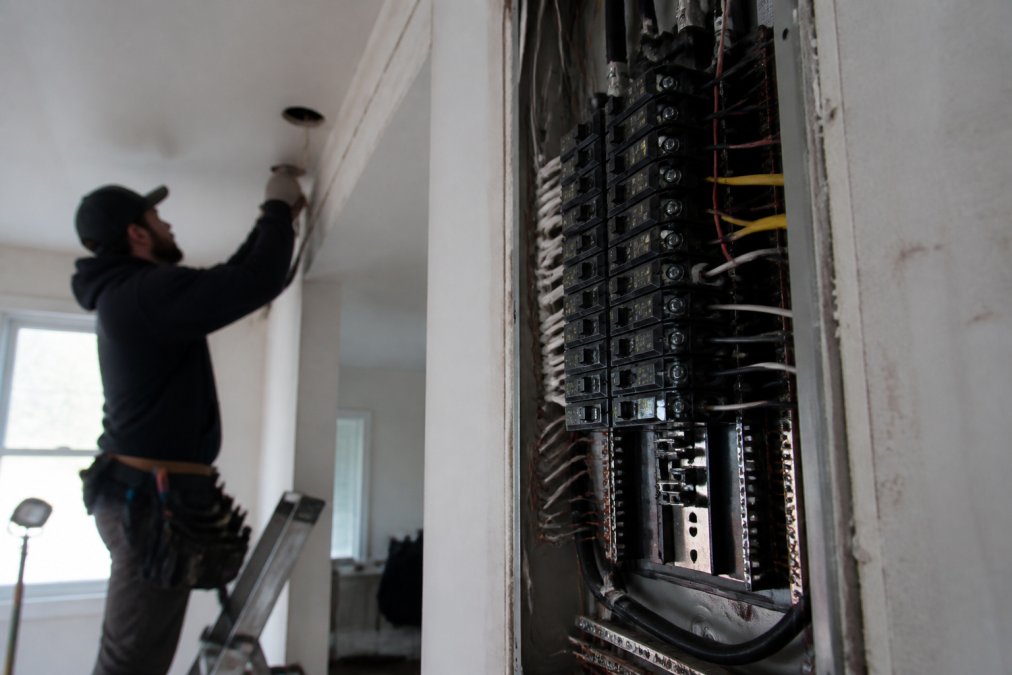
The discovery phase is where an electrician opens up walls, accesses junction boxes, and inspects the actual condition of your electrical system. This phase often reveals conditions no site inspection could predict, and it is the most common reason why electrical quotes change after start.
A professional electrician cannot see inside your walls during the quoting process. They can test outlets and check visible wiring, but the condition of cable running through framing stays hidden until the work begins. When your contract includes a clause for unforeseen conditions, the electrician is entitled to submit a change order reflecting the true scope of work.
Unforeseen Conditions Behind the Walls
The most frequent discovery is outdated wiring that does not meet current code compliance standards. A home built decades ago may have aluminum branch circuits, cloth-insulated wiring, or splices hidden inside walls that are now electrical hazards (cpsc.gov). When these are uncovered, work must stop until the electrician re-evaluates the project.
Common Hidden Electrical Wiring Issues That Drive Up Costs

Behind-the-wall discoveries typically fall into a few predictable categories. Knowing them helps you anticipate why electrical quotes change after start.
- Inadequate circuit capacity: Older homes often have circuits stretched to their limit. Adding modern loads requires a panel upgrade or new dedicated circuits.
- Damaged or deteriorated wiring: Rodent damage, heat deterioration, or cracked insulation can make existing cable unsafe to reuse.
- Improper junction boxes: Splices buried inside walls without an accessible box violate code and must be corrected.
- Missing grounding and bonding: Older systems frequently lack the grounding path that modern safety standards require.
- Obsolete panels: Federal Pacific or Zinsco panels are known fire risks and often need full replacement.
Each issue triggers a change order because the original scope assumed the existing system was sound. A reputable electrician will stop, document the finding, and discuss options rather than silently proceeding.
Understanding the Electrical Change Order Process
A change order is a formal, written amendment to your original contract that documents the new scope of work and the adjusted price. The process protects both you and the contractor by ensuring every modification is agreed upon in writing before work proceeds.
The process follows a clear sequence: the electrician identifies an unforeseen condition, explains the issue and the required fix, provides a written price for the additional work, and pauses until you sign the change order. Never approve additional charges verbally or through text. Insist on a written document describing the new work, materials, and exact cost impact.
| What Happens | What You Should Do | Why It Matters |
|---|---|---|
| Electrician finds hidden wiring issue | Ask to see the problem and request a written explanation | Confirms the issue is real and not scope creep |
| You receive a change order | Compare it against the original scope of work | Ensures you are not paying for work already listed |
| Price increases beyond expectations | Request a breakdown of labor and materials | Verifies the markup is reasonable and itemized |
| Work continues after approval | Keep every signed document for your records | Protects you during dispute resolution |
What to Include in an Electrical Contract to Protect Yourself
A thorough written agreement is your best defense against surprise charges. Before work begins, confirm your contract includes a detailed scope of work, a clear statement of whether the price is fixed or estimated, and a defined process for handling change orders.
Your contract should also specify the payment schedule, project timeline, and permit responsibilities. In most areas, the electrician pulls the permit and schedules the inspection. Ask about the project contingency: many contractors include a buffer for unforeseen conditions, and you should know whether it is built into your price or added later.
The Legal Difference Between "Binding" and "Non-Binding" Language
The single most important sentence in your contract is the one that defines whether the price can change. Contract law distinguishes between language that creates a binding commitment and language that merely describes an estimate.
Binding language examples:
- "Contractor agrees to perform the described scope of work for a fixed price of [amount]."
- "The total price shall not exceed [amount] without a written change order signed by both parties."
- "This agreement constitutes the entire understanding between the parties regarding price."
Non-binding language examples:
- "Estimated cost: [amount]."
- "Pricing is approximate and subject to change based on actual conditions."
- "Final price may vary depending on unforeseen circumstances."
If your contract contains non-binding language, the electrician has legal room to adjust the price when conditions affect the scope. This is not necessarily bad faith, it is often standard industry practice because electrical systems hide so much. But you should know which type of agreement you are signing before work begins.
The "Not to Exceed" Clause and How It Works
One of the strongest protections you can request is a "not to exceed" clause. This states the contractor will complete the described scope for a maximum price, and any deviation requires your written approval before work proceeds.
A well-drafted "not to exceed" clause should include:
- A specific dollar ceiling for the entire project.
- A list of excluded conditions (e.g., "this price does not cover panel replacement if the existing panel is found to be a fire hazard").
- A process for how excluded conditions will be priced and approved.
This clause shifts the risk of underestimation from you to the contractor. If the electrician underestimated labor hours, that is their problem. If they discover a genuine hidden hazard excluded in the contract, they must stop and get your approval before proceeding.
State-Specific Consumer Protections You Should Know
While federal law provides a baseline, most consumer protections for home improvement contracts come from state law. Many states have statutes governing these contracts that require:
- A written contract for any project above a certain dollar threshold.
- A three-day right to cancel for contracts signed in your home (the FTC).
- Clear disclosure of any subcontractors who will perform the work.
- A prohibition on demanding full payment before work is complete.
Your state's Attorney General office or Department of Consumer Protection publishes guides on home improvement rights. Before you sign, check your state's requirements and confirm the contract includes every mandated disclosure. A contract that omits a legally required element may be unenforceable.
Red Flags in Electrical Contracts That Lead to Price Changes
Watch for these warning signs before you sign:
- Vague scope descriptions, "Rewire kitchen" is not enough. The contract should specify how many circuits, what gauge wire, and which outlets and fixtures are included.
- No mention of permits, If the contract doesn't state who pulls the permit, you may be liable for fines or required to pay for a permit after work begins.
- Blank spaces for materials, A contract that leaves material specifications blank gives the contractor room to substitute cheaper or more expensive products later.
- No change order clause, If the contract is silent on how changes are handled, the contractor may claim verbal approval for additional work.
- Pressure to sign immediately, A legitimate contractor wants you to understand the agreement. Pressure to sign on the spot is a sign that the terms may not be in your favor.
Homeowners across Farmington, New Britain, Waterbury, and the broader Central Connecticut region often ask how to structure contracts that protect both parties. The answer is always the same: clarity. A contract that spells out every detail, from the exact wire gauge to handling a hidden junction box, prevents disputes before they start. At BEARS Electric, we put everything in writing because a clear agreement is the foundation of a successful project.
What to Do When Your Electrician Raises the Price Mid-Project
When your electrician raises the price mid-project, first ask for a detailed written explanation of the new charges and the specific condition that triggered them. A legitimate increase is always tied to a documented discovery, never a vague "it took longer than expected."
Compare the change order against your original scope of work. If the new charge covers work already listed in your contract, push back and ask why it is being billed twice. If the issue is genuine, the electrician should be able to show you the problem and explain why code requires the correction.
Know Your Rights: What the Law Says About Mid-Project Price Hikes
Most homeowners don't realize that state consumer protection laws often govern how contractors can change a price after work begins. A common legal principle is that a contractor cannot demand more money for work that was reasonably foreseeable at the time of the original agreement. If the contract states a fixed price for a defined scope, the contractor bears the risk of their own underestimation.
However, the law generally allows price adjustments when the contract includes an "unforeseen conditions" clause and the contractor discovers a genuine issue impossible to detect during the initial walkthrough. The key distinction is between a contractor who underpriced the job to win the bid and one who encountered a true hidden hazard.
In many states, contractors must provide a written change order before proceeding with additional work that increases the price. If your electrician proceeds without your signed approval, you may have grounds to dispute the charge. The Federal Trade Commission also prohibits deceptive practices, meaning a contractor cannot invent problems to inflate the bill (the FTC).
Negotiation Scripts That Work
When your electrician presents a change order, the words you use matter. Here are three proven scripts that help you manage the conversation without creating an adversarial relationship:
Script 1: When you want to verify the issue is real
"I understand things come up during electrical work. Before I approve this, can you walk me to the wall and physically show me what you found? I want to see the wiring condition myself so I can understand why this fix is necessary."
Script 2: When the price seems too high for the additional work
"I appreciate you flagging this issue. The original quote included a contingency for unforeseen conditions. Can you explain how this discovery differs from what that contingency was meant to cover? And could you itemize the labor and materials for this specific change so I can see where the number comes from?"
Script 3: When you suspect scope creep
"This change order describes work that I believe was already listed in the original scope on page [X]. Can you point to where in our contract this specific task was excluded? If it's not there, I'd like to understand why it wasn't included in the original quote."
The Documentation Checklist to Prevent Post-Start Increases
Before you sign any electrical contract, verify it includes these eight items. A quote that lacks any of them is a red flag that you may face surprise charges later:
- Exact scope of work, A room-by-room or circuit-by-circuit description of what will be done, not vague language like "upgrade wiring."
- Fixed-price statement, The words "fixed price" or "not to exceed" written explicitly, not just a number on a page.
- Material specifications, Brand names and model numbers for panels, breakers, wire gauge, and fixtures.
- Permit and inspection responsibility, Who pulls the permit and who schedules the inspection.
- Change order process, A written clause stating that no additional work will begin without your signed approval.
- Contingency amount, Whether a buffer for unforeseen conditions is built into the price and how much it is.
- Payment schedule, Milestone-based payments tied to completed work, not a large upfront deposit.
- Warranty terms, What is covered, for how long, and whether it covers both parts and labor.
A transparent contractor welcomes these questions. At BEARS Electric, we document every change clearly and explain the reasoning before asking for approval, because transparent pricing with no hidden fees turns a stressful project into a smooth one. Homeowners across Bristol, Southington, Plainville, and the wider Central Connecticut area trust us to communicate clearly when unexpected conditions arise.
Conclusion: Get a Clear Quote Before Work Begins
The best way to avoid confusion is to start with a detailed, written quote that clearly defines the scope of work and the process for handling unforeseen conditions. Ask your electrician how they handle discoveries behind the walls before you hire them, and get their answer in writing.
Many homeowners across Central Connecticut face the same surprise when old wiring is uncovered during a renovation. Working with an electrician who communicates clearly and documents every change makes the difference between a stressful project and a worry-free one. Our team has over 12 years of experience handling everything from panel upgrades to complex rewiring.
Frequently Asked Questions
Is it normal for an electrical quote to increase once work starts?
Yes, it can be normal, but it should never happen without your approval. Price increases are typically triggered by unforeseen conditions, like outdated wiring or a panel that doesn't meet current code, which are only visible after opening up walls. A professional contractor will stop work, explain the issue, and present a formal change order for your signature before proceeding. If your electrician raises the price without explaining why or providing a written update, that is a red flag.
What is an electrical change order?
An electrical change order is a formal, written document that modifies the original contract. It details the new work required, the reason for the change (such as hidden wiring issues), and the adjusted cost. The change order should be signed by both you and the electrician before any additional work is done. This process protects both parties and ensures there is a clear record of the new scope of work, preventing disputes about the final invoice.
Are electrical estimates legally binding?
In Connecticut, a simple estimate is generally not a legally binding contract. An estimate is often just a preliminary guess at costs. A quote or bid, however, is a promise to perform work for a set price. To be legally binding, the terms should be documented in a written contract that both parties sign. This contract should define the full scope of work, materials, and payment schedule. Without a signed contract, you have limited legal protection if a dispute arises.
How can I prevent unexpected costs during electrical renovations?
The best way to prevent surprises is to choose a contractor who performs a thorough site inspection before quoting. Ask upfront if the quote covers potential issues like panel upgrades or rewiring. Ensure your contract includes a clause detailing the change order process. Finally, set aside a contingency fund of 10-20% of the project cost. This covers unforeseen conditions that even the most experienced electricians cannot see behind closed walls.
Getting a fair price starts with asking the right questions before work begins. If you are planning a renovation or have concerns about your home's wiring, call the BEARS Electric team for a free quote and a clear explanation of what your project will involve. With our satisfaction guarantee and commitment to transparent pricing, you can move forward with confidence.