 listicle
Alternatives to Full Electrical Panel Replacement
Table of Contents
- Why Homeowners Consider Panel Alternatives
- Sub-Panel Installation: Adding Capacity Without Full Replacement
- Electrical Safety Inspection and Panel Rejuvenation
- Circuit Breaker Replacement and Upgrades
- Understanding Electrical Panel Capacity and Load Management
- When You Still Need a Full Panel Replacement
- Choosing the Right Solution for Your Home
- Frequently Asked Questions
Last Updated: September 30, 2026
When your electrical panel reaches capacity, the immediate thought is often a full replacement. But tearing out your existing service panel, upgrading the main breaker, and rewiring the entire electrical infrastructure is expensive, disruptive, and frankly, not always necessary. Alternatives to full electrical panel replacement exist and can solve most capacity problems at a fraction of the cost and hassle.
The real question isn't whether you need a new panel, it's whether you actually need more total capacity, or just better distribution of the power you already have. These are two different problems with very different solutions. At BEARS Electric, we've helped homeowners in Bristol, Plainville, Southington, and throughout Central Connecticut understand which approach actually fits their situation. This guide breaks down the realistic alternatives so you can make an informed decision before committing to a major renovation.
Why Homeowners Consider Panel Alternatives
Most homeowners reach the "panel problem" moment when they're adding something significant: an EV charger, a heat pump, a new kitchen, a workshop. The electrician shows up, looks at the main panel, and says the words nobody wants to hear: "You're out of space."
But "out of space" and "out of capacity" are not the same thing. Your electrical panel is a distribution system. It has a total capacity (usually 100, 150, or 200 amps) and a fixed number of circuit slots. You can run out of slots while still having plenty of amperage available. You can also have available slots but not enough total amperage to safely add a major new load.
This distinction is critical because it determines whether you're looking at a straightforward workaround or a genuine infrastructure upgrade. A sub-panel solves the slot problem. A meter socket adapter handles high-draw equipment without panel modifications. Panel rejuvenation fixes reliability issues in aging systems. A full replacement is the nuclear option, necessary sometimes, but not nearly as often as people assume.
The cost difference can be substantial. Alternatives can often be less expensive than a full service upgrade, and the timeline is typically shorter. That matters when you're trying to get your EV charger installed before winter or your heat pump operational before summer.
Sub-Panel Installation: Adding Capacity Without Full Replacement
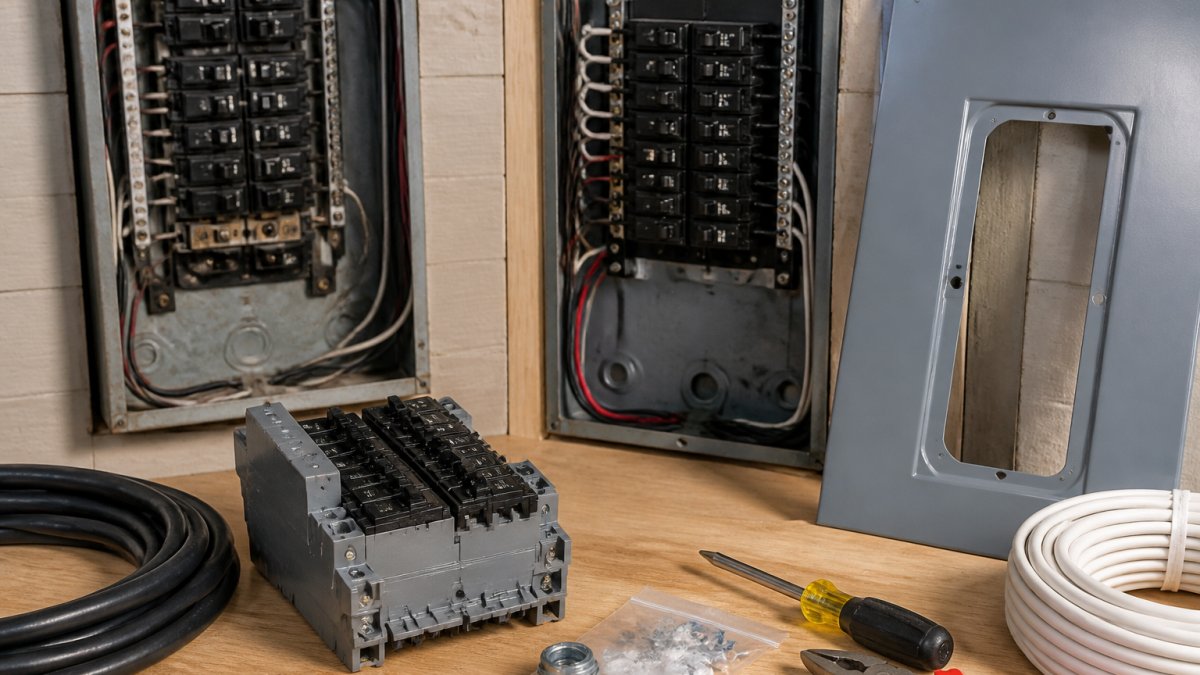
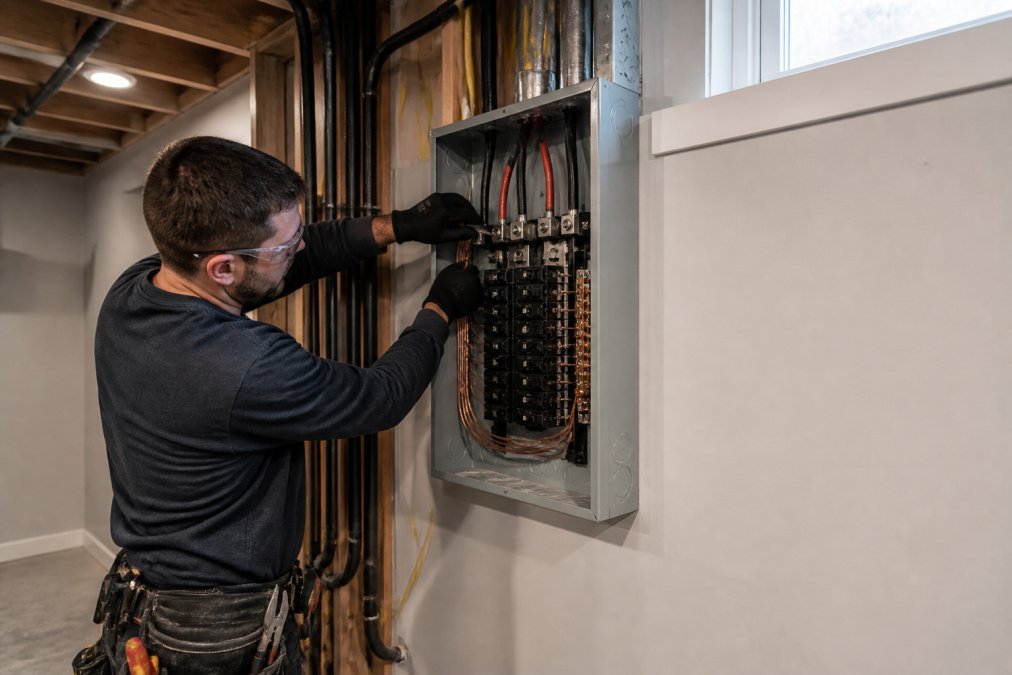
A sub-panel is a secondary breaker box that taps into your main panel and distributes power to a specific area or set of circuits. Think of it as a relay station. Your main panel feeds the sub-panel, and the sub-panel handles the circuits in that zone.
This is the most common alternative to full replacement, and for good reason: it works. A sub-panel adds additional circuit capacity without replacing your entire electrical infrastructure. You're not upgrading the main service, you're extending the distribution network downstream.
How Sub-Panels Distribute Electrical Load
A sub-panel receives power from a dedicated breaker in your main panel through a heavy-gauge wire run (usually 2-4 gauge copper, depending on amperage). That breaker acts as the main disconnect for the sub-panel circuit. Inside the sub-panel, you have a smaller bus bar and additional breaker slots for new circuits.
The key advantage: you're not limited by the slot count in your main panel anymore. If your main panel is full but you still have available amperage, a sub-panel lets you add circuits without replacing the main box. The electrical load distribution shifts, some circuits run from the main panel, others from the sub-panel, but your total service capacity stays the same.
This approach works because most homes don't actually max out their total amperage. A 200-amp service is plenty for most residential loads, even with modern appliances. The problem is usually that the original panel design didn't anticipate EV chargers, heat pumps, or updated kitchen equipment.
When a Sub-Panel Makes Sense
A sub-panel is your answer if:
- Your main panel is physically full (no available breaker slots)
- You still have amperage available in your total service capacity
- You're adding circuits to a specific area (garage, addition, workshop, EV charging station)
- You want to avoid the cost and disruption of a full service upgrade
- The new load is significant but not so large that it exceeds your main service capacity
Sub-panels are ideal for garages, workshops, new additions, and dedicated high-draw equipment like EV chargers or heat pumps. They're also practical when you're renovating one section of your home and want to isolate those circuits from the rest of the electrical system.
The installation timeline depends on wire run length and existing infrastructure. Your electrician runs a feeder cable from the main panel to the sub-panel location, installs the sub-panel, and then adds new circuits as needed. The utility company typically doesn't need to get involved, as this is generally interior work.
Electrical Safety Inspection and Panel Rejuvenation
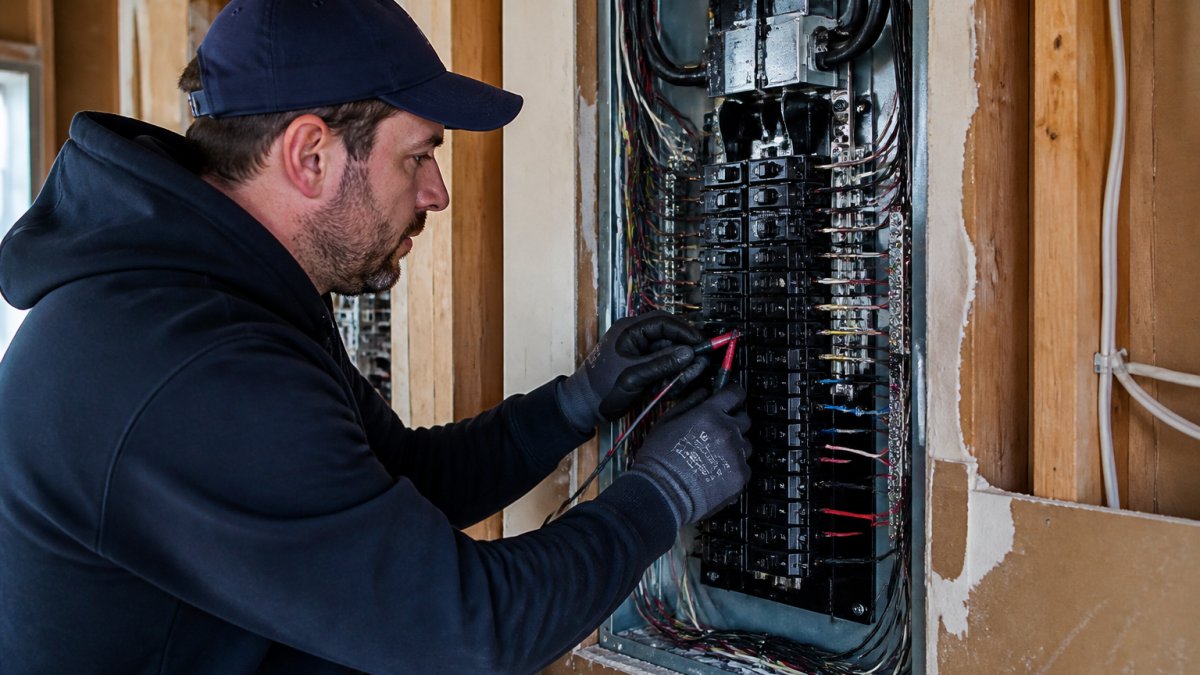
Not every panel problem requires adding capacity. Some older panels are electrically sound but mechanically unreliable. They trip frequently, connections loosen over time, or the breakers themselves are worn out. This is where panel rejuvenation comes in.
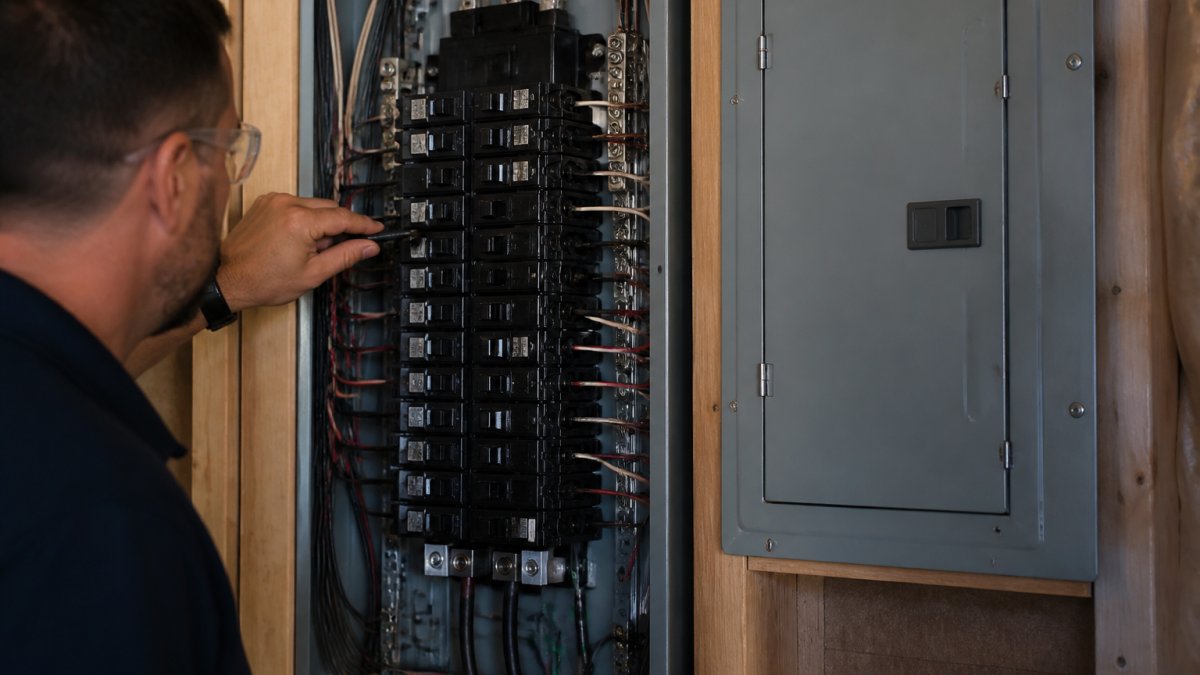
A thorough electrical safety inspection reveals whether your panel is suffering from age-related wear versus genuine capacity constraints.
What Panel Rejuvenation Involves
Panel rejuvenation is a maintenance-focused service that restores an aging panel to reliable operation without replacing it. The work includes:
- Replacing outdated or faulty breakers with modern equivalents
- Cleaning corrosion and oxidation from the bus bars and terminals
- Tightening all electrical connections that may have loosened over time
- Verifying that the panel meets current safety standards
Circuit Breaker Replacement and Upgrades
Sometimes the solution is even simpler: replace individual breakers with modern safety-enhanced versions.
Modern Breaker Options: AFCI and GFCI Protection
AFCI breakers detect dangerous arcing conditions that can start electrical fires. They're now required by code in most living spaces, bedrooms, and kitchen areas. GFCI breakers protect against ground faults, situations where electricity takes an unintended path to ground, typically through water or a person. They're essential in bathrooms, kitchens, and outdoor circuits.
Understanding Electrical Panel Capacity and Load Management
Total electrical capacity is measured in amps. A 100-amp service means your main breaker is rated for 100 amps total. A 200-amp service handles 200 amps. The National Electrical Code (NEC) specifies how much of that capacity you can actually use for continuous loads, typically 80% of your main breaker rating.
Smart Load Management Systems
Smart load management systems represent a newer approach to the capacity problem. These devices monitor your electrical usage in real time and automatically shed lower-priority loads when demand threatens to exceed your service capacity.
Meter Socket Adapters for High-Draw Equipment
A meter socket adapter (MSA) is a specialized device that installs between your utility meter and the meter socket, providing power for new equipment without touching your main panel.
When You Still Need a Full Panel Replacement
Some situations genuinely demand a full service upgrade. You need a new main panel if:
- Your total service capacity is insufficient for your actual electrical needs
- Your main breaker is at or near its maximum rating, and you need to add significant new loads
- Your panel is damaged, unsafe, or contains obsolete components that can't be safely repaired
- You're adding multiple high-draw appliances (EV charger, heat pump, and electric range, for example)
- Your home has knob-and-tube wiring or other outdated electrical infrastructure that requires comprehensive upgrades
Choosing the Right Solution for Your Home
The decision tree is straightforward if you understand the distinction between slot availability and amperage capacity.
From there, the options become clear:
- Slot problem only: Sub-panel or breaker replacement
- Capacity problem only: Full service upgrade (no workaround available)
- Aging but adequate panel: Panel rejuvenation
- Safety upgrade needed: AFCI/GFCI breaker replacement
- Peak demand spikes: Smart load management system
- High-draw equipment, full panel, full capacity: Meter socket adapter (if your utility allows it)
| Situation | Best Solution | Why It Works | Typical Timeline |
|---|---|---|---|
| Full panel, adequate capacity | Sub-panel | Adds circuit slots without upgrading main service | 1-2 days |
| Aging panel, adequate capacity | Panel rejuvenation | Restores reliability without replacement | 1 day |
| Missing safety features | Breaker upgrade | Adds AFCI/GFCI protection to existing slots | Few hours |
| Peak demand spikes | Smart management | Prevents trips without infrastructure changes | 1 day |
| Full panel, full capacity | Meter socket adapter | Bypasses main panel for specific equipment | 1-2 days |
| Insufficient main capacity | Full replacement | Only permanent solution for undersized service | 3-5 days |
Frequently Asked Questions
Can I add a sub-panel instead of replacing my main electrical panel?
Yes. A sub-panel installation is often the most practical solution when your main panel lacks available circuit slots but has sufficient amperage. The sub-panel connects to a breaker in your main panel and distributes power to specific areas or new appliances. This approach avoids the disruption and expense of a full replacement while giving you the additional circuits you need for home additions, garages, or new equipment like EV chargers.
Does adding a sub-panel increase electrical capacity?
A sub-panel adds circuit capacity (more breaker slots) but does not increase your overall electrical service amperage. If your home has a 100-amp service, a sub-panel still operates within that 100-amp limit. If your actual power demand exceeds your service capacity, a sub-panel alone won't solve the problem. A licensed electrician can perform a load calculation to determine whether your existing service amperage is sufficient for your needs.
What are the signs that an electrical panel must be replaced?
Your panel needs replacement if it uses outdated fuse boxes, contains knob-and-tube wiring, shows signs of corrosion or burn marks, frequently trips the main breaker, or if a licensed inspector identifies safety hazards. Panels over 40 years old or those with recurring nuisance tripping may also warrant replacement. An electrical safety inspection will determine whether rejuvenation, upgrades, or full replacement is necessary for code compliance and fire safety.
Can circuit breakers be replaced individually to avoid a full panel swap?
Yes. If your panel is structurally sound but has faulty or outdated breakers, individual circuit breaker replacement is a cost-effective alternative. Modern breakers with AFCI (Arc Fault Circuit Interrupter) and GFCI (Ground Fault Circuit Interrupter) protection meet current NEC code requirements and enhance safety. A qualified electrician can assess which breakers need upgrading and perform the work without disturbing your entire electrical infrastructure.