 listicle
5 Best Electrical Panel Brands for Residential Use
Table of Contents
- Why Electrical Panel Brand Matters for Your Home
- Electrical Panel Brands Quick Comparison
- 1. Square D: The Value-Focused Choice
- 2. Eaton: Reliability and Availability
- 3. Siemens: Performance and Features
- 4. Leviton: Smart Panel Integration
- How to Choose an Electrical Panel for Your House
- Outdated Electrical Panel Warning Signs
- Frequently Asked Questions
Last Updated: October 7, 2026
Why Electrical Panel Brand Matters for Your Home
An electrical panel is the hub of your home's power distribution, receiving electricity from the utility and routing it through circuit breakers to different areas of your house.
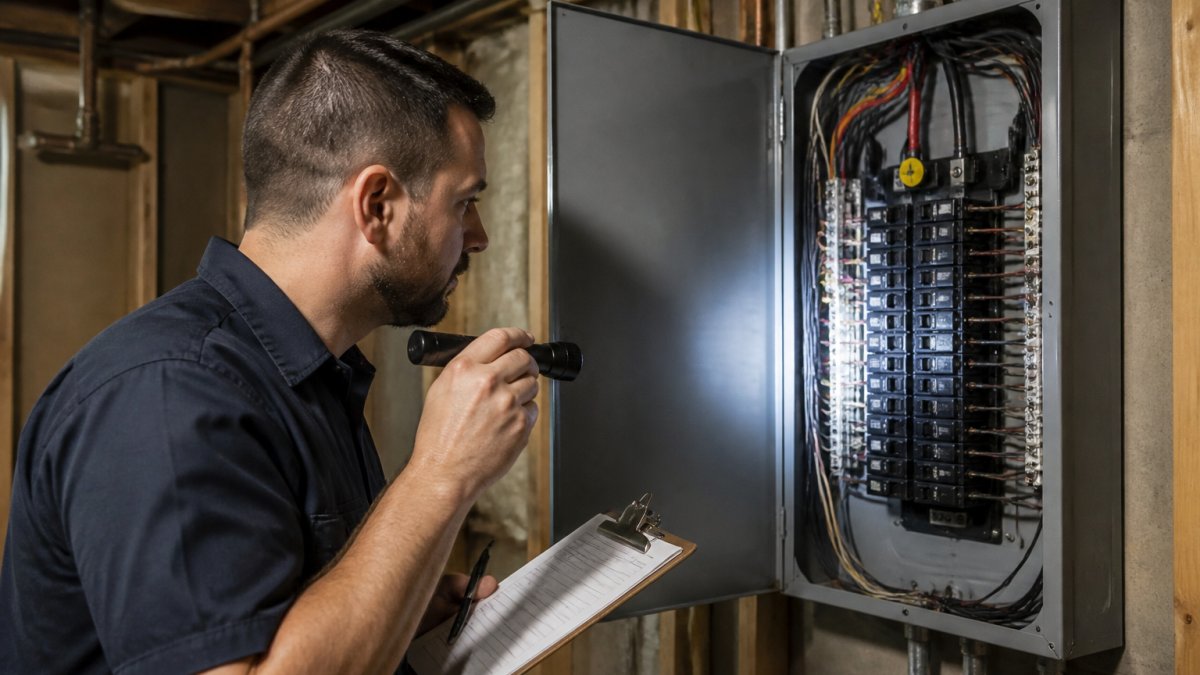
At BEARS Electric, we work with homeowners across Bristol, Waterbury, Farmington, and throughout central Connecticut to assess, upgrade, and replace electrical panels. The wrong choice limits future capacity; the right brand, properly installed, gives you flexibility for years.
Your panel's amperage rating, circuit capacity, and breaker compatibility determine whether you can safely add an EV charger, generator, or kitchen renovation without running out of circuits. This guide breaks down the best electrical panel brands for residential use.
Electrical Panel Brands Quick Comparison
| Brand | Best For | Key Strength | Common Use |
|---|---|---|---|
| Square D | Budget-conscious homeowners | Affordable, widely available | Standard residential panels |
| Eaton | Reliability and availability | Consistent performance | New construction and upgrades |
| Siemens | Performance-focused upgrades | Advanced features | Homes needing modern capacity |
| Leviton | Smart home integration | Energy monitoring capability | Tech-forward homes |
1. Square D: The Value-Focused Choice
Square D Homeline is the go-to electrical panel brand for homeowners who want dependable performance without premium pricing, delivering solid circuit protection in a compact footprint for homes in the 100-200 amp range.
What makes Square D a popular choice is availability: Homeline breakers are stocked at many electrical supply houses and big-box retailers across Connecticut, so you're not waiting on a special order. They install easily and integrate well with standard residential wiring.
The tradeoff: Square D lacks the advanced smart-panel features of newer competitors. If you're upgrading from a 60-amp or 100-amp panel, Homeline gives you a modern, code-compliant replacement without unnecessary bells and whistles, often a practical option in Plainville, Unionville, or Southington.
2. Eaton: Reliability and Availability
Eaton residential panels are built for consistency, earning a reputation for reliable performance.
Eaton panels come in multiple amperage ratings and handle modern home loads. Replacement breakers are readily available, and many central Connecticut electricians work with Eaton because parts are in stock and installation is straightforward.
Eaton focuses on residential-grade reliability: not overengineered, but built to last decades of normal home use. If you're replacing an aging panel in New Britain, Meriden, or Rocky Hill, Eaton offers a proven path forward without complexity.
The main limitation: Eaton panels don't include built-in energy monitoring or smart features, they distribute power safely and reliably but don't integrate with home automation systems.
3. Siemens: Performance and Features
Siemens residential panels bring more advanced capabilities. The SN Series load center suits homes needing higher circuit capacity or planning significant loads like EV chargers, heat pumps, or whole-home backup systems.
Siemens panels typically offer more circuit positions and good load distribution.
Breaker compatibility is broad with Siemens, and the design accommodates future additions. Installation is straightforward for electricians familiar with modern panelboards, though the initial cost is typically higher than some other brands.
Siemens doesn't offer native smart-panel features either, but the architecture supports adding monitoring later, a good middle ground for homeowners who want performance and flexibility without committing to a fully smart system.
4. Leviton: Smart Panel Integration
Leviton offers smart electrical panel technology. Their panels include built-in energy monitoring, letting you track power consumption by circuit and identify energy use in real time.
Smart panels appeal to homeowners in Bristol, Wallingford, and Glastonbury serious about energy efficiency or planning solar and battery backup.
The tradeoff is cost and complexity. Smart panels require professional installation and setup, and monitoring depends on a stable internet connection.
Installation is typically more involved than traditional panels, and not every electrician has experience with Leviton's smart systems. BEARS Electric can handle Leviton installations for homeowners in central Connecticut who want monitoring and control capabilities.
How to Choose an Electrical Panel for Your House
Picking the right electrical panel brand comes down to three factors: your home's current electrical load, your upgrade plans, and your budget.
Assess Your Home's Electrical Load
Your panel must handle the total demand of all circuits running at once. Older homes often have 60-amp or 100-amp panels, inadequate for modern appliances, heating systems, and technologies like EV chargers.
To assess your load, look at your panel's main breaker, it's labeled with the amperage rating (100 amps, 150 amps, 200 amps, and so on).
Many homes built before 2000 need a panel upgrade to safely support modern demands.
Work with an electrician to calculate your actual load: they'll add up the amperage of all circuits you plan to run simultaneously, then recommend a panel size with adequate capacity.
Check Electrical Panel Brand Compatibility with Existing Wiring
Not all electrical panel brands work with all existing breakers. Before choosing a brand, verify that the breakers you have, or plan to use, are compatible.
Square D Homeline breakers work in Square D panels, Eaton breakers fit Eaton panels, and Siemens breakers are Siemens-specific. If you want to reuse existing breakers, match the panel brand to them, or budget for replacing all breakers during the upgrade.
Some electricians advise replacing all breakers during a panel upgrade for safety and consistency, often a safe approach in older homes where breaker quality is uncertain.
Outdated Electrical Panel Warning Signs
Many homeowners don't think about their electrical panel until something goes wrong, and panel failures can occur without obvious warning signs, they can smolder, corrode, and loosen over years before causing a fire or a dead circuit. Knowing what to look for can be the difference between a planned upgrade and an emergency replacement.
Warning Signs You Can See and Smell
Frequent breaker trips. A breaker that trips once during a heat wave is doing its job.
Burning or acrid smell near the panel. This is the one sign you don't wait on.
Visible rust, corrosion, or moisture. Corrosion on breakers, bus bars, or the enclosure interior means the panel has been exposed to moisture, often from a roof leak, basement humidity, or a poorly sealed service entrance.
Flickering lights across multiple rooms. A single flickering fixture is usually a bulb or fixture problem.
Buzzing or crackling from the panel. A panel should be silent. Buzzing usually means a loose breaker or failing connection; crackling or popping is arcing, and arcing is how electrical fires start.
Panel Types With Known Safety Concerns
Some panel designs have a documented history of failure modes that make them a replacement priority regardless of how they look.
Federal Pacific Electric (FPE) Stab-Lok panels were installed in large numbers from the 1950s through the early 1980s. Stab-Lok breakers have been reported to fail to trip under overload, the one thing a breaker exists to do, and FPE panels are frequently found with bus-bar and breaker-fit issues (Commission Closes Investigation Of FPE Circuit Breakers And Provides Safety Information...).
Zinsco panels (and later Sylvania-Zinsco versions) have a similar reputation. Zinsco breakers are known for failing to trip and for poor bus-bar contact that leads to overheating at the breaker.
Pushmatic panels are older still and use a bolt-on breaker design that's difficult to source replacements for.
If your home in Waterbury, Meriden, New Britain, or Hamden has one of these panel types, the question isn't whether to replace it, it's how soon. A qualified electrician can confirm the type from the label and advise on priority.
What an Electrical Panel Inspection Actually Covers
A panel inspection is more than a visual glance. When an electrician evaluates a panel, the process typically includes:
- Reading the panel label to confirm the manufacturer, model, bus-bar rating, and listed breaker types.
- Removing the dead front (with the main breaker off) to inspect bus bars, breaker terminations, and main lugs for heat damage, corrosion, or loose connections.
- Checking breaker torque on terminations, loose terminations are a leading cause of panel overheating.
- Testing grounding and bonding, including the grounding electrode conductor and neutral-ground bond location.
- Verifying the main breaker rating against the service entrance conductors and meter base.
- Looking for double-tapped breakers (two wires under one terminal), a common code violation and fire risk in older panels.
- Checking for signs of arcing, blackened spots, pitting on bus stabs, or melted insulation.
- Confirming GFCI and AFCI protection where code requires it, especially kitchens, baths, garages, and bedrooms.
A thorough inspection takes time and requires the panel to be de-energized for parts of it, not something a home inspector's 30-second walkthrough look substitutes for.
Age, Service Life, and When to Stop Waiting
Residential panels don't have a hard expiration date, but many have a practical service life of 25 to 40 years. Breakers have a rated number of operations, and bus bars can degrade with heat cycling. A 30-year-old panel that's still working isn't necessarily safe, it just hasn't failed yet.
The decision point is usually one of these:
- The panel is 30+ years old and you're planning any significant electrical work (EV charger, heat pump, addition, kitchen remodel, generator).
- The panel is a known-concern type (FPE, Zinsco, Pushmatic).
- The panel is out of spaces or out of amperage for what you need.
- The panel shows any of the physical warning signs above.
- You're buying or selling a home and the inspection flagged the panel.
In any of those cases, an evaluation by a licensed electrician is the right next step. In homes across Bristol, Farmington, Southington, Torrington, and the surrounding towns, panel age and panel type can often push a homeowner from "someday" to "this year."
Why This Matters More Than Brand Choice
You can pick the best panel brand on the market and still have an unsafe installation if the existing panel is a known-concern type, the service entrance is undersized, or the grounding and bonding aren't correct. Brand is the last decision in the process, not the first, the first is whether the panel you have now is safe and adequate. Everything else follows.
Frequently Asked Questions
What is considered an outdated electrical panel?
Outdated electrical panels are typically 30+ years old, use fuses instead of circuit breakers, have a capacity under 100 amps, or show signs of corrosion, rust, or burn marks. Federal Pacific Electric (FPE) and Zinsco panels are known safety hazards. If your electrical panel shows any of these signs, have a licensed electrician inspect it. Upgrading ensures your home meets current electrical code and safely handles modern appliance loads.
How do I choose the right electrical panel for my home?
Start by calculating your home's total electrical load, consider all appliances, HVAC systems, and future additions like EV chargers or heat pumps. Many modern homes need 150-200 amps. Next, verify compatibility with your home's existing wiring and breaker types. Check local electrical code requirements and get quotes from licensed electricians in your area. Consider whether you want smart-panel features for energy monitoring. A professional can assess your needs and recommend the best fit.
Are all circuit breakers compatible with every electrical panel?
No, circuit breakers are not universally compatible. Each electrical panel brand uses proprietary breaker designs. Square D breakers fit Square D panels, Siemens breakers fit Siemens panels, and so on. Mixing brands can create safety hazards and code violations. Always verify breaker compatibility before purchasing replacements. Your electrician will ensure the correct breaker type is installed for your specific panel model and electrical code requirements.
When should a residential electrical panel be replaced?
Replace your electrical panel if it's over 30 years old, shows corrosion or damage, frequently trips breakers, has a capacity under 100 amps, uses outdated technology like fuses, or if you're adding major loads (EV charger, heat pump, solar). Upgrading to a higher-amp panel (150-200 amps) supports modern electrical demands. A licensed electrician can evaluate your panel and recommend replacement timing based on safety, code compliance, and your home's future needs.