 how-to
Avoiding Hidden Fees for Electrical Repairs
Table of Contents
- Why Hidden Fees Happen in Electrical Work
- Common Hidden Costs Electricians Don't Always Mention Upfront
- Understanding Electrical Labor vs Material Costs
- Red Flags in Electrical Contractor Quotes
- Questions to Ask an Electrician Before Hiring
- How to Request a Transparent Quote and Written Agreement
- The Cost of Ignoring Electrical Issues
- Conclusion
- Frequently Asked Questions
Last Updated: September 2, 2026
Why Hidden Fees Happen in Electrical Work
Electrical projects rarely cost what homeowners expect them to. A simple outlet replacement quoted at one price balloons into something entirely different when the invoice arrives. The gap between estimate and final bill is where hidden fees live, and they're rarely accidental.
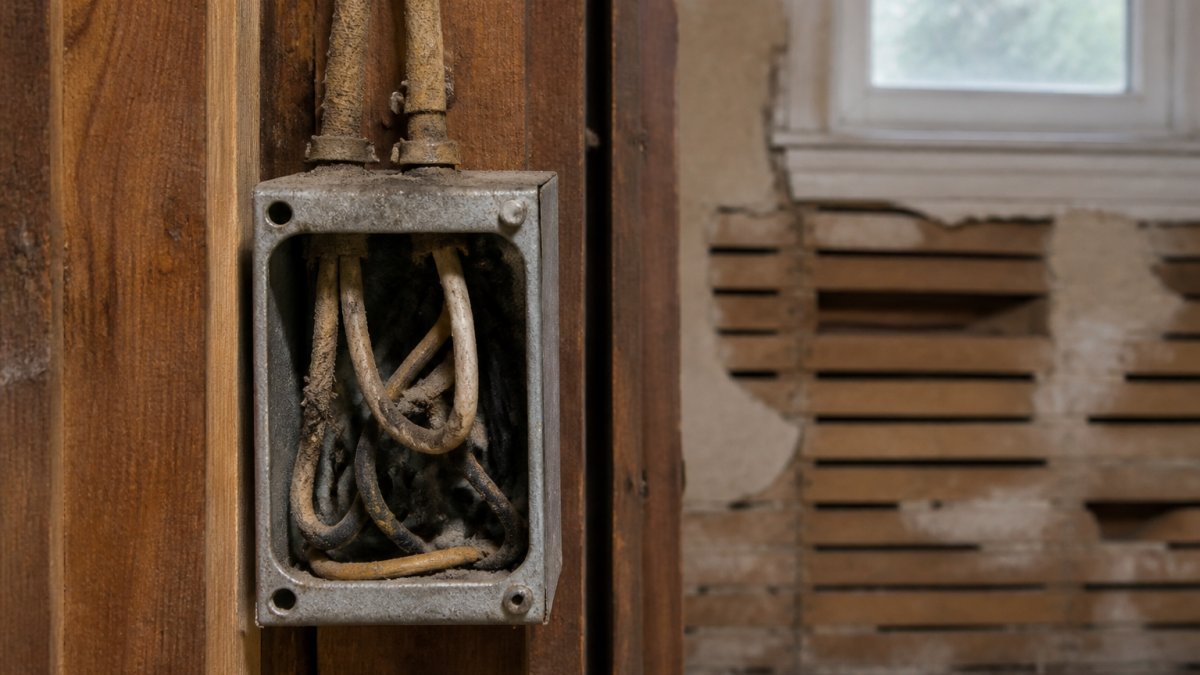
Contractors face genuine uncertainties. They can't always know what's behind your walls until they start looking. A straightforward rewiring job becomes complex when they discover outdated wiring that needs remediation. An outlet installation uncovers code violations requiring panel upgrades. These discoveries are real, but how they're communicated, and priced, separates transparent contractors from those who bury costs.
At BEARS Electric, we've seen homeowners burned by surprise charges so often that avoiding hidden fees for electrical repairs has become a core part of how we operate. The problem isn't that costs change; it's that many contractors don't explain why or give you a chance to decide before proceeding.
The real issue is information asymmetry. You don't know what's normal to charge for. You don't know which fees are legitimate and which are padding. Contractors count on that gap.
Common Hidden Costs Electricians Don't Always Mention Upfront
Service Call and Discovery Fees
Many electricians charge a service call fee just to show up and assess your problem. This ranges from a modest diagnostic charge to a significant upfront cost that may or may not apply to your final bill depending on the contractor's policy.
The confusion starts here. Some contractors waive the service call fee if you hire them. Others don't. Some apply it toward your final cost. Others keep it regardless. Before scheduling, ask directly: "Is there a service call fee, and if I hire you, does it reduce my final bill?" Get the answer in writing or via email so you have documentation.
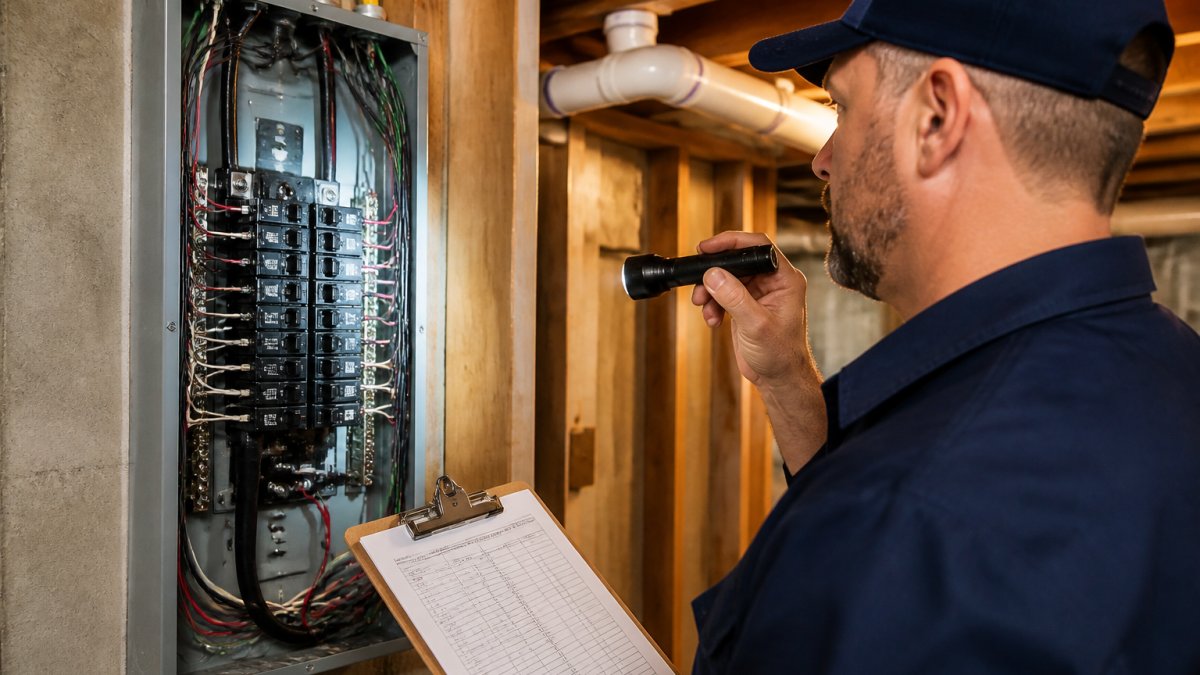
Discovery fees are different. Once work begins, electricians sometimes uncover problems that weren't visible during the initial assessment. A wall cavity might contain damaged wiring. An outlet box might be installed incorrectly. These are real discoveries, but they should trigger a conversation, not a surprise charge. A transparent contractor stops work, shows you the problem, explains the cost to fix it, and waits for your approval before proceeding.
Emergency Call-Out and After-Hours Charges
Electrical emergencies don't respect business hours. A burning smell from an outlet at 11 p.m. or a complete power loss on Sunday afternoon forces you into emergency territory. Many contractors charge significantly higher rates for after-hours service, sometimes double or triple the standard rate.
These charges are legitimate. After-hours work requires electricians to be on call, disrupts their schedule, and often means overtime pay. But the amount varies wildly. Some contractors charge a reasonable premium; others use emergencies as an opportunity to maximize revenue per hour.
Before you have an emergency, ask what after-hours rates look like. Get it in writing. Then, if an actual emergency occurs, you won't be shocked. You'll also know whether to attempt temporary measures (like turning off a breaker) to wait for business hours, or whether the situation truly demands immediate attention.
Permit and Inspection Fees
Electrical work typically requires permits, and permits require inspections. These are regulatory requirements, not contractor choices. But permit and inspection fees are often presented vaguely, as if they're a single line item when they're actually multiple costs.
A permit fee covers the cost of the permit itself. An inspection fee covers the inspector's time. Some jurisdictions charge both separately. Some bundle them. Some charge additional fees for expedited permits or re-inspections if work fails the first inspection.
Ask your contractor to break down permit and inspection costs separately. Understand which fees go to the municipality and which go to the contractor. Some contractors mark up permit fees as a handling charge, this is standard, but you should know it's happening. A transparent breakdown looks like: "Permit fee (municipality), inspection fee (municipality), contractor handling."
Material Markup and Supply Costs
Contractors buy materials and mark them up. This is how they make money on parts. But the markup varies dramatically, and many contractors don't disclose it.
A typical markup ranges from 20% to 50% above the contractor's cost. Some contractors charge more. A few charge less. The problem is that you often don't know what the contractor paid, so you can't evaluate whether the markup is reasonable.
Ask for an itemized materials list with quantities. Then, if you're skeptical, you can research what those materials actually cost at a supply house. You won't know the contractor's exact cost, but you'll get a sense of whether the final price is in the ballpark. A contractor who refuses to itemize materials or gets defensive about markup is a red flag.
Some contractors also charge a supply fee or trip charge for acquiring materials. This is legitimate if you're being told about it upfront, but it's often buried or mentioned casually. A supply fee should be disclosed clearly.
Understanding Electrical Labor vs Material Costs
Electrical work is primarily labor. Materials are usually a smaller portion of the total bill. Understanding this split helps you evaluate whether a quote makes sense.
Labor costs depend on complexity, time, and the electrician's experience level. A simple outlet installation might take 30 minutes. A panel upgrade might take a full day or more. Electricians typically charge hourly rates or fixed prices for specific jobs. Hourly rates vary based on local market conditions and the electrician's experience.
Materials are usually straightforward: wire, outlets, breakers, conduit, and miscellaneous hardware. The cost is what the contractor pays plus their markup. Material costs are often more predictable than labor costs because they're based on actual product prices.
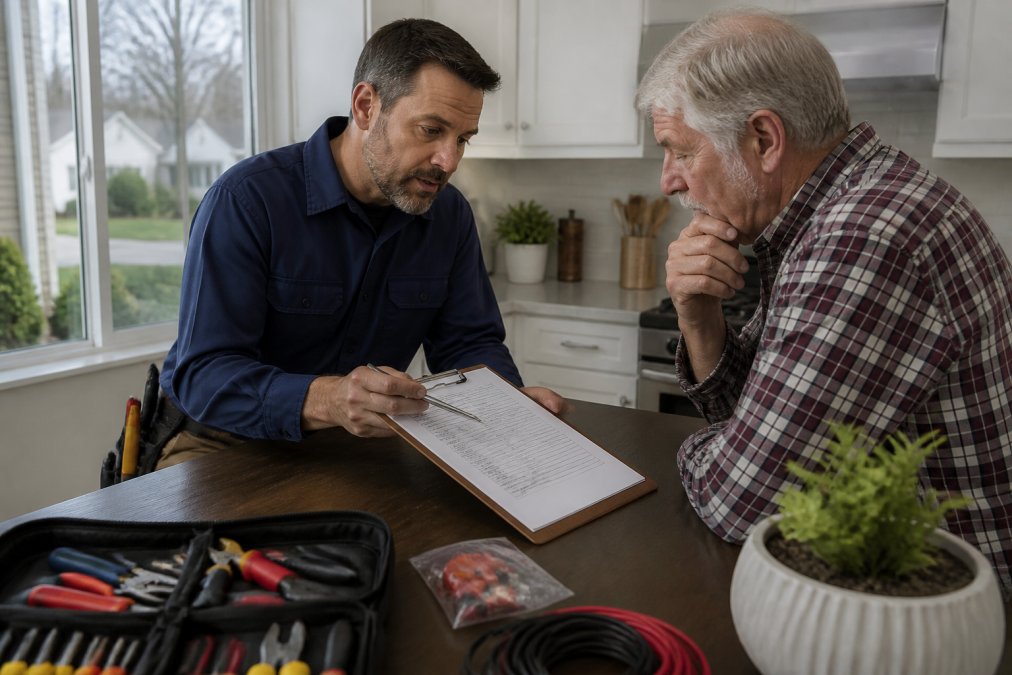
When you get a quote, ask for the labor and material breakdown. A good quote shows you how many hours of labor are estimated and what materials are included. This transparency lets you see where your money is going. If a quote lumps everything together as a single price with no breakdown, that's a warning sign.
The cost of ignoring this distinction is that you can't evaluate whether a quote is reasonable. You can't comparison shop effectively. You can't spot padding. Breaking down labor and materials gives you the information you need to make an informed decision.
Red Flags in Electrical Contractor Quotes
Not all red flags mean a contractor is dishonest, but they're worth investigating. Some indicate inexperience or poor communication. Others suggest you should look elsewhere.
A vague quote with no itemization is the biggest red flag. If a contractor gives you a single number with no breakdown of what's included, you have no way to evaluate it. Ask for details. If they won't provide them, move on.
A quote that's significantly lower than others might indicate the contractor is underestimating the work or planning to make money through change orders. A quote that's significantly higher might indicate padding or inexperience. Get multiple quotes, typically three, and look for the middle ground.
Verbal quotes with no written documentation are risky. Contractors might forget what they said. You might misremember. Get everything in writing, even if it's just an email confirming the conversation.
Contractors who pressure you to decide immediately are concerning. Legitimate electrical work doesn't require snap decisions. A contractor who says "I can only hold this price for 24 hours" or "I need a deposit right now to schedule" is using pressure tactics that often precede poor service or hidden fees.
A contractor who guarantees a specific final price without a detailed scope of work is making a promise they can't keep if problems are discovered. Guarantees are good, but only if they're conditional on the scope staying as described.
Questions to Ask an Electrician Before Hiring
The right questions protect you before work begins. Ask these during your initial consultation or in writing before you commit.
"What's included in your estimate, and what isn't?" This clarifies the scope. A good answer specifies exactly what work will be done, what materials are included, and what's outside the estimate.
"If you discover problems during the work, how do you handle it?" This is critical. A professional contractor explains that they'll stop work, show you the problem, provide a revised estimate, and wait for approval before proceeding. If a contractor says they'll just fix it and bill you later, that's a problem.

"Are you licensed and insured?" This isn't optional. A licensed electrician has met training requirements and passed exams. Insurance protects you if something goes wrong. Ask to see their license and insurance certificate.
"What's your warranty on the work?" Workmanship warranties protect you if something fails shortly after installation. A typical warranty is one year, but it varies (the American Dental Association). Get the warranty terms in writing.
"How long will this take?" This helps you plan and also gives you a baseline for evaluating the final timeline. If work takes significantly longer than estimated, ask why.
"What's your payment schedule?" Some contractors want full payment upfront. Others want a deposit and final payment on completion. Some want progress payments for longer jobs. Understand the terms before you hire.
"Are you familiar with current code requirements?" Electrical code changes periodically. An electrician who stays current knows what's required. One who doesn't might do work that passes inspection today but becomes non-compliant later.
How to Request a Transparent Quote and Written Agreement
Getting a transparent quote requires being specific about what you want and following up on anything unclear.
Start with a detailed description of the work. Don't just say "I need some outlets installed." Say "I need four new outlets installed in the kitchen, two on the countertop and two under the sink, with GFCI protection." The more specific you are, the more accurate the quote will be.
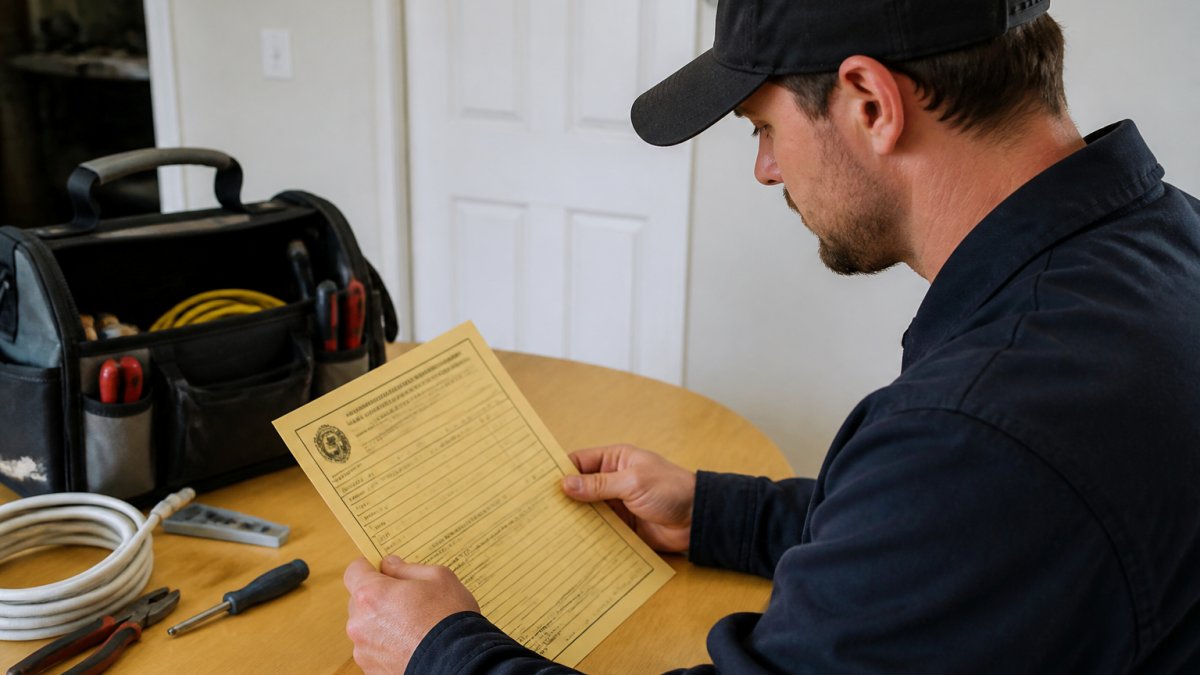
Ask for the quote in writing. Email is fine. A written quote is a document you can reference later and compare to the final invoice. It's also proof of what was promised.
When you receive the quote, read it carefully. Look for itemization. Look for clarity. If something is unclear, ask. If the quote says "electrical work: $X," that's not clear enough. Push for detail.
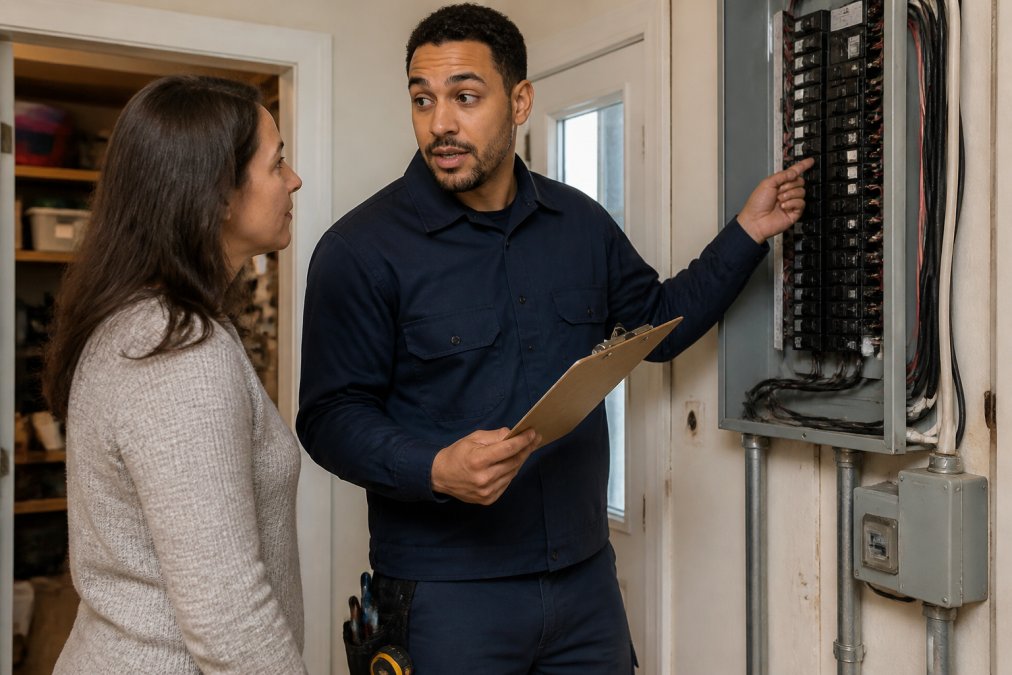
A transparent quote includes:
- Detailed description of work to be performed
- List of materials with quantities
- Labor estimate (hours or fixed price)
- Material costs with markup disclosed
- Permit and inspection fees separated out
- Any service call or discovery fees explained
- Timeline for completion
- Warranty terms
- Payment schedule
- Conditions under which the price might change
Before you sign anything, make sure you understand the terms. If the contractor discovers additional work needed, what happens? Does the price change? Do you have to approve the additional work in writing?
A written agreement protects both you and the contractor. It clarifies expectations and reduces misunderstandings. Contractors who resist putting things in writing are contractors to avoid.
The Cost of Ignoring Electrical Issues
Electrical problems don't fix themselves. They get worse. And worse electrical problems cost more to fix than the original issue would have.
A flickering light might seem minor, but it could indicate a loose connection, which is a fire hazard. A burning smell from an outlet is a warning sign that something is seriously wrong. An outlet that doesn't work might mean a tripped breaker, or it might mean damaged wiring (the CDC). You can't know without investigation.
Ignoring these issues risks your home's safety and your wallet. Electrical fires start in walls where you can't see them (fema.gov). By the time you notice the problem, significant damage might already be done. Fixing fire damage costs vastly more than fixing the original electrical problem.
Outdated wiring in older homes becomes increasingly dangerous as you add modern devices and higher electrical loads. A 100-amp panel that was adequate in 1980 might be inadequate today. Overloaded circuits create heat, which creates fire risk. Upgrading the panel costs money, but having an electrical fire costs infinitely more.
Faulty wiring also causes power losses. Devices work poorly. Your electric bill climbs. The inefficiency compounds over time. Getting the wiring fixed eliminates the inefficiency and often pays for itself through lower energy bills.
The cost of ignoring electrical issues isn't just about immediate repair expenses. It's about safety, efficiency, and the risk of catastrophic damage. A small electrical problem addressed now costs far less than a major problem addressed later.
Conclusion
Avoiding hidden fees for electrical repairs comes down to information and communication. You need to understand what's being charged and why. Your contractor needs to explain clearly and get your approval before costs change.
Start by getting multiple quotes. Compare them carefully. Ask the questions that matter. Request written agreements. Verify licensing and insurance. These steps take time, but they protect you far more effectively than trying to negotiate after the fact.
BEARS Electric has spent over 12 years serving homeowners throughout Central Connecticut with transparent pricing and no hidden fees. Our commitment is to show you exactly what work needs to be done, what it costs, and why. We provide detailed written estimates, explain any discoveries during the work, and get your approval before proceeding. When you work with us, you know what you're paying for, no surprises, no padding, just honest electrical service.
Frequently Asked Questions
What are common examples of hidden fees in electrical repair quotes?
Hidden fees often include service call charges, discovery fees for diagnosing the problem, emergency call-out surcharges, permit and inspection costs, material markup premiums, and travel fees. Some contractors also charge for after-hours work or fail to disclose that certain repairs require code compliance upgrades. Always ask upfront what's included in the estimate and what costs might increase once work begins. A transparent electrician will break down labor, materials, permits, and any applicable fees in writing before starting the job.
What questions should I ask an electrician before they start work?
Ask whether the estimate includes labor, materials, permits, and inspections. Request clarification on hourly rates versus fixed-price quotes. Find out if there are discovery fees, emergency surcharges, or travel charges. Ask about their licensing and liability insurance. Inquire about the warranty on workmanship and materials. Request a detailed, itemized written estimate. Ask what happens if the scope of work changes during the project. Confirm the timeline and whether they offer same-day or emergency service. These questions help you understand the true cost and avoid surprises.
How can I identify red flags in an electrical contractor quote?
Red flags include vague estimates with no itemization, quotes that seem significantly lower than others without explanation, contractors who pressure you to decide immediately, lack of a written agreement, no mention of licensing or insurance, refusal to provide references, and quotes that don't specify what's included or excluded. Be wary of contractors who quote hourly rates without a not-to-exceed amount, or who won't explain material markups. Legitimate electricians provide transparent, detailed quotes, explain their pricing, and encourage you to ask questions before committing.
Why is it important to understand labor versus material costs separately?
Breaking down labor and material costs helps you identify where your money is going and spot potential overcharges. Labor typically covers the electrician's time, expertise, and overhead, while materials are the supplies and parts needed for the repair. Some contractors inflate material markups or hide labor costs in vague line items. Knowing the difference lets you compare quotes fairly, negotiate if prices seem high, and understand what you're paying for. A licensed electrician will provide this breakdown transparently and explain why certain materials or labor hours are necessary for code compliance and safety.
Get a free estimate from BEARS Electric today. Our team will assess your electrical needs, provide a detailed transparent quote, and answer all your questions about cost and timeline. Schedule your consultation now and experience the difference honest electrical service makes.
This article was written using GrandRanker