 how-to
What to Expect From an Electrical Inspection
Table of Contents
- What to Expect From an Electrical Inspection: A Complete Overview
- What Does an Electrical Inspection Include
- How Long Does an Electrical Inspection Take
- Electrical Inspection Preparation: Getting Your Home Ready
- Understanding Your Electrical Inspection Report
- Common Electrical Safety Hazards Inspectors Look For
- Next Steps After Your Electrical Inspection
- Frequently Asked Questions
Last Updated: October 12, 2026
What to Expect From an Electrical Inspection: A Complete Overview
An electrical inspection is a thorough evaluation of your home's electrical system to identify safety hazards and code violations.
The inspection covers everything from your main panel to individual outlets and switches, checking for visible damage, improper installations, and safety risks that could lead to fires or shocks.
Why homeowners need electrical inspections
Electrical problems often hide behind walls and inside panels, and an electrical inspection finds them before they become dangerous.
Common reasons homeowners schedule inspections include:
- Before buying a home, reveals existing problems so you can negotiate repairs
- Before selling a home, shows buyers your system is safe and up to code
- After a power outage or storm, checks for damage to wiring and components
An inspection can catch outdated wiring, overloaded circuits, or missing safety devices before they cause fires or shocks. Older homes in Waterbury, Meriden, and Berlin especially benefit because electrical codes have changed significantly over the decades.
Electrical inspection vs. general home inspection
A general home inspection covers your entire home, roof, foundation, plumbing, heating, and electrical, but the inspector only checks basic electrical safety.
An electrical inspection focuses only on your electrical system. A licensed electrician examines wiring, panels, outlets, and connections in detail, identifying hazards a general inspector might miss.
What Does an Electrical Inspection Include
An electrical inspection examines every part of your home's electrical system, checking for safety hazards, code violations, and components that may need repair or replacement:
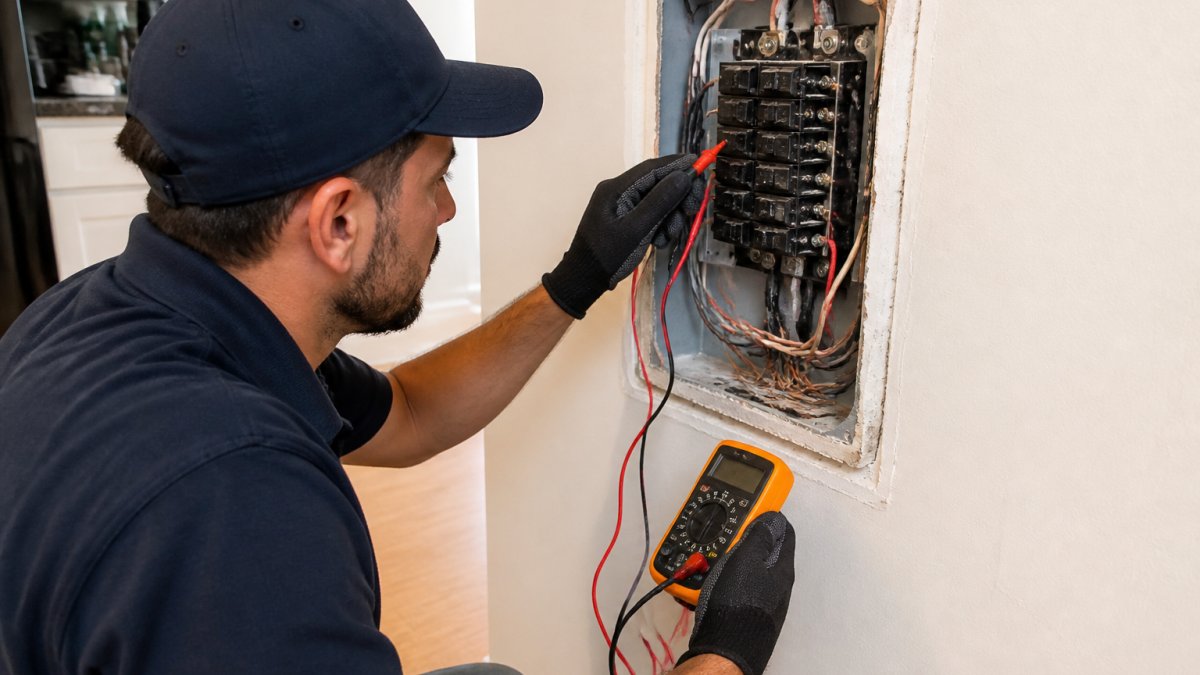
Electrical panel and circuit breaker assessment
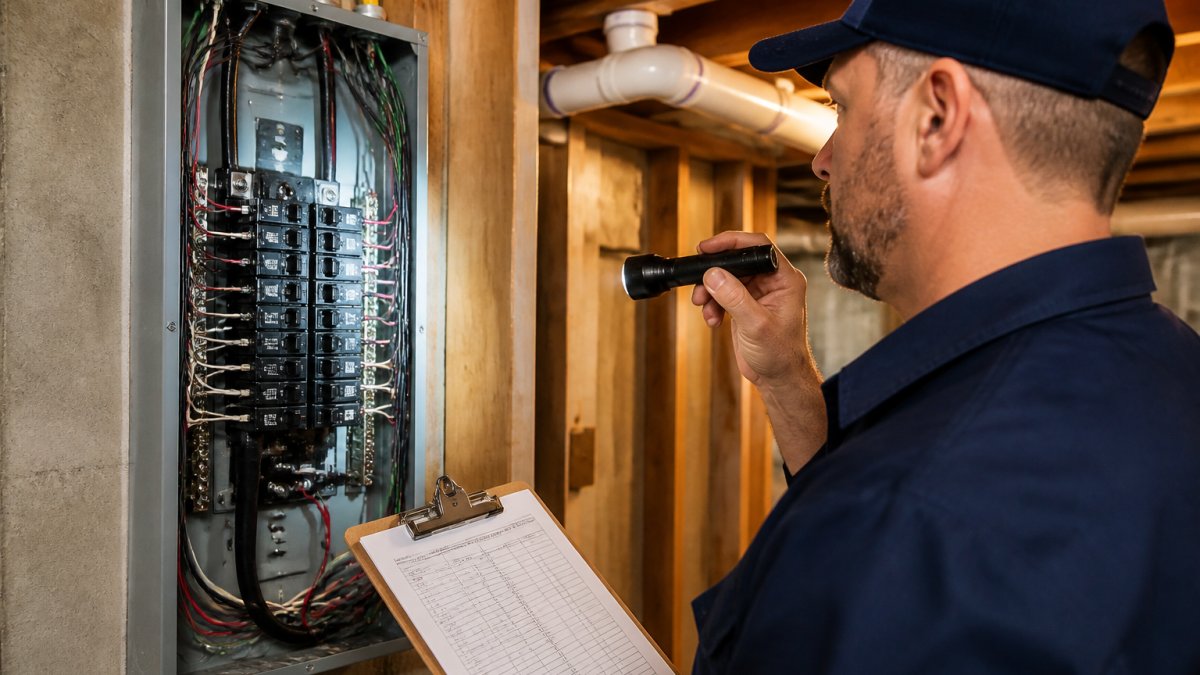
Your electrical panel is the metal box (usually in a basement, garage, or utility room) where power enters your home and gets distributed to different circuits.
During an inspection, the electrician checks:
- Panel condition, looks for rust, corrosion, or signs of damage
- Breaker operation, tests that breakers switch on and off properly
- Proper labeling, verifies each breaker is labeled so you know which circuit controls which areas
A common issue in older homes across Plainville, Southington, and Harwinton is an undersized panel. If your panel is only 60 or 100 amps but your home needs 150 or 200 amps (common with air conditioning, electric heating, and EV chargers), an upgrade may be necessary.
Wiring, outlets, switches, and connections
The inspector examines visible wiring and tests outlets and switches for:
- Wire type and condition, checks that wiring is appropriate for your home's age and use
- Exposed wiring, identifies any wiring that should be inside walls or conduit
- Outlet and switch function, tests outlets to ensure they're properly grounded and polarized
In homes throughout Wallingford, New Britain, and Farmington, inspectors often find outdated two-prong outlets (without grounding) that may need upgrading to three-prong grounded outlets for safety.
Grounding, bonding, and protective devices
Grounding and bonding protect you from shocks and fires. The inspector checks:
- Grounding electrode, verifies the system is properly connected to ground (usually a copper rod driven into the earth)
- Bonding connections, ensures metal parts of your system are electrically connected for safety
- AFCI protection, checks for arc fault circuit interrupter devices in bedrooms and living areas
These devices prevent electrical fires and reduce shock hazards. Homes in Cheshire, Canton, and Avon built before these protections became standard often need upgrades.
How Long Does an Electrical Inspection Take
An electrical inspection typically takes 1 to 3 hours, depending on your home's size and complexity.
Factors that affect inspection duration
Several factors determine how long your inspection takes:
- Home size, larger homes with more circuits and outlets take longer
- Home age, older homes may have outdated systems requiring more careful examination
- System complexity, homes with generators, EV chargers, or recent upgrades take additional time
A small 1,200-square-foot home might take 1 to 1.5 hours. A larger 3,000-square-foot home could take 2 to 3 hours or longer.
Power interruption and access requirements
Most inspections do NOT require shutting off power to your entire home. The inspector can test outlets and components safely without interrupting service, though some tests may require brief shutdowns to specific circuits.
Before your inspection, make sure:
- All areas of your home are accessible (attics, basements, crawl spaces, garages)
- Breaker panel area is clear and unobstructed
- You're home during the inspection to answer questions and provide access
If you have a basement, attic, or crawl space that's difficult to access, mention this when scheduling. Inspectors in Torrington, Naugatuck, and Middlebury often encounter limited attic access, which can extend inspection time.
Electrical Inspection Preparation: Getting Your Home Ready
Preparing for an electrical inspection takes little effort but makes the process smoother and faster.
Room-by-room preparation checklist
Before your inspector arrives, go through your home and prepare:
Basement or utility room:
- Clear space around the electrical panel (at least 3 feet)
- Remove boxes, tools, or stored items blocking access
- Ensure the panel door opens fully
Attic:
- Clear pathways so the inspector can safely walk
- Remove insulation or items covering wiring if possible
- Ensure there's adequate lighting or provide a flashlight
Bedrooms:
- Test all outlets to make sure they're working
- Note any outlets that don't work or seem loose
- Clear access to walls where wiring might be visible
Kitchen and bathrooms:
- Test outlets and note any that don't work
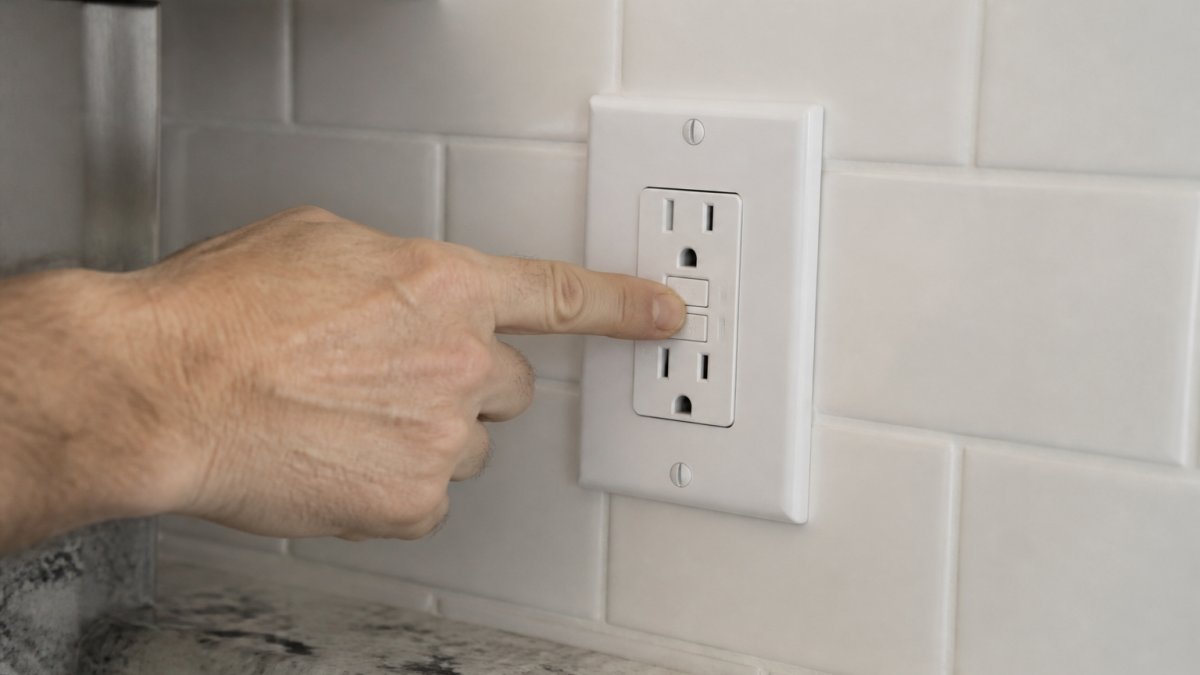
- Check that GFCI outlets are functioning (press the test button)
- Clear under sinks so the inspector can see connections
Garage and outdoor areas:
- Clear the area around the electrical meter
- Make sure outdoor outlets are accessible
- Remove items blocking the disconnect switch
Throughout the home:
- Turn on lights in all rooms so the inspector can see clearly
- Make a list of any electrical problems you've noticed (flickering lights, dead outlets, tripping breakers)
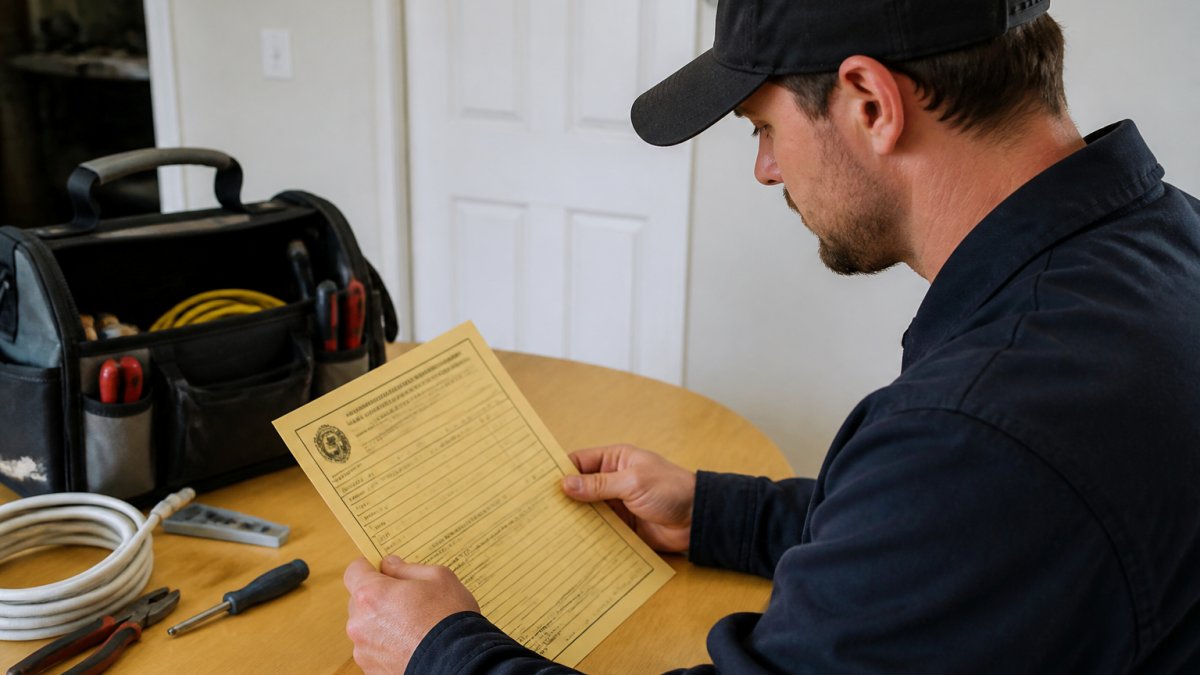
- Locate and have ready any documentation of recent electrical work
Information to gather before the inspection
Having this ready helps your inspector work efficiently:
- Age of your home, helps the inspector know what codes were in effect when it was built
- Recent electrical work, if you've had outlets added, panels upgraded, or generators installed, have documentation ready
- Known problems, list any outlets that don't work, lights that flicker, or breakers that trip frequently
Homeowners in Southbury, Prospect, and Collinsville often have older homes where this history is valuable. If you lack documentation, let your inspector know, they can often tell from the work itself whether it was done professionally.
Understanding Your Electrical Inspection Report
After the inspection, you'll receive a detailed report documenting the inspector's findings.
How findings are documented and prioritized
A good electrical inspection report organizes findings by severity:
Critical or immediate hazards, safety issues that need repair right away. Examples include exposed wiring, missing ground fault protection, or damaged panels.
Major concerns, problems that should be addressed soon but aren't immediately dangerous. Examples include outdated wiring, undersized panels, or non-functioning outlets.
Minor observations, items to monitor or address during future upgrades. Examples include missing outlet covers or outdated but functional components.
The report typically includes:
- Photos of problem areas
- Descriptions of what was found
- Explanations of why it's a concern
What to do when hazards are identified
If your inspection reveals hazards:
- Understand the issue, ask your inspector to explain what the hazard is and why it matters
- Get it in writing, make sure the findings are documented in your report
- Get repair estimates, contact licensed electricians (like the team at BEARS Electric) for quotes
- Prioritize by safety, address critical hazards first
- Keep records, save all documentation of repairs and upgrades
For homeowners in Watertown, West Hartford, and Newington, common hazards include outdated knob-and-tube wiring, missing GFCI protection, and undersized panels, each requiring different expertise to repair.
Common Electrical Safety Hazards Inspectors Look For
Inspectors know exactly what creates safety risks. Here are the most common hazards they identify:
Visible wiring damage and exposed wiring
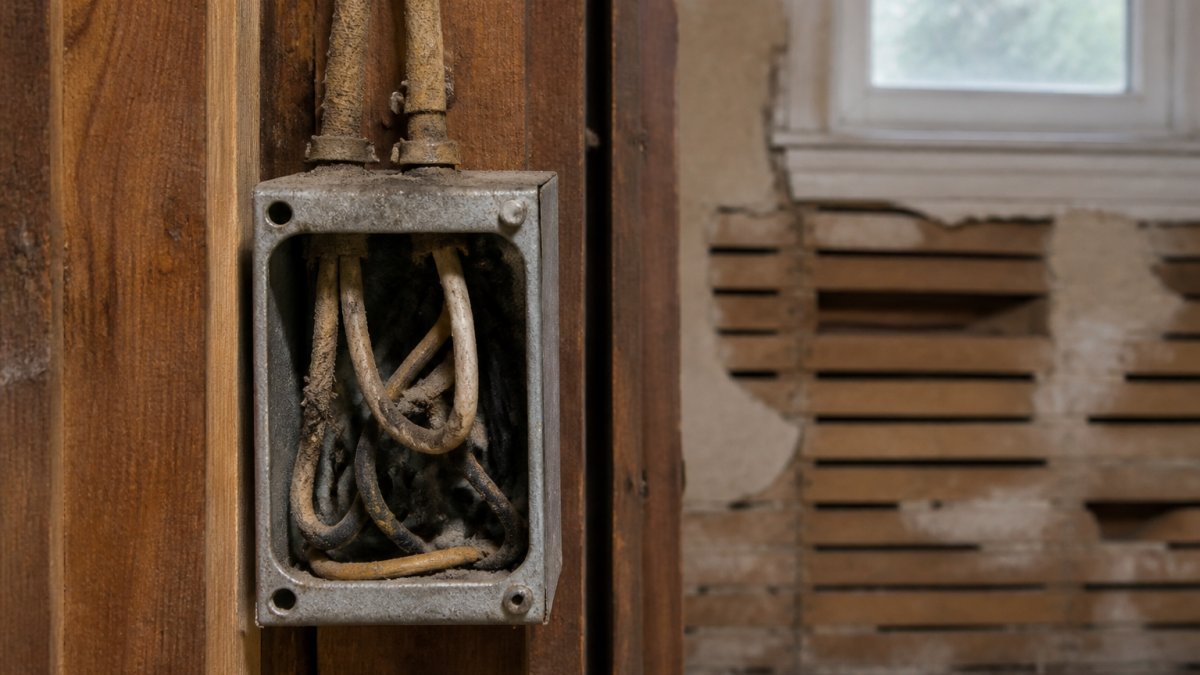
Damaged or exposed wiring is one of the most serious hazards an inspector can find.
Problems include:
- Frayed or cracked insulation, leaves bare wire exposed, creating shock and fire risks
- Rodent damage, mice and rats chew through wire insulation
- Water damage, moisture corrodes wiring and creates shock hazards
In older homes throughout Hartford, Middletown, and East Hartford, inspectors frequently find knob-and-tube wiring, an outdated system from the early 1900s. While it may still function, it's a serious fire risk and should be replaced.
Overloaded circuits and extension cord misuse
Circuits can only safely handle a certain load. Overloading them creates fire hazards. Common problems:
- Too many devices on one circuit, causes breakers to trip repeatedly
- Permanent extension cords, extension cords are meant to be temporary, not permanent solutions
- Daisy-chained power strips, plugging one power strip into another overloads circuits
Many homeowners in Farmington, Plantsville, and Thomaston use extension cords as permanent solutions. If you need more outlets, you need additional circuits installed, not more extensions.
Missing or faulty GFCI and AFCI protection
Ground fault circuit interrupter (GFCI) and arc fault circuit interrupter (AFCI) devices protect against specific electrical hazards. Inspectors check:
- GFCI outlets in wet areas, bathrooms, kitchens, laundry rooms, and outdoor areas should have GFCI protection
- AFCI protection in bedrooms, reduces risk of electrical fires in sleeping areas
- Proper installation, devices must be correctly wired and functioning
If your home was built before GFCI and AFCI protections became standard, your inspector will likely recommend adding these devices. They're inexpensive but critical for safety.
Next Steps After Your Electrical Inspection
Once you have your report, you'll know exactly what needs attention.
Addressing code violations and safety issues
Code violations are issues where your system doesn't meet current electrical codes; safety issues are hazards that create risks.
Here's how to approach them:
For critical safety issues:
- Get them fixed immediately by a licensed electrician
- Don't wait or try DIY repairs on electrical systems
- Save all documentation of the work
For code violations:
- Understand whether they affect safety or just code compliance
- Some violations don't pose immediate danger but should be corrected
- Get professional quotes before starting work
For minor observations:
- Plan to address these during future renovations
- Use them as a guide for ongoing maintenance
- Monitor these areas for changes
Planning upgrades or repairs
If your inspection reveals your system needs work, planning helps you manage costs and timeline. Consider:
- Urgency, critical safety issues first, then major concerns, then minor items
- Budget, get multiple quotes from licensed electricians
- Future needs, if you're planning to add an EV charger or generator, plan panel upgrades now
For homeowners across our central Connecticut service area, from Bristol to Wallingford, Middlebury to Beacon Falls, BEARS Electric helps with everything from small repairs to major panel upgrades. We provide transparent quotes and work to get you safe, reliable electrical service.
Frequently Asked Questions
How often should I have an electrical inspection?
Most homeowners should have an electrical inspection every 3-5 years, especially if they own an older home with an aging electrical system. If you notice flickering lights, frequently tripped breakers, or faulty outlets, schedule an inspection sooner. Before major renovations, purchasing a property, or installing new equipment like EV chargers or generators, a dedicated electrical inspection ensures your system can handle the work safely.
What does an electrical inspection include beyond visible components?
A thorough electrical inspection includes checking your service panel, circuit breakers, grounding and bonding systems, GFCI and AFCI protection devices, outlets, switches, visible wiring condition, and electrical connections. The inspector tests outlets for proper polarity and grounding, examines wiring for damage or deterioration, and verifies that your system meets current electrical codes. They document findings in a report that prioritizes safety hazards by severity.
Do I need to prepare my home for an electrical inspection?
Yes. Before the inspection, clear access to your electrical panel, attic, basement, and crawl spaces. Make sure doors and hatches open freely so the inspector can reach all components. Provide documentation of any previous electrical work, renovations, or repairs. Create a list of any concerns, like outlets that don't work, lights that flicker, or breakers that trip frequently. This preparation helps the inspector work efficiently and identify issues related to your specific concerns.
What happens if an electrical inspection finds a problem?
The inspector documents all findings in a detailed report, prioritizing hazards by risk level. Life-safety issues like exposed wiring, missing GFCI protection, or faulty grounding are flagged as urgent. Code violations and wear-related issues are noted separately. You then have the option to repair issues immediately, schedule repairs with a licensed electrician, or address them as part of a larger upgrade project. A licensed electrician can provide repair estimates and timeline recommendations based on the inspection findings.
Understanding what to expect from an electrical inspection removes the uncertainty and helps you prepare. A thorough inspection gives you peace of mind about your home's safety and clarity about any work that needs to be done. When you're ready to address findings from your inspection, get a free quote from BEARS Electric and let our experienced team handle the repairs and upgrades your home needs.