 how-to
Can One Contractor Handle Panel Upgrades?
Table of Contents
- Can One Contractor Handle Your Panel Upgrade?
- Licensed Electricians vs. General Contractors: What's the Difference?
- Do I Need a Permit for Electrical Panel Replacement?
- How Long Does a Panel Upgrade Take?
- Electrical Panel Upgrade Cost: What to Expect
- Steps to Complete Your Panel Upgrade Safely
- Liability and Insurance: Why Hiring the Right Contractor Matters
- Conclusion
- Frequently Asked Questions
Last Updated: August 30, 2026
Can One Contractor Handle Your Panel Upgrade?
When your home needs a panel upgrade, the question isn't just whether it's necessary, it's who can actually handle it. The short answer is yes, but with a critical caveat: only a licensed electrician can legally perform the electrical work, though you may need coordination with other professionals depending on your project scope.
A panel upgrade requires permits, inspections, utility coordination, and strict adherence to the National Electrical Code. Many homeowners assume a general contractor can manage the entire process, but electrical work sits in its own legal territory. At BEARS Electric, we've seen countless projects delayed or done incorrectly because homeowners hired the wrong contractor type for the job.
Licensed Electricians vs. General Contractors: What's the Difference?
A licensed electrician and a general contractor are fundamentally different professionals with different legal authority.
Licensed electricians are trained, tested, and authorized to perform electrical work. They've completed apprenticeships (typically 4-5 years), passed exams covering the National Electrical Code and local regulations, and carry liability insurance. When an electrician signs off on work, they're legally responsible for its safety and code compliance. They can pull permits in their own name and work directly with utility companies on service upgrades.
General contractors coordinate multiple trades but typically cannot perform electrical work themselves. They may hire licensed electricians as subcontractors, manage the overall project timeline, and handle permits for non-electrical components. However, a general contractor cannot legally perform electrical panel installation or upgrades in most jurisdictions.
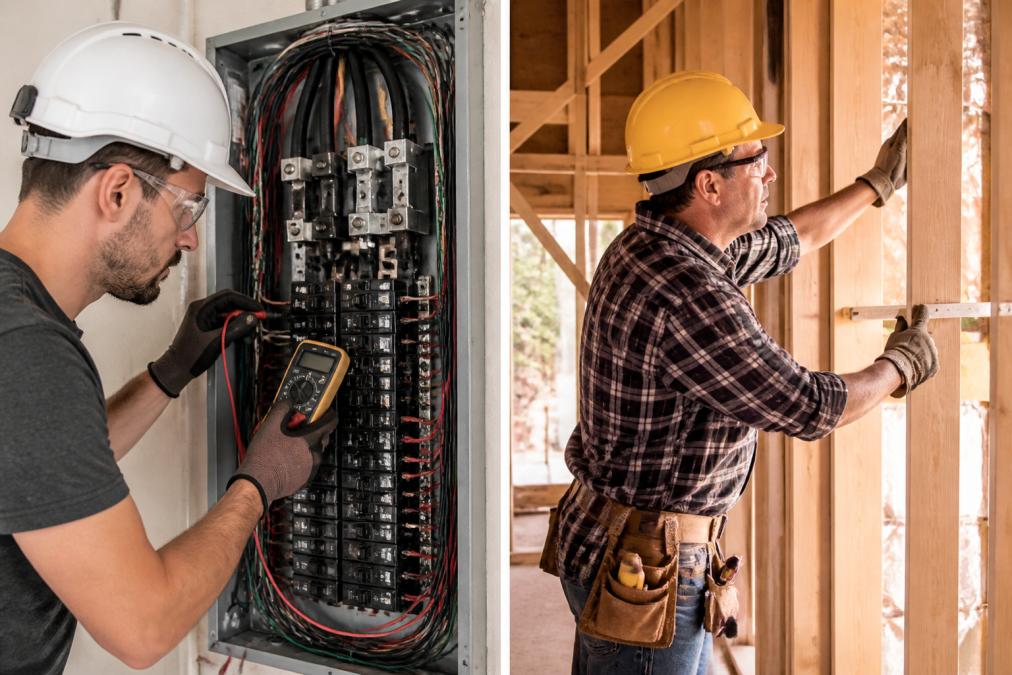
The liability difference is substantial. If a general contractor performs electrical work without proper licensing and something goes wrong, fire, electrocution, property damage, your homeowner's insurance may deny claims. You could face legal liability yourself.
A general contractor's role in a panel upgrade is coordination, not execution. They might manage the timeline, ensure the electrician has site access, coordinate with your utility company's scheduling, and oversee other renovation work happening simultaneously. But the actual electrical work must be done by a licensed electrician.
Do I Need a Permit for Electrical Panel Replacement?
Yes, you need a permit for panel replacement in virtually every jurisdiction. This isn't optional, and skipping it creates serious problems.
A permit ensures a licensed electrician performs the work to code and triggers an inspection by your local authority having jurisdiction (AHJ), which verifies the installation meets current electrical standards. It documents the work for your property records, which matters when you sell your home.
The permit process typically works like this: your licensed electrician applies for the permit on your behalf, providing plans and specifications for the new panel. The local building department reviews the application and either approves it or requests modifications. Once approved, the electrician performs the work and schedules an inspection. The inspector verifies that the panel is properly sized, grounded, bonded, and connected according to code. If everything passes, you receive a permit certificate of completion.
Unpermitted work creates liability. If your home has a fire or electrical failure and the insurance company discovers unpermitted panel work, they may deny your claim entirely. When you sell, unpermitted electrical work can delay closing or require remediation before the sale proceeds.
The cost of a permit is typically modest, usually $50 to $200 depending on your location. BEARS Electric handles all permit applications and scheduling as part of our service.
How Long Does a Panel Upgrade Take?
Panel upgrade timelines vary based on several factors: whether you need utility coordination, the complexity of your existing wiring, local inspection schedules, and the scope of amperage changes.
A straightforward panel replacement in a newer home with accessible wiring typically takes one to two days. Utility coordination adds significant time. When you upgrade from a 100-amp to 200-amp service, your utility company must install new service lines from the street to your meter. This can take anywhere from a few days to several weeks depending on the utility's workload.
Inspection scheduling also matters. If your local building department has a backlog, you might wait a week or two for an inspector to come out. Older homes with outdated wiring or difficult-to-access panels take longer.
Most panel upgrades, from initial permit application through final inspection, take two to four weeks total. The actual electrical work is fast; the waiting for utility coordination and inspection is what stretches the timeline.
Electrical Panel Upgrade Cost: What to Expect
Panel upgrade costs depend on several variables: the scope of work, whether you're upgrading amperage, local labor rates, and material availability.
Upgrading from a 100-amp panel to 200-amp service costs more than replacing a 200-amp panel with the same amperage, because the higher amperage service requires larger conductors, potentially new service lines from the utility, and more complex grounding work. The distance from your meter to the panel affects labor time. Material costs include the new panel itself, breakers, disconnects, conduit, and wire.
Labor is typically the largest cost component. Licensed electricians charge for their expertise, liability insurance, and the time required to do the work safely and to code. The permit and inspection fees are separate line items, usually modest compared to labor and materials.
Rather than guessing at costs, request a quote from a licensed electrician who can evaluate your specific panel, service requirements, and local code requirements. Many electricians offer free estimates.
Steps to Complete Your Panel Upgrade Safely
A panel upgrade follows a structured process that ensures safety and code compliance at every stage.
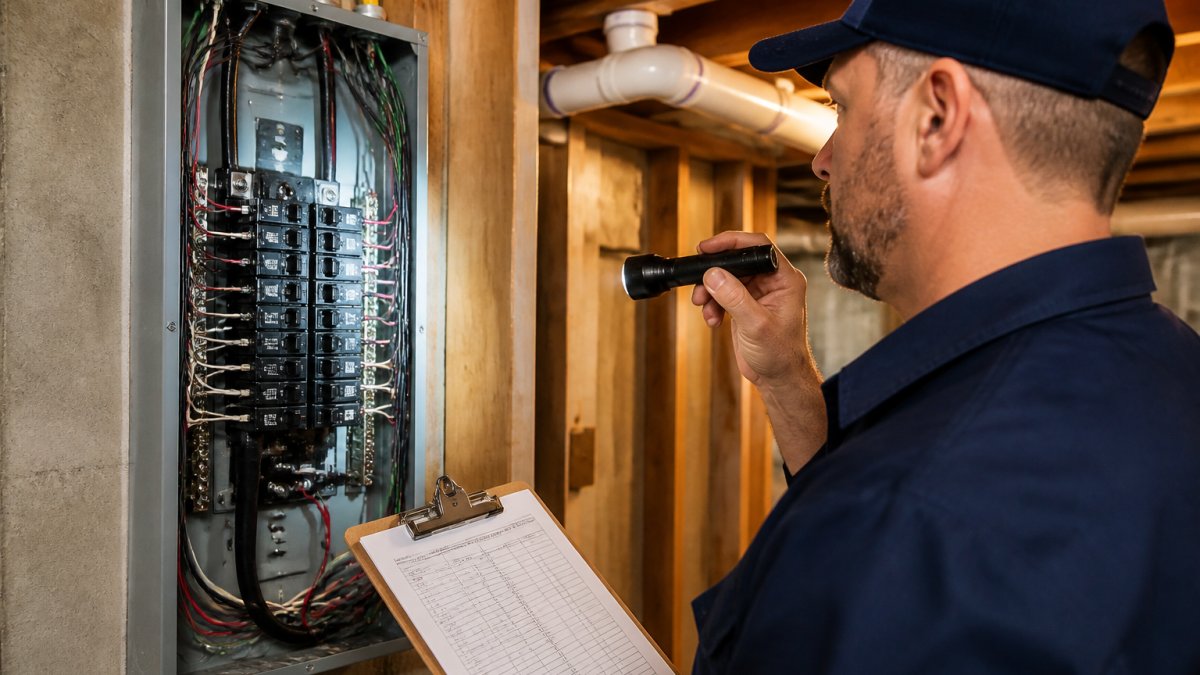
Step 1: Assessment and Load Calculation Your electrician evaluates your current panel, reviews your electrical usage, and calculates whether you need a larger service. Load calculations follow NEC guidelines and ensure the new panel matches your actual needs.
Step 2: Permit Application Your electrician prepares permit paperwork with specifications for the new panel and submits it to your local building department. You may need to provide proof of property ownership.
Step 3: Utility Notification and Coordination If you're upgrading service size, your electrician notifies the utility company. The utility schedules a time to disconnect the old service and install new lines if necessary. The utility must disconnect power before the electrician can safely remove the old panel.
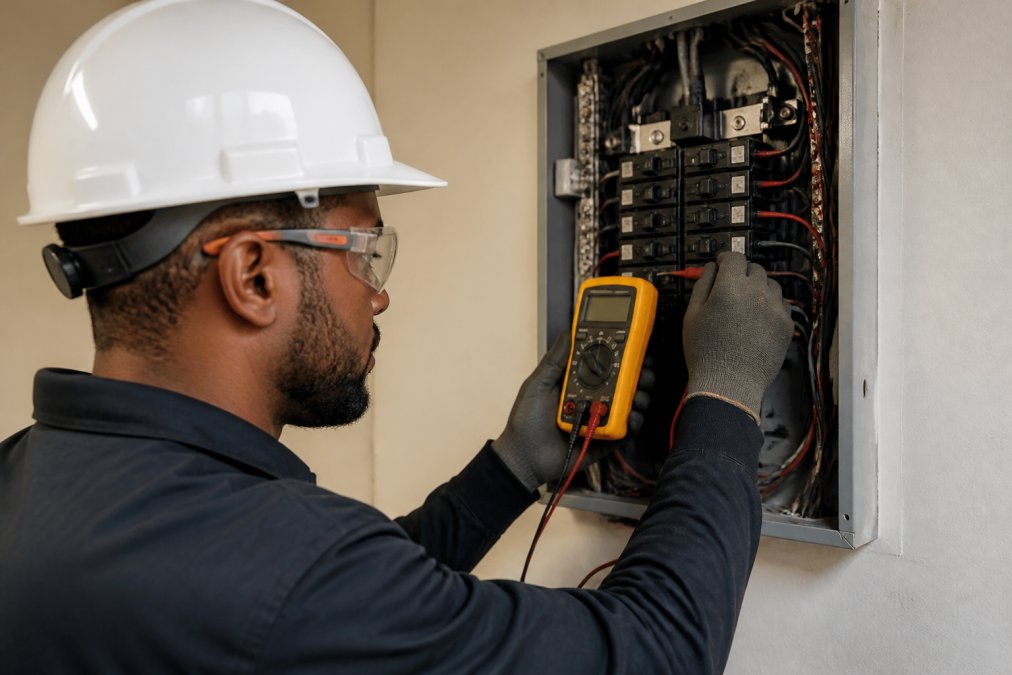
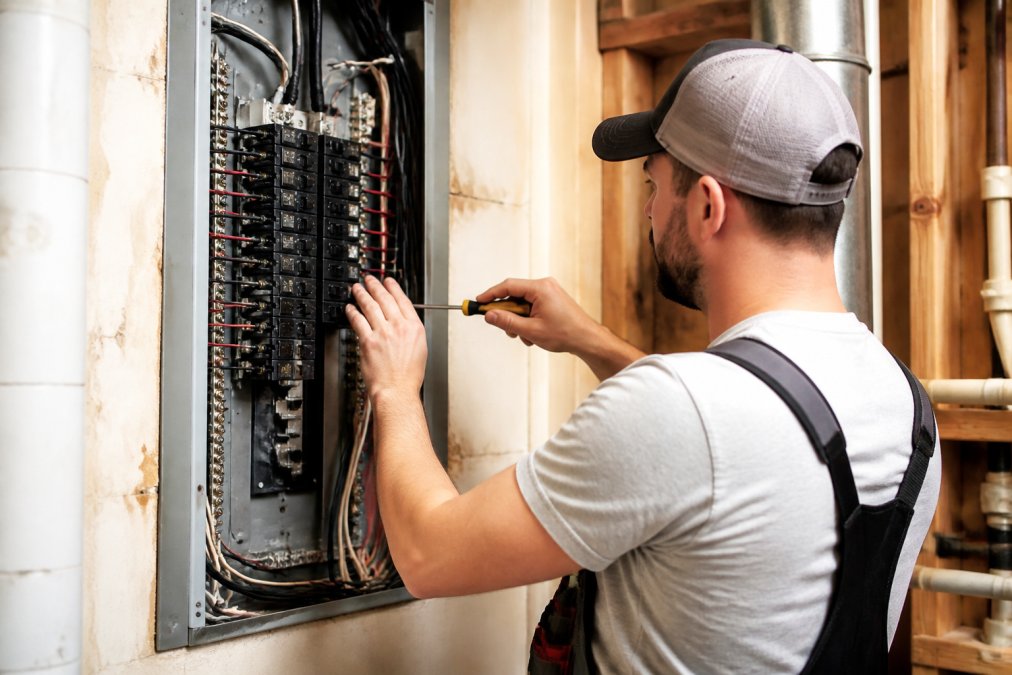
Step 4: Panel Removal and Installation Once the utility has disconnected power, the electrician removes the old panel and installs the new one, ensuring it's properly grounded and bonded. All existing circuits are reconnected to new breakers in the new panel.
Step 5: Service Connection The utility company reconnects the service lines to your new meter and panel. Once reconnected, power is restored to your home.
Step 6: Inspection Your electrician schedules an inspection with the local building department. The inspector verifies that the panel is properly sized, installed to code, and all connections are secure.
Step 7: Final Closeout Once inspection is passed, the building department issues a certificate of completion. Your electrician provides you with all documentation, including the permit, inspection reports, and a detailed list of all work performed.
Liability and Insurance: Why Hiring the Right Contractor Matters
Hiring an unlicensed contractor or a general contractor to perform electrical work creates liability exposure that can cost far more than hiring a licensed electrician from the start.
Your Insurance Coverage Homeowner's insurance covers electrical damage caused by defects in materials or installation, but only if the work was performed by a licensed electrician and permitted properly. If you hire an unlicensed contractor or skip the permit process, your insurance company can deny coverage entirely.
Contractor Licensing and Bonding Licensed electricians carry general liability insurance and workers' compensation insurance. Licensed contractors are also bonded, meaning there's a financial guarantee behind their work.
Code Compliance and Safety The National Electrical Code exists because electrical hazards kill people. A panel installed incorrectly can cause electrocution, fires, or equipment damage. Licensed electricians know the code inside and out and understand grounding, bonding, wire sizing, and breaker coordination requirements.
Liability if Something Goes Wrong If an electrician causes damage during installation, their liability insurance covers it. If an unlicensed contractor damages something, you have no recourse. If the work causes a fire or injury, you could be personally liable for damages.
Future Property Sales When you sell your home, a title company or home inspector may discover electrical work that wasn't permitted. This creates a closing delay or requires remediation before the sale proceeds.
Hiring a licensed electrician for panel upgrades protects yourself, your family, and your property investment. BEARS Electric carries full liability insurance and bonding, and we handle all permits and inspections so you're protected every step of the way.
Conclusion
Can one contractor handle your panel upgrade? A licensed electrician can handle the entire electrical component. A general contractor can coordinate the overall project if needed, but they cannot legally perform the electrical work themselves. The distinction matters because electrical work is regulated, permitted, and inspected.
Panel upgrades require permits, utility coordination, and professional installation to code. Skipping any of these steps creates safety hazards and insurance liability that can cost far more than hiring the right contractor from the start. BEARS Electric specializes in panel upgrades and handles everything from initial assessment through final inspection, with transparent pricing and our satisfaction guarantee. When your home's electrical safety is on the line, experience and proper licensing aren't optional. Get a free quote and let our team handle your panel upgrade safely and to code.
| Step | Duration | Key Requirement |
|---|---|---|
| Assessment & Load Calculation | 1-2 hours | Licensed electrician evaluation |
| Permit Application | 3-7 days | Building department approval |
| Utility Coordination | 1-4 weeks | Utility company scheduling |
| Panel Installation | 1-2 days | Licensed electrician, power disconnected |
| Inspection | 1 day | Local authority verification |
| Final Closeout | 1 day | Certificate of completion issued |
FAQs
Can a general contractor install an electrical panel?
No. General contractors are not licensed to perform electrical work. They can hire a licensed electrician as a subcontractor and manage the overall project, but they cannot legally install the panel themselves.
What happens if I skip the permit?
Skipping the permit creates several problems: your homeowner's insurance may deny claims related to electrical failures, you could face fines from your local building department, and unpermitted work can delay or prevent a home sale.
How long does utility coordination take for a panel upgrade?
Utility coordination typically takes one to four weeks depending on the utility company's workload and whether they need to install new service lines. This is usually the longest part of a panel upgrade project.
Can I do a panel upgrade myself?
No. Electrical panel work is restricted to licensed electricians in all jurisdictions. Attempting DIY electrical work violates local code, voids insurance coverage, and creates serious safety hazards.
What's the difference between a 100-amp and 200-amp panel upgrade?
A 100-amp panel supports basic household loads. A 200-amp panel supports higher demand, including modern appliances, EV chargers, and heat pumps. The upgrade requires larger service lines from the utility, new wiring, and a more complex installation.
External Sources & References
For more information on electrical codes and safety standards, consult the National Electrical Code guidelines, which governs all electrical installation in the United States. The Occupational Safety and Health Administration electrical safety standards provides additional guidance on electrical hazards and safe work practices. For information on contractor licensing requirements in your state, contact your state electrical licensing board.
Frequently Asked Questions
Q: Do I need a licensed electrician for a panel upgrade or can a general contractor do it?
A: A licensed electrician must handle the actual panel upgrade work. General contractors cannot legally perform electrical work on panels. While a general contractor may coordinate your renovation project, only a licensed electrical contractor can upgrade your panel, perform the load calculation, ensure NEC code compliance, and obtain the required permit. Using an unlicensed contractor exposes you to safety hazards, code violations, and liability issues.
Q: What happens if you upgrade your electrical panel without a permit?
A: Unpermitted panel upgrades create serious consequences: your home fails inspection, insurance may deny claims related to electrical issues, you face potential fines from local jurisdiction authorities, and you lose safety verification that the work meets code. Permits exist to protect your home from electrical deficiencies and hazards. When you sell your home, buyers discover the unpermitted work during their inspection, which can kill the sale or force expensive corrections. Always obtain the required permit before starting work.
Q: How much does an electrical panel upgrade cost?
A: Panel upgrade pricing depends on several factors: whether you need a 100A to 200A upgrade, the complexity of your load calculation, local permit fees, your home's existing wiring condition, and whether utility coordination is required. Additional costs apply if you're adding high-demand appliances like EV chargers. For accurate pricing tailored to your specific situation, contact a licensed electrical contractor for a detailed quote. BEARS Electric provides transparent pricing with no hidden fees and can give you an estimate after assessing your home's needs.
Q: How long does a panel upgrade take?
A: A typical panel upgrade takes one to three days, depending on complexity. The timeline includes: utility coordination (1-2 days before work starts), the actual panel replacement or service upgrade (4-8 hours), inspection by local authorities (1-2 days after completion), and final utility reconnection. Older homes with outdated wiring may take longer. Permit processing adds additional time before work begins. Your licensed electrician can provide a specific timeline after evaluating your panel, amperage requirements, and local inspection schedules.
This article was written using GrandRanker