 listicle
Reliable Electrical Panel Replacement Service
Table of Contents
- Signs of a Faulty Electrical Panel
- Why Electrical Panel Replacement Matters for Home Safety
- Electrical Rewiring Cost for Old Homes and Panel Upgrades
- Average Cost of 200 Amp Panel Upgrade
- What to Expect During Panel Replacement Installation
- Permitting, Inspection, and Code Compliance
- Why Choose a Licensed Electrician for Your Panel Replacement
- Conclusion
Last Updated: August 24, 2026
Signs of a Faulty Electrical Panel
An electrical panel that's failing sends clear warning signals. Frequent circuit breaker tripping, especially when using multiple appliances simultaneously, indicates the panel may be deteriorating. Flickering lights throughout your home suggest inconsistent voltage delivery from the load center.
Burning smells near the panel or scorch marks on the breaker box demand immediate attention, these are fire hazards requiring emergency service. You might also notice outlets that won't hold plugs securely, warm switches, or humming sounds from the panel. Rust or corrosion on the panel's exterior is another warning sign.
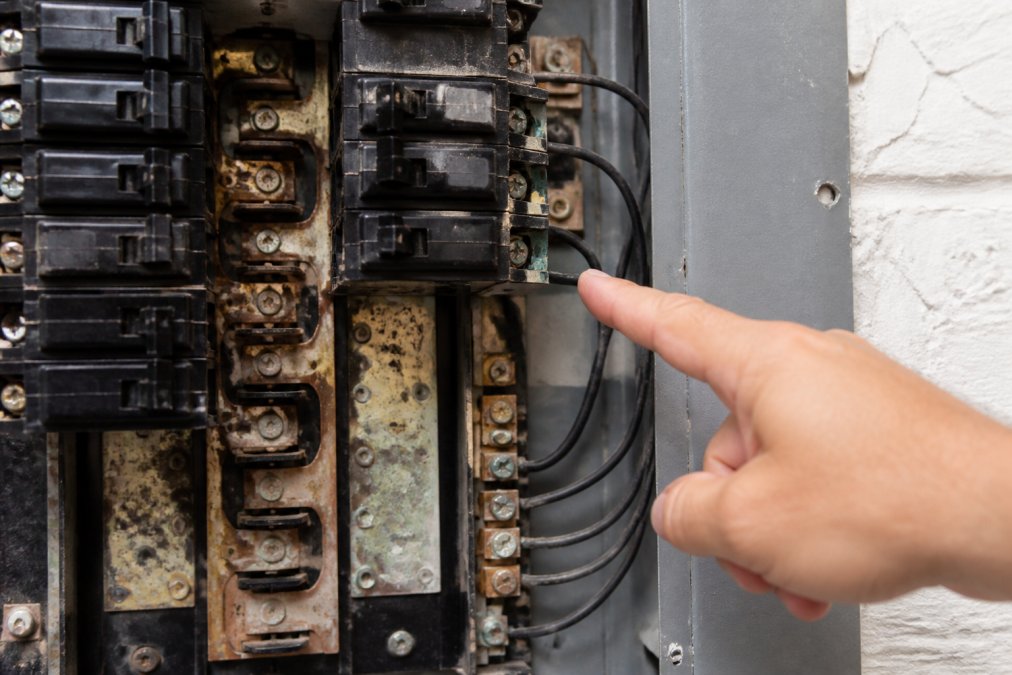
If your home has a 100-amp panel and you're adding modern loads like an EV charger or heat pump, the system can't handle the demand. At BEARS Electric, we've inspected panels where the main breaker was undersized for the home's actual electrical needs, creating a safety risk most homeowners didn't realize existed.
Panels installed before 2000 are more prone to failure. Federal Pacific Electric (FPE) and Zinsco panels, common in homes from the 1970s-1990s, have documented reliability issues and are considered fire hazards by most electricians and insurance companies (cpsc.gov). If your panel shows any combination of these signs, an electrical inspection should be your next step.
Why Electrical Panel Replacement Matters for Home Safety
Your electrical panel is the central nervous system of your home's power distribution. It receives incoming voltage from the utility company and divides it into circuits that feed power to different areas. When that system fails or becomes outdated, the consequences range from inconvenient to catastrophic.
An aging or faulty panel creates fire risk. Overheated breakers, loose connections, and deteriorated components can arc internally, generating heat that ignites nearby materials. Insurance companies take this seriously, many will deny claims if a fire originates from an outdated panel or refuse to renew coverage altogether.
An undersized panel limits your home's functionality. You can't reliably run multiple high-demand appliances at once. Adding an EV charger, upgrading to heat pump heating, or installing a generator requires adequate panel capacity and proper grounding and bonding.
Modern electrical code requires AFCI (arc-fault circuit interrupter) protection on most circuits and GFCI protection in wet areas (nfpa.org). Older panels often can't accommodate these safety devices without full replacement. When you renovate or add significant new loads, code compliance becomes mandatory.
An electrical panel replacement upgrades your entire electrical infrastructure. The work includes inspecting and often upgrading the main service entrance, checking grounding and bonding integrity, and ensuring the new panel matches current code standards. This comprehensive approach eliminates multiple hazards at once and supports your home for the next 20-30 years.
Electrical Rewiring Cost for Old Homes and Panel Upgrades
Old homes present unique challenges when upgrading electrical systems. Many were built with aluminum wiring, knob-and-tube wiring, or undersized copper conductors that can't safely handle modern loads. A panel upgrade often reveals that the entire service entrance needs attention.
The scope of work determines cost. A straightforward panel replacement in a home with adequate main service conductors costs less than one where the entire service entrance needs upgrading. If your home has aluminum wiring, electricians must use special connectors and techniques to ensure safe connections.
Older homes often have hidden complications. Discovering that the existing grounding system is inadequate or that the service entrance is too small for modern demand can expand the project scope. That's why a licensed electrician's initial assessment is critical, it identifies what actually needs replacement.
The permitting and inspection process also affects total cost and timeline. Municipal electrical inspectors will require compliance with current code, which sometimes means upgrading more than just the panel. BEARS Electric handles permitting as part of our service, so you're not managing multiple agencies.
Material costs for a modern electrical panel are reasonable; the real expense is labor. A licensed electrician's time includes disconnecting the old panel safely, installing the new one, running new circuits where needed, testing for code compliance, and coordinating with the utility company for the meter swap.
Average Cost of 200 Amp Panel Upgrade
A 200-amp panel upgrade is the standard for modern homes, providing enough capacity for typical residential loads including heating, cooling, appliances, and EV charging (nfpa.org). The cost varies based on whether the existing service entrance can accommodate the new panel, the distance from the meter to the panel, local labor rates, and code requirements.
Material costs for the panel itself, breakers, and associated hardware represent roughly 30-40% of the total expense. Labor dominates the budget, involving utility coordination, disconnecting the existing panel, installing the new panel, running circuits, testing, and final inspection.
Geographic location matters. Urban areas with higher labor costs see higher quotes than rural areas. Complexity also drives cost, a straightforward replacement where the existing service entrance is adequate costs less than a project requiring new service entrance work or grounding upgrades.
Permitting and inspection fees are separate line items that vary by municipality. At BEARS Electric, we provide transparent pricing with no hidden fees. Our quotes itemize each component so you see exactly what you're paying for, and we handle all permitting and utility coordination.
What to Expect During Panel Replacement Installation
Panel replacement typically takes one full day, though complex projects may extend into a second day. The process begins with the electrician coordinating with your utility company to schedule a temporary service disconnect. Your power will be off during this time.
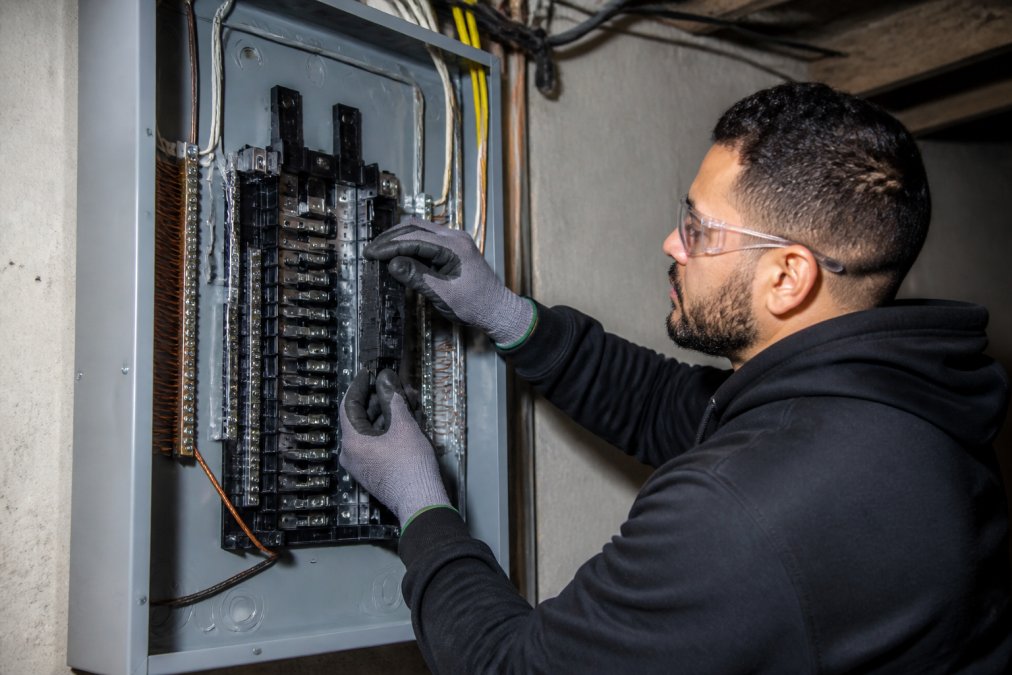
The first step is safely disconnecting the old panel. This requires de-energizing all circuits, removing the meter, and carefully disconnecting the main service conductors and grounding and bonding conductors. This is hazardous work requiring a licensed professional.
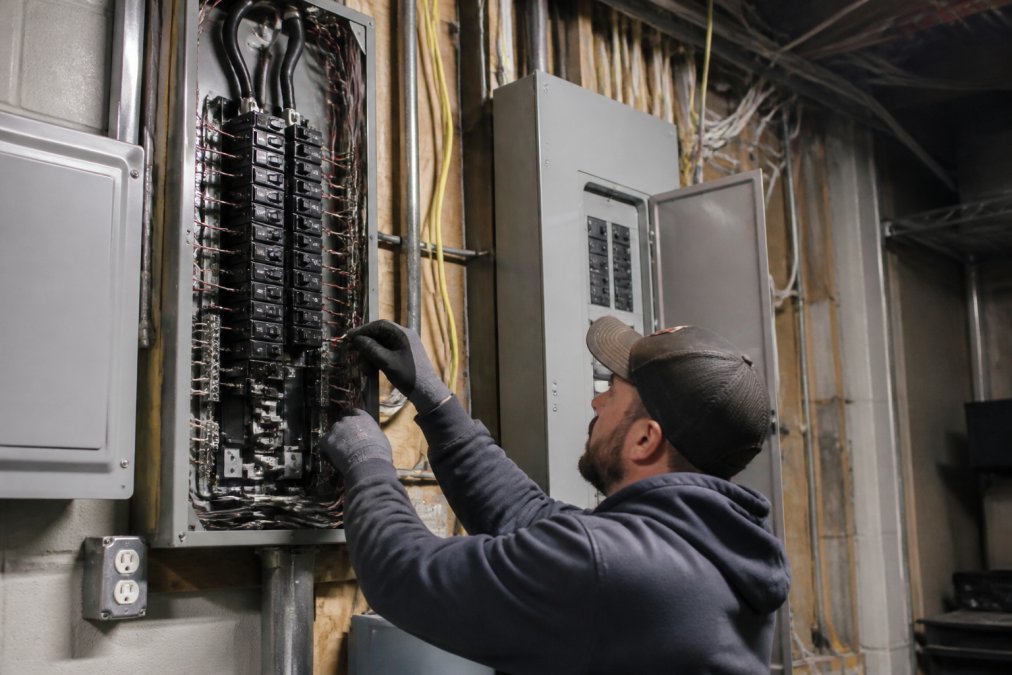
Once the old panel is removed, the electrician installs the new panel in the same location or a new location if unsuitable. The new panel is secured to the wall, and the main service conductors are connected to the main lug. Grounding and bonding conductors are installed according to code.
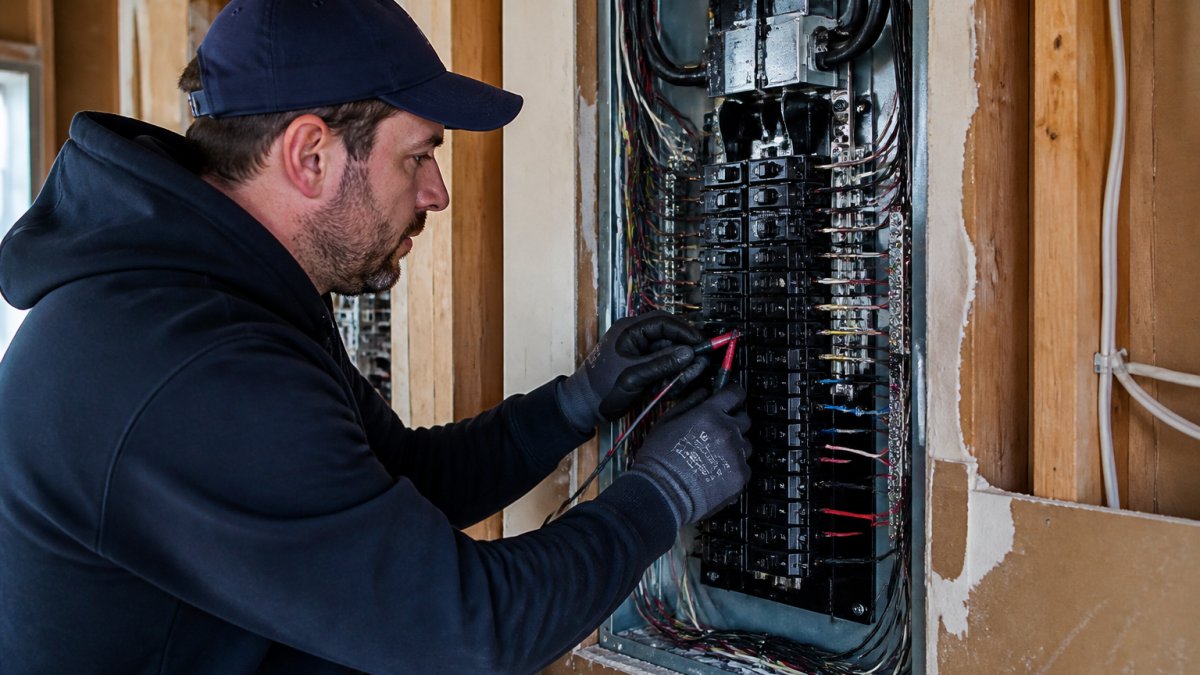
New circuits are then run from the panel to serve various areas of your home. The electrician installs breakers, connects circuit conductors, and tests each circuit for proper voltage and continuity. The meter is reinstalled by utility company personnel or a licensed electrician, depending on local rules. Once verified, power is restored and the municipal electrical inspector confirms code compliance.
You won't have electrical power during installation. Most homes can tolerate this for one day, though you should plan accordingly. BEARS Electric schedules work strategically to minimize disruption and restore power quickly.
Permitting, Inspection, and Code Compliance
Electrical work on your main panel requires a permit from your local building department and inspection by a licensed electrical inspector. These requirements protect your safety and ensure the work meets current electrical code standards.
Your electrician submits plans or specifications to the building department, which reviews the application and issues a permit. This typically takes 3-7 business days.
Code compliance means your new panel meets the National Electrical Code (NEC) and any local amendments. Modern code requires proper grounding and bonding, adequate circuit protection, AFCI protection on most circuits, and GFCI protection in wet areas. Your new panel must also have space for future circuits.
The inspection happens after installation is complete. The electrical inspector verifies that the panel is properly installed, all connections are secure, grounding and bonding are correct, and the system is safe. If everything passes, the inspector approves the work and issues a completion certificate.
This certificate is important. It's proof to your insurance company that the electrical work was done to code by a licensed professional. Unpermitted electrical work can void your homeowner's insurance coverage and create issues when selling your home.
BEARS Electric handles all permitting and inspection coordination. We know local code requirements and manage the bureaucracy as part of the service.
Why Choose a Licensed Electrician for Your Panel Replacement
Panel replacement involves working with high-voltage electricity and code compliance requirements that demand professional expertise. A licensed electrician has the training, tools, and insurance to do this work safely and correctly.
Licensing requirements vary by state and municipality, but all require documented training, apprenticeship hours, and passing an exam. Licensed electricians understand electrical theory, code requirements, and safety protocols.
Insurance matters too. A licensed electrician carries liability insurance and workers' compensation insurance. If something goes wrong, you're protected. An unlicensed contractor could leave you facing legal liability and repair costs.
Code compliance is critical. An unlicensed electrician might install a panel that works but doesn't meet current code, creating safety risks. A licensed electrician knows what code requires and installs systems that pass inspection the first time.
Licensed electricians have reputations to protect. If they do poor work, they face complaints to the licensing board, which can result in fines or license suspension. This accountability motivates quality workmanship.
At BEARS Electric, our team is fully licensed and insured with over 12 years in business. Our customers know they're getting experienced professionals who stand behind their work. We offer a satisfaction guarantee because we're confident in the quality of our installations.
Electrical panel replacement is one of the most important investments you can make in your home's safety and functionality. An aging or undersized panel creates fire risks, limits your ability to add modern loads like EV chargers, and violates current electrical code. BEARS Electric specializes in panel upgrades that bring your home up to code, enhance safety, and provide capacity for future needs. Our licensed electricians handle permitting, inspection, and coordination with your utility company, delivering a complete, compliant installation with transparent pricing and no hidden fees. Get a free quote from BEARS Electric and discover how a modern electrical panel can transform your home's reliability and safety.
Frequently Asked Questions
How do I know if my electrical panel needs to be replaced?
Your electrical panel likely needs replacement if you notice frequent tripping breakers, flickering lights, burning smells near the panel, or if the panel is over 25 years old. Panels rated below 100 amps may struggle with modern electrical demands. A licensed electrician can inspect your panel and determine whether repair or replacement is necessary. Many safety issues, like corrosion, rust, or outdated wiring, require professional evaluation to prevent fire hazards.
What is the average cost of 200 amp panel upgrade?
The cost for a 200 amp panel upgrade depends on several factors, including your home's current setup, local labor rates, permit fees, and whether rewiring is needed. Rather than guess at pricing, we recommend contacting us for a free estimate. We provide transparent quotes with no hidden fees, so you'll know the exact cost before work begins. Many homeowners find that upgrading to 200 amps is essential for modern appliances, EV chargers, and generators.
Will homeowners insurance cover a new electrical panel?
Most homeowners insurance policies do not cover panel replacement as a standard benefit, since it's considered a maintenance upgrade rather than damage. However, some insurers offer discounts if you upgrade an outdated panel, as it reduces fire risk. Additionally, having an old or faulty panel may actually prevent you from getting coverage at all. Check with your insurance provider about potential discounts for upgrading to a modern, code-compliant panel.
How long does an electrical panel replacement take?
A typical electrical panel replacement takes 4 to 8 hours, depending on your home's complexity and whether additional rewiring is needed. The timeline includes disconnecting the old panel, installing the new one, connecting breakers, and final inspection. We strive to complete most replacements in a single day, minimizing disruption to your home. Permitting and inspection scheduling may add a few days to the overall project timeline.
This article was written using GrandRanker