 how-to
How to Tell if Your Electrical Panel Needs an Upgrade
Table of Contents
- What Is an Electrical Panel and Why It Matters
- Signs Your Electrical Panel Needs an Upgrade
- How to Check Your Current Amperage
- Why Do My Lights Flicker in My House
- Cost of Electrical Panel Upgrade
- When to Call a Professional Electrician
- Panel Upgrades for EV Charging and Modern Appliances
- DIY vs. Professional Panel Upgrades
Last Updated: August 26, 2026
What Is an Electrical Panel and Why It Matters
An electrical panel is the central hub that distributes power throughout your home. It receives electricity from your utility company's service line, then splits that power into individual circuits that feed different areas of your house. Think of it as the nervous system of your home's electrical infrastructure.
Your panel contains a main breaker (the master on/off switch) and individual circuit breakers that protect each circuit from overload. When too much current flows through a circuit, the breaker trips, cutting power to that line to prevent fires and electrical hazards. This protection mechanism is critical, it's the difference between a safe electrical system and a dangerous one.
Most homes built before 2000 have 100-amp service, while newer construction typically features 200-amp panels (nfpa.org). The amperage rating determines how much total electrical load your home can handle simultaneously. Understanding your current setup is the first step toward recognizing whether an upgrade is necessary.
At BEARS Electric, we've spent over 12 years helping homeowners understand their electrical infrastructure. Many property owners don't realize their panel is undersized until they experience flickering lights, frequent breaker trips, or worse, safety hazards that put their family at risk.
Signs Your Electrical Panel Needs an Upgrade
Recognizing warning signs early can prevent electrical fires and dangerous situations. Your panel sends clear signals when it's struggling under your home's electrical demands.
Flickering Lights and Power Fluctuations
Flickering lights seem minor until you understand what causes them. When your panel can't deliver stable voltage to your circuits, lights dim or flicker, especially when high-draw appliances like air conditioners or electric ranges turn on. This isn't just annoying, it indicates your electrical service is strained.
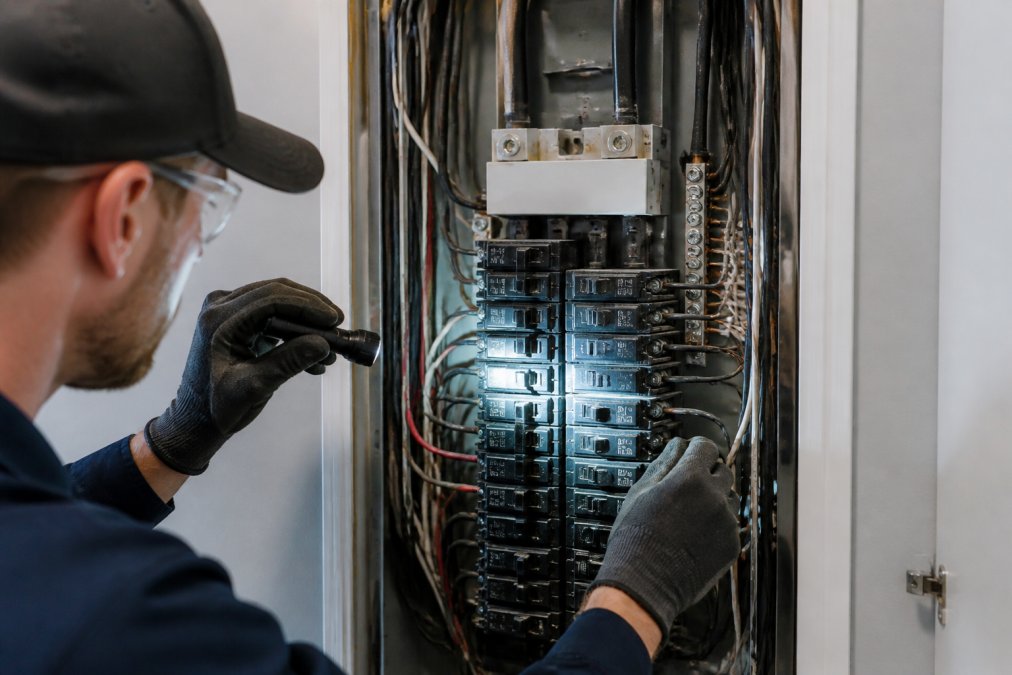
Voltage fluctuations stress appliances and shorten their lifespan. Your refrigerator, water heater, and HVAC system all suffer when power delivery isn't consistent. If you notice lights dimming when you run the dishwasher or turn on the oven, your panel is likely at capacity or beyond.
This problem becomes urgent if you're planning to add major electrical loads. Installing an EV charger, heat pump, or new kitchen appliances on an already-strained panel invites problems. The solution often requires a panel upgrade to handle modern electrical demands safely.
Frequent Breaker Tripping and Overheating
Circuit breakers trip for a reason, they're protecting your home from electrical fires. But if a breaker trips repeatedly on the same circuit, something is wrong. Frequent tripping means that circuit is drawing more current than its breaker is rated for.
An overloaded panel generates heat as it struggles to manage demand. If you notice the panel box itself feels warm to the touch, that's a serious warning sign. Heat accelerates the breakdown of wiring insulation and component lifespan. Over time, an overheating panel becomes a fire hazard.
Multiple breakers tripping simultaneously, or the main breaker tripping often, signals that your total home load exceeds your panel's capacity. This is the most common reason homeowners need panel upgrades. You can't keep adding circuits to an undersized panel indefinitely.
Burning Smells and Scorched Outlets
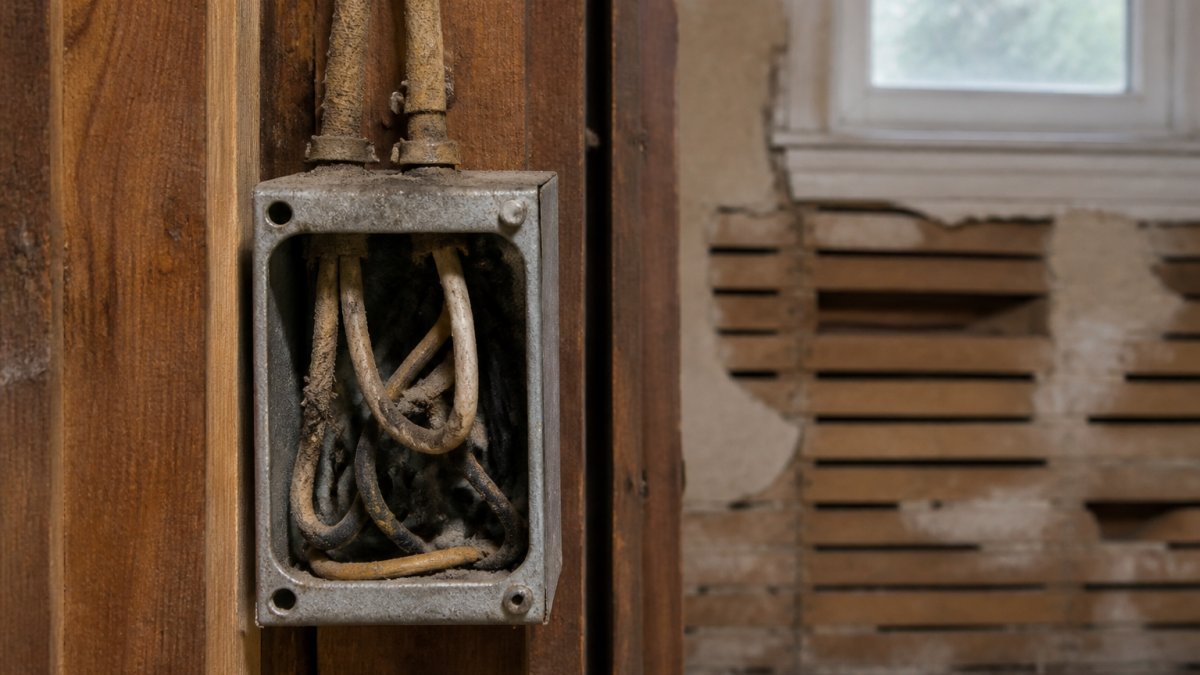
A burning smell near your electrical panel or outlets is a red flag that demands immediate attention. This odor indicates overheating wiring or components, a precursor to electrical fires. Scorched or discolored outlets around your home point to localized overheating in those circuits.
Never ignore these signs. If you detect burning smells or see scorched outlets, stop using those circuits and call a professional immediately. These are not problems to troubleshoot yourself, they require professional diagnosis and repair.
The National Electrical Code (NEC) establishes safety standards for electrical installations, and overheating conditions violate those standards (nfpa.org). Your home's electrical system must comply with current code requirements to be considered safe.
Reliance on Extension Cords and Power Strips
Depending heavily on extension cords and power strips throughout your home is a symptom, not a solution. When you can't plug devices into wall outlets because there aren't enough circuits, your panel isn't meeting your home's needs.
Power strips and extension cords are temporary solutions for temporary situations. Using them as permanent fixtures means you're exceeding your available circuits. This creates fire hazards and indicates your panel capacity is insufficient for your actual electrical usage.
Modern homes use more electricity than homes built 20 or 30 years ago. Smart home devices, multiple computers, charging stations, and powerful appliances have transformed electrical demand. A panel that was adequate in 1995 is likely undersized today.
How to Check Your Current Amperage
Determining your panel's current capacity is straightforward. The amperage rating is printed directly on your main breaker or labeled on the panel door.
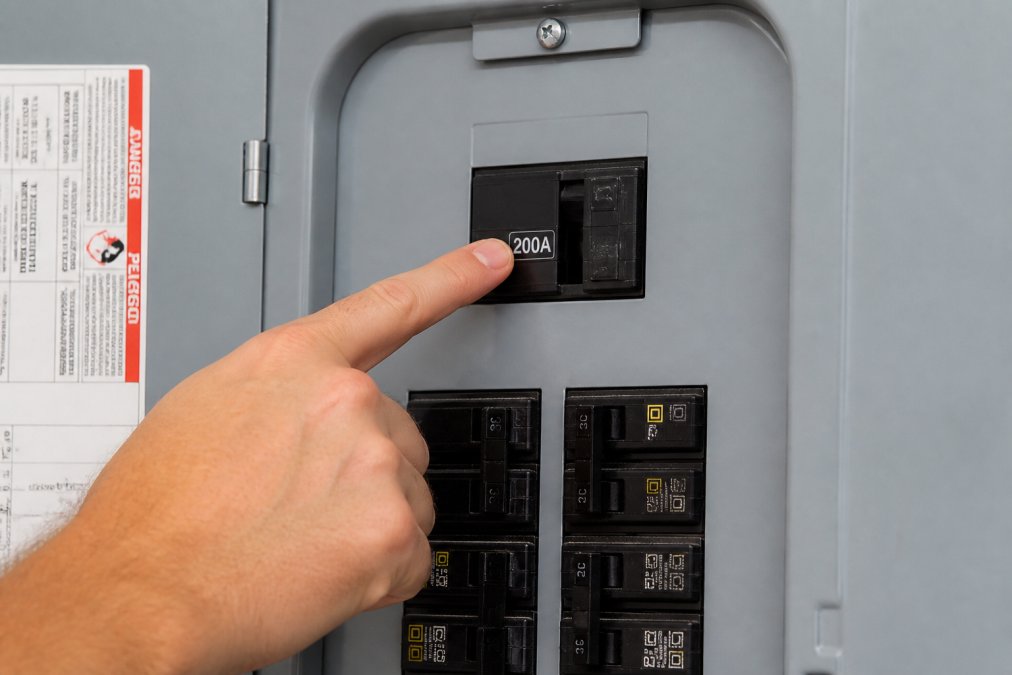
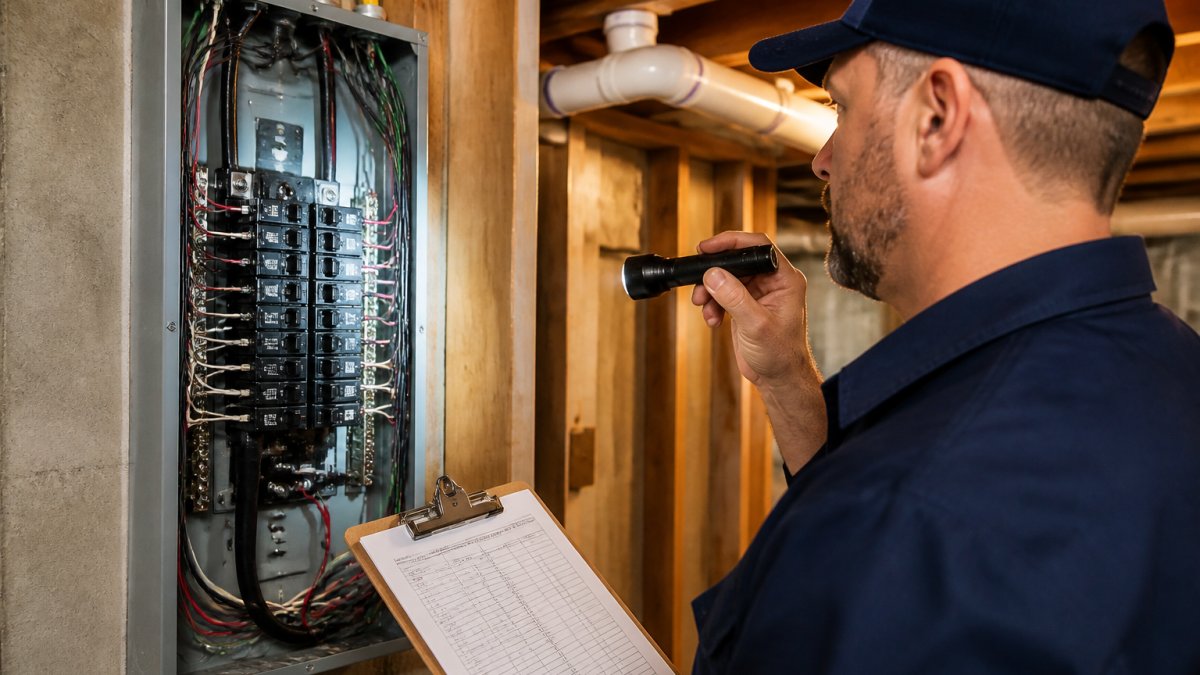
Open your panel's cover (or look at the exterior label if you're uncomfortable opening it) and locate the main breaker at the top. The amperage is clearly marked, typically 100, 150, or 200 amps for residential homes. Write this number down.
Next, examine your individual circuit breakers. Each one is labeled with its amperage rating (usually 15 or 20 amps for standard circuits, 30-50 amps for major appliances). Add up the total amperage of all breakers in your panel. This gives you a sense of your panel's total capacity versus how much you're actually using.
If you're uncomfortable opening your panel, that's fine. A professional electrician can assess your amperage in minutes. At BEARS Electric, we provide free quotes that include a full electrical assessment, so you understand your home's current capacity and future needs.
The key insight: if your home was built before 1990 and still has a 100-amp panel, an upgrade is likely in your future, especially if you're adding modern appliances or an EV charger.
Why Do My Lights Flicker in My House
Flickering lights indicate unstable voltage delivery, and the root cause often traces back to your electrical panel. When your panel can't supply consistent voltage to circuits, lights flicker noticeably.
Several issues can cause this problem. An undersized panel is the most common culprit, your home's total electrical load exceeds what the panel can deliver. When you turn on high-draw appliances simultaneously, voltage drops to other circuits, causing lights to dim or flicker.
Loose connections inside the panel also cause voltage instability. Over time, vibration and thermal cycling can loosen the connections where utility lines connect to your main breaker. This creates resistance that reduces voltage delivery. A professional electrician can tighten these connections, which is a quick fix if that's the issue.
Faulty breakers sometimes cause flickering too. If a specific breaker is failing, it may not maintain proper voltage to that circuit. Replacing a bad breaker is simpler than upgrading your entire panel, but a professional needs to diagnose which breaker is failing.
The distinction matters because the fix depends on the cause. Flickering from an undersized panel requires a panel upgrade. Flickering from loose connections or bad breakers requires targeted repairs. Either way, professional diagnosis prevents guesswork and unnecessary expenses.
Cost of Electrical Panel Upgrade
Panel upgrades represent a significant investment, and pricing depends on several factors specific to your home and situation. The scope of work, your home's age, local electrical code requirements, and whether rewiring is needed all affect the final cost.
Rather than estimate, we recommend getting a professional quote. At BEARS Electric, we provide transparent pricing with no hidden fees, you'll know the exact cost before work begins. Our team can assess your specific situation and provide a detailed estimate that breaks down labor, materials, and any additional work required.
What we can tell you: delaying a necessary panel upgrade often costs more in the long run. Electrical fires, damaged appliances, and safety hazards are far more expensive than proactive upgrades. Insurance implications also matter, if your home's electrical system doesn't meet current code standards, your homeowner's insurance may deny claims related to electrical damage.
When to Call a Professional Electrician
You should call a professional electrician if you notice any of the warning signs mentioned above. Flickering lights, frequent breaker tripping, burning smells, or scorched outlets all warrant professional evaluation.
Don't attempt panel upgrades yourself. Electrical work involving your home's main service requires a licensed electrician and permits from your local authority. Working on a live panel is extremely dangerous, electrocution, arc flash, and electrical fires are real risks. Professional installation ensures your work meets code requirements and carries proper permits and inspections.
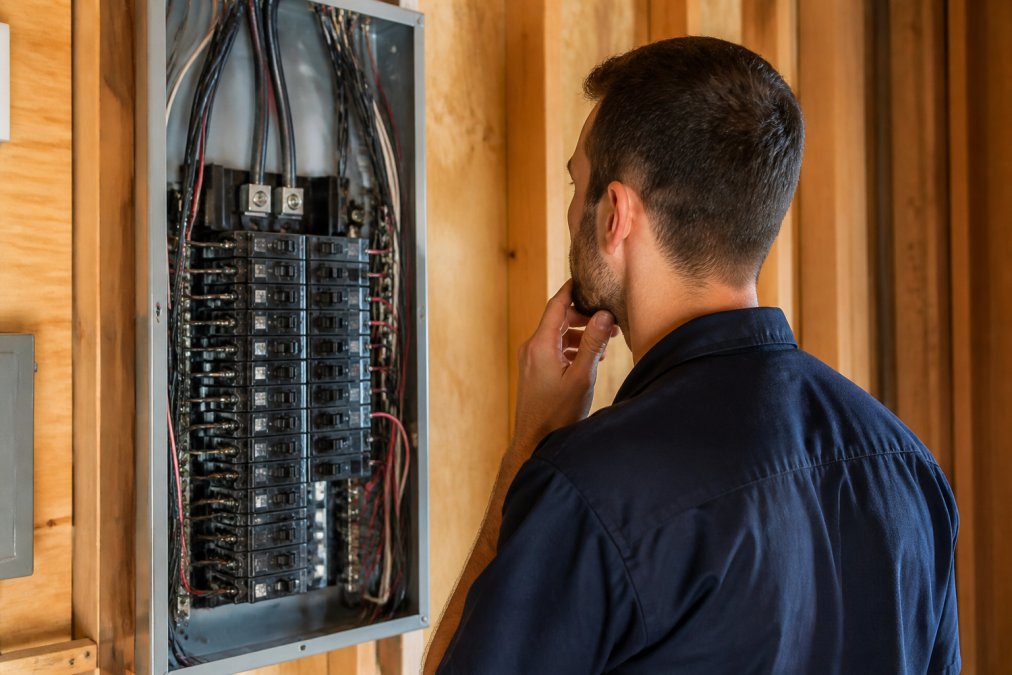
A qualified electrician will assess your current panel, calculate your home's electrical load, and recommend whether an upgrade is necessary. They'll also identify any code violations or safety hazards that need attention.
BEARS Electric responds promptly to electrical emergencies and provides same-day service when possible. Our team has 12 years of experience handling everything from routine panel inspections to complex upgrades. We work with homeowners to explain the work required, ensure transparency in pricing, and deliver quality workmanship backed by a satisfaction guarantee.
Panel Upgrades for EV Charging and Modern Appliances
Installing an electric vehicle charger or heat pump often requires a panel upgrade. These high-demand appliances need dedicated circuits with substantial amperage. A 240-volt EV charger typically requires 40-60 amps of dedicated service (fcc.gov). A heat pump system needs similar capacity.
If your home has a 100-amp panel and you want to add an EV charger, you're likely looking at a panel upgrade to 200 amps. This provides the capacity for your existing loads plus the new appliance without overloading circuits.
The integration of modern appliances with older electrical infrastructure is a common challenge. Your home's wiring, panel capacity, and service entrance all need to support the new load. A professional assessment determines whether you can add the appliance to your existing panel or need an upgrade.
Smart home integration adds another layer. Multiple smart devices, security systems, and automation controllers all draw power. While individually small, collectively they add to your home's total load. Planning for future growth when upgrading your panel makes sense, you won't want to upgrade again in five years.
Heat pump systems deserve special mention. As homeowners transition to electric heating for efficiency and sustainability, heat pumps are becoming standard. These systems draw significant power, especially during cold weather when heating demand peaks. Upgrading your panel as part of a heat pump installation ensures reliable operation and prevents the overheating and breaker tripping that undersized panels experience.
DIY vs. Professional Panel Upgrades
Let's be direct: you should not attempt a panel upgrade yourself. This isn't a judgment, it's a safety and legal reality.
Electrical work on your home's main service requires a licensed electrician in virtually all jurisdictions. Permits are required, and inspectors must verify the work meets current code. Your homeowner's insurance likely won't cover damage from unpermitted electrical work. If an electrical fire occurs and inspectors discover unpermitted DIY work, you could face liability issues.
The technical skills required are substantial. Calculating electrical load, sizing conductors properly, ensuring grounding and bonding are correct, and understanding code requirements all demand professional training. Mistakes aren't minor, they create fire hazards and electrocution risks.
What you can do yourself: inspect your panel for warning signs, check your amperage rating, and identify circuits that seem overloaded. You can also prepare for a professional visit by noting which appliances cause breaker trips or flickering lights. This information helps electricians diagnose problems faster.
Professional installation ensures the work is done right, carries permits and inspections, and meets current electrical code. It protects your home, your family, and your insurance coverage. The cost of professional work is far less than the cost of an electrical fire or the liability from unpermitted work.
Recognizing when your electrical panel needs an upgrade protects your home and family from serious electrical hazards. Flickering lights, frequent breaker trips, burning smells, and scorched outlets are clear signals that your panel is struggling.
If you're experiencing any of these warning signs or planning to add major electrical loads like an EV charger or heat pump, professional assessment is essential. BEARS Electric provides free quotes and transparent pricing to help you understand your options. Our team delivers quality workmanship with a satisfaction guarantee, ensuring your electrical upgrades are done right the first time. Contact us today for a free assessment and get peace of mind knowing your home's electrical system is safe and up to code.
Frequently Asked Questions
Can an old electrical panel cause lights to flicker?
Yes. Flickering lights often signal that your electrical panel cannot handle your home's current load or that connections are deteriorating. An aging panel with corroded components or insufficient amperage struggles to distribute power evenly, causing voltage fluctuations. If your lights flicker frequently, especially when multiple appliances run simultaneously, your panel likely needs evaluation or upgrade to restore stable power delivery.
What is the 80% rule for electrical panels?
The 80% rule, part of the National Electrical Code (NEC), states that continuous loads should not exceed 80% of your panel's total capacity. For example, a 200-amp panel should handle no more than 160 amps of continuous load. This safety margin prevents overheating and protects against electrical fires. If your home consistently operates above this threshold, an electrical panel upgrade is necessary to maintain compliance and safety.
How much does it typically cost to upgrade an electrical panel?
Electrical panel upgrade costs vary based on amperage increase, local electrical codes, and complexity of your home's wiring. Pricing depends on whether you're upgrading from 100 to 200 amps, adding a sub-panel, or integrating modern systems like EV charging. For a detailed estimate tailored to your specific situation, contact a licensed electrician for a free quote. BEARS Electric offers transparent pricing with no hidden fees.
Should I replace a 40-year-old electrical panel?
Most electrical panels last 25 to 40 years. A 40-year-old panel is at or beyond its expected lifespan and should be evaluated by a professional. Older panels often use outdated technology, have reduced capacity for modern appliances, and may pose fire hazards due to deteriorated components. If your panel is aging and showing signs of wear, tripping breakers, or burning smells, replacement is strongly recommended for safety and to support modern electrical demands.
This article was written using GrandRanker