 how-to
Do I Need a Permit for Electrical Work? 2026 Guide
Table of Contents
- When Is an Electrical Permit Required?
- Electrical Work That Does Not Need a Permit
- Who Can Apply for the Permit?
- The Electrical Inspection Process Explained
- Electrical Permit Cost: What to Budget For
- What Happens If You Skip the Permit?
- When to Hire a Licensed Electrician
- Conclusion: Permit First, Safety Always
- Frequently Asked Questions
Last Updated: September 4, 2026
An electrical permit is an official approval from your local building department that authorizes specific electrical work to proceed, ensuring it meets the National Electrical Code and local safety standards. If you are planning any significant electrical changes, you likely need to ask do i need permit for electrical work before starting, because the answer determines your legal liability and home safety. This guide from BEARS Electric, a Bristol-based electrical contractor serving Central Connecticut, walks through exactly when permits are mandatory, what you can skip, and the hidden risks of unpermitted work.
The most direct answer: you need a permit for nearly any non-cosmetic electrical task, including adding new circuits, panel upgrades, or wiring a new room. Most homeowners are surprised to learn that even a simple outlet addition in a finished basement requires a permit and inspection in most jurisdictions. Below, we will show you how to check your local rules, what the inspection process involves, and why skipping the permit can void your insurance and complicate a future home sale.
When Is an Electrical Permit Required?
Any project that adds, extends, or alters a residential electrical system generally requires a permit. This includes panel upgrades, new circuit installation, adding a sub-panel, wiring for an EV charger installation, hot tubs, and whole-house generators. Remodeling projects that involve new wiring or relocating switches and outlets also fall under this rule, as does new construction of any kind.
The reasoning is straightforward: these tasks change the electrical load on your system and create potential fire hazards if done incorrectly. Your local building department reviews the planned work against the electrical code before issuing a permit, then sends a building inspector to verify the work after completion. International Code Council electrical code resources explains that these codes exist to protect occupants from shock and fire risks.
A common mistake is assuming that because a contractor is licensed, they will handle the permit automatically. Confirm this before work begins. If a contractor suggests skipping the permit to save time, that is a red flag that should prompt you to find a different professional.
Electrical Work That Does Not Need a Permit
Small, cosmetic replacements rarely trigger a permit requirement. You can typically swap out an existing light fixture, replace a dimmer switch, change a standard outlet for a similar one, or install a ceiling fan where wiring already exists without filing for a permit. These are considered repair tasks rather than modifications to the system.
What you cannot do without a permit is add new wiring, extend existing circuits, or change the electrical load. For example, replacing a single-pole switch with a dimmer is fine, but adding a new light fixture to an existing circuit in a location that was not pre-wired requires a permit. Similarly, upgrading from a 100-amp to a 200-amp service entrance is a major project that demands a permit and inspection.
The line between repair and modification confuses many homeowners. When in doubt, call your local building department. A quick phone call costs nothing and can prevent a costly citation later. Many towns also publish a homeowner exemption that lets you pull the permit yourself for work on your primary residence, but the work still gets inspected.
Who Can Apply for the Permit?
In most jurisdictions, either the homeowner or a licensed electrician can apply for the permit. Homeowner permits are generally limited to single-family residences where the owner lives on the property. You cannot pull a homeowner permit for work on a rental property, and you cannot hire an unlicensed helper to do the work under your permit.
Licensed electricians and electrical contractors can pull permits for any property type. When you hire a professional, the permit is typically included in the project scope, and the electrician's license number appears on the application. This creates a clear chain of accountability: the electrician certifies the work meets code, and the building inspector verifies it.
For larger projects like a service entrance upgrade or a new sub-panel, most homeowners choose to work with a licensed electrician rather than pulling the permit themselves. The complexity of the electrical inspection process and the technical knowledge required make professional handling the safer choice.
The Electrical Inspection Process Explained
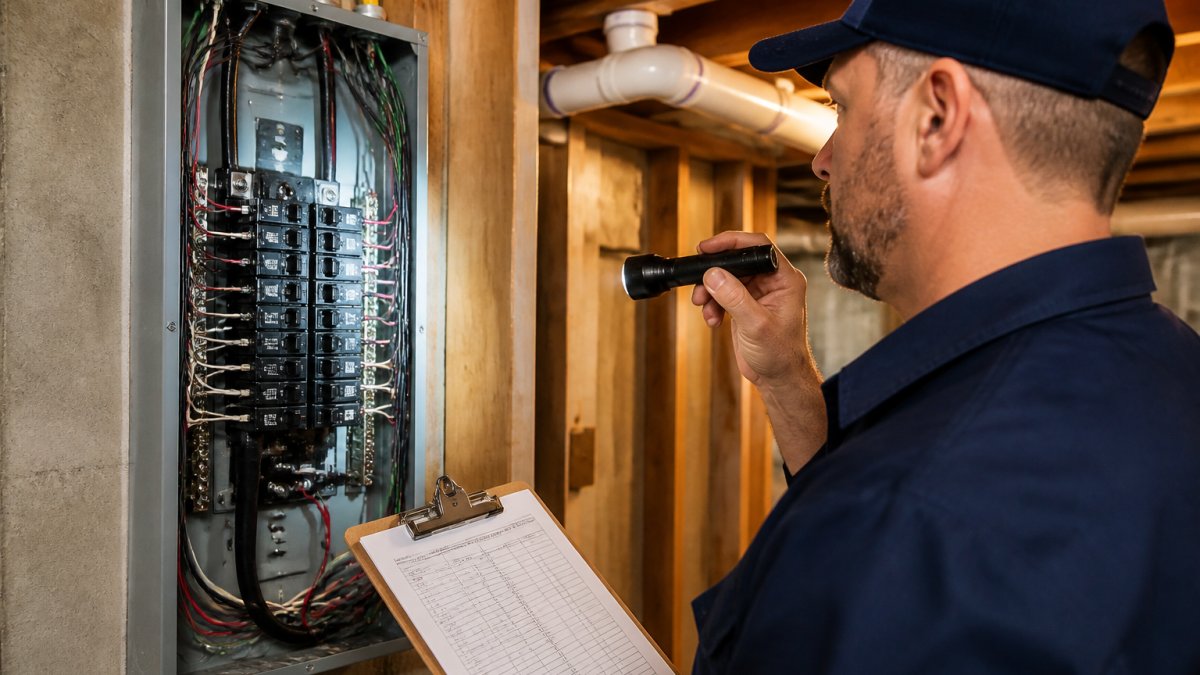
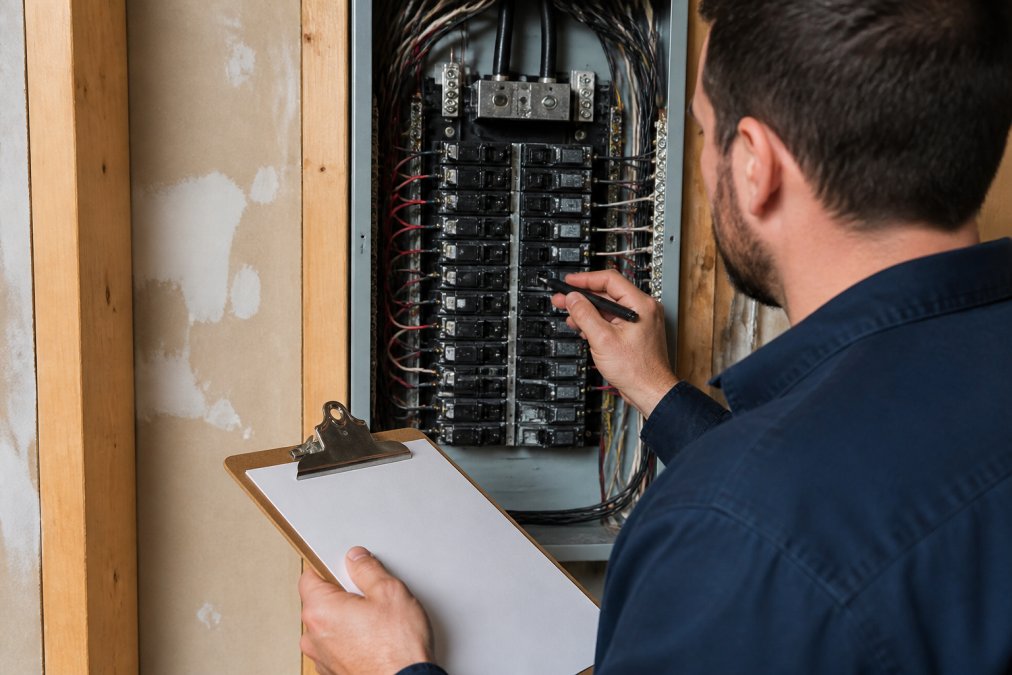
The inspection process is a safety checkpoint that confirms the work meets the electrical code before it is covered up by drywall or enclosed in walls. You typically schedule two inspections: a rough-in inspection before closing up walls, and a final inspection when the work is complete. The building inspector checks that wiring is properly secured, grounding and bonding are correct, circuit breakers match the wire gauge, and all connections are made inside approved junction boxes.
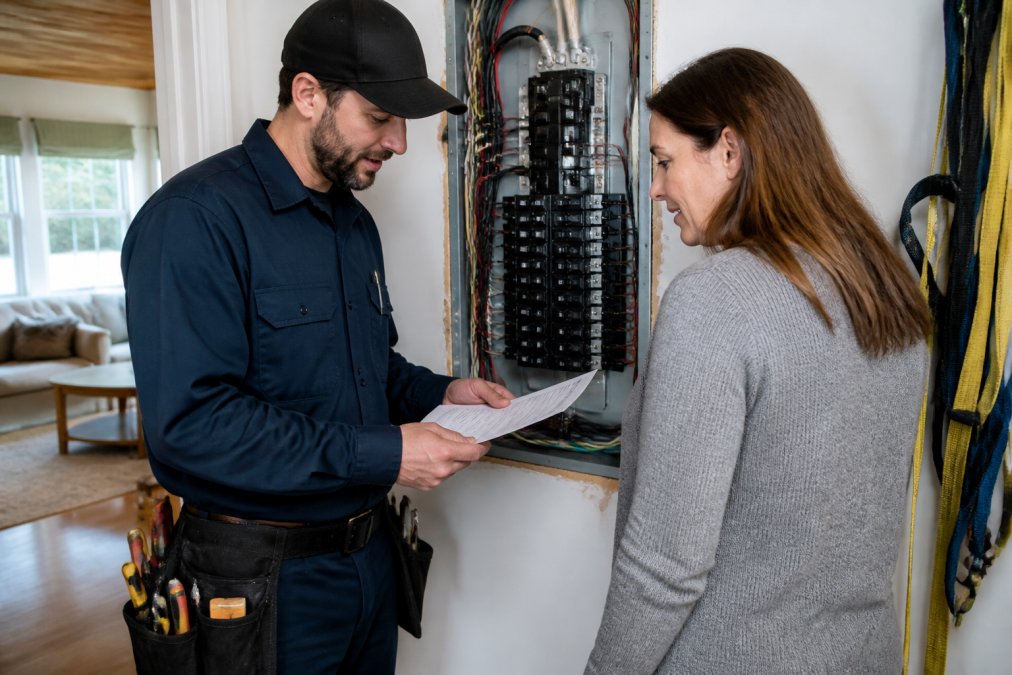
The inspector will fail the work if they find code violations, and you will need to correct those issues and schedule a re-inspection. This process protects you from hidden hazards like overloaded circuits or improperly sized breakers that could cause a fire. A failed inspection is not a mark against you, it is the system working as intended.
Once the final inspection passes, the building department issues a certificate of completion. Keep this document with your home records. It proves the work was done to code, which matters when you sell the house or file an insurance claim.
Electrical Permit Cost: What to Budget For
Electrical permit costs vary widely by town, but they are generally modest compared to the cost of the work itself. Fees are often based on the scope of the project: a simple circuit addition might cost less than a full service upgrade. Your local building department publishes a fee schedule, and many towns list it online.
The inspection fee is usually bundled into the permit cost. Some towns charge a flat rate, while others calculate based on the estimated value of the electrical work. You can ask your electrician for an estimate of the permit fee when you receive your project quote, since they pull permits regularly in your area.
Skipping the permit to save this fee is a false economy. If the town discovers unpermitted work, you will pay double or triple the original fee as a penalty, plus the cost of opening up walls for inspection. U.S. Consumer Product Safety Commission electrical safety resources documents that faulty electrical work is a leading cause of residential fires, which makes the inspection fee look like a bargain.
What Happens If You Skip the Permit?
Skipping the permit creates three distinct problems: legal, financial, and safety-related. The legal issue surfaces if you sell the house, since buyers and their home inspectors often find unpermitted work, and your town may require you to obtain a retroactive permit before closing. This process can involve opening walls for inspection and paying penalties.
The financial risk is significant. Homeowners insurance policies commonly exclude coverage for damage caused by unpermitted and uninspected work. If faulty wiring causes a fire and the insurance adjuster determines the work lacked a permit, your claim could be denied, leaving you to cover the full cost of repairs. This single risk makes the permit fee irrelevant in comparison.
Safety is the most important consideration. The electrical inspection process exists to catch mistakes before they cause harm. Unpermitted work bypasses that safety net, putting your family at risk of shock, electrical fires, and equipment damage. As noted in FEMA home electrical fire prevention guidance, most electrical fires are preventable with proper installation and inspection.
When to Hire a Licensed Electrician
You should hire a licensed electrician for any project that requires a permit, involves your main service panel, or adds significant electrical load. Panel upgrades, EV charger installations, generator hookups, and whole-home rewiring are not DIY projects. The risks of improper work, including electrical fires and code violations, are simply too high.
A qualified electrician handles the entire process: pulling the permit, scheduling inspections, and correcting any issues the building inspector finds. This saves you time and ensures the work is done right the first time. When you hire a professional, you also get the benefit of their experience with local code requirements, which vary between towns.
For homeowners in Central Connecticut, including areas like Bristol, Southington, and Plainville, working with a local licensed electrician means someone who knows the specific requirements of your town's building department. The team at BEARS Electric brings over 12 years of industry experience to projects ranging from simple wiring repairs to full panel upgrades, with transparent pricing and a satisfaction guarantee.
Conclusion: Permit First, Safety Always
The answer to whether you need a permit for electrical work is almost always yes for any project that adds or alters wiring. The permit fee is small, the inspection process protects your family, and skipping it can void your insurance and complicate a future home sale. These are risks no homeowner should accept.
If you are planning electrical work in your home, start by checking with your local building department, then hire a qualified professional to handle the permit and the work. BEARS Electric serves homeowners across Central Connecticut with prompt, reliable service and quality workmanship, backed by a satisfaction guarantee and transparent pricing with no hidden fees. Get a free quote today and ensure your electrical project is safe, legal, and built to last.
Frequently Asked Questions
Can I do my own electrical work without a permit?
Even if you own the home, most electrical work that alters circuits, adds new wiring, or upgrades your panel requires a permit. A homeowner exemption may exist in some areas, but it still requires a permit and inspection. Doing unpermitted work risks failed inspections, insurance denial, and issues when selling your home. Check with your local building department before starting any project.
What types of electrical projects require a permit?
Permits are generally required for installing new circuits, panel upgrades, adding a sub-panel, whole-house rewiring, EV charger installation, and adding outlets or lighting during remodeling. Replacing a single fixture or a like-for-like outlet swap usually does not require one. Your local building department has the final say on what counts as non-cosmetic work.
Does a professional electrician handle the permit process for me?
Most licensed electricians pull the permit as part of their service. This ensures the work meets electrical code and passes the required safety inspection. If you hire a contractor who asks you to pull the permit, that is a red flag. The permit protects you by triggering an independent review of the work by a building inspector.
How much does an electrical permit cost?
Electrical permit fees vary by local jurisdiction and are typically based on the scope of the project. A simple circuit addition might cost less than a full panel upgrade. The fee covers the plan review and the required inspection visits. Ask your electrician for the permit fee estimate as part of your quote so there are no surprises.
This article was written using GrandRanker