 how-to
Professional Whole House Generator Repair: A Complete Guide
Table of Contents
- When Your Whole House Generator Needs Professional Repair
- Common Generator Issues and Troubleshooting Steps
- DIY vs. Professional Repair: Where to Draw the Line
- Understanding the Cost of Whole House Generator Repair
- Standby Generator Maintenance Checklist for Long-Term Performance
- How Long Does a Home Generator Last and When to Replace
- Post-Repair Performance Testing and System Calibration
- Preventive Maintenance Plans and 24-Hour Emergency Support
Last Updated: August 29, 2026
When Your Whole House Generator Needs Professional Repair
A professional whole house generator repair isn't something homeowners plan for, it happens when you need backup power most. Your standby generator sits quietly for months, then when a storm knocks out the grid, it either springs to life automatically or it doesn't. That's when you discover whether your system is ready or facing a cold, dark house and an unexpected repair bill.
The difference between a working generator and a failed one often comes down to maintenance and knowing when DIY troubleshooting crosses into territory that demands a licensed technician. This guide from BEARS Electric covers everything homeowners need to understand about generator repair, from common failure points to repair costs and when to call professionals versus handling diagnostics yourself.
Whether your generator won't start, your transfer switch isn't responding, or you're seeing warning lights, understanding what's happening saves time and money. Let's walk through the most common issues, the repair thresholds that separate DIY from professional work, and how to keep your backup power system running reliably.
Common Generator Issues and Troubleshooting Steps
Generator problems typically fall into three categories: starting failures, transfer switch malfunctions, and fuel or battery issues. Each has distinct warning signs and requires different expertise to diagnose and fix.
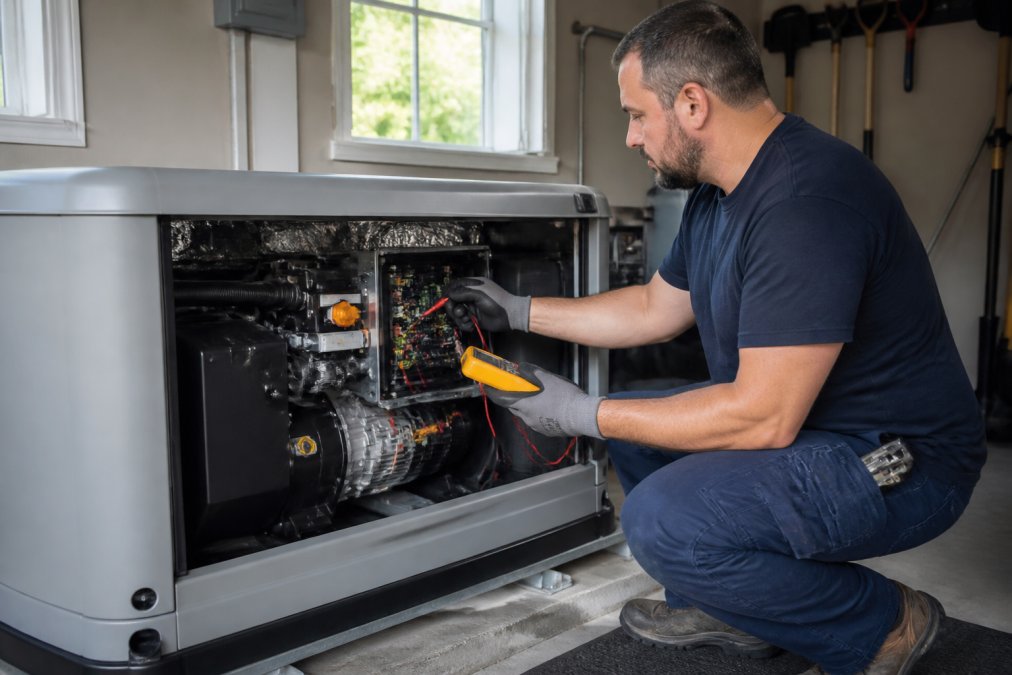
Starting Failure and Engine Problems
A generator that won't start is the most visible failure, but the cause isn't always obvious. The engine might crank without firing, fail to turn over, or start briefly then shut down.
Start with the basics: fuel level and freshness. Old gasoline breaks down and leaves varnish deposits in the carburetor. If your generator has sat for more than three months without running, stale fuel is the most likely culprit. Drain the tank, add fresh fuel with stabilizer, and try starting again. If that doesn't work, check the battery. A weak or dead battery prevents the starter motor from turning the engine. A healthy battery reads 12 volts or higher when the engine is off (the CDC). If it's lower, charge it fully and try again.
If fuel and battery check out, inspect the spark plug, air filter, and oil level. A fouled spark plug won't ignite the fuel mixture, remove it and replace if corroded. A clogged air filter restricts oxygen flow, hold it up to light; if you can't see through it, replace it. Low oil triggers a shutdown switch on many generators as a safety feature. Check the dipstick and top off if necessary.
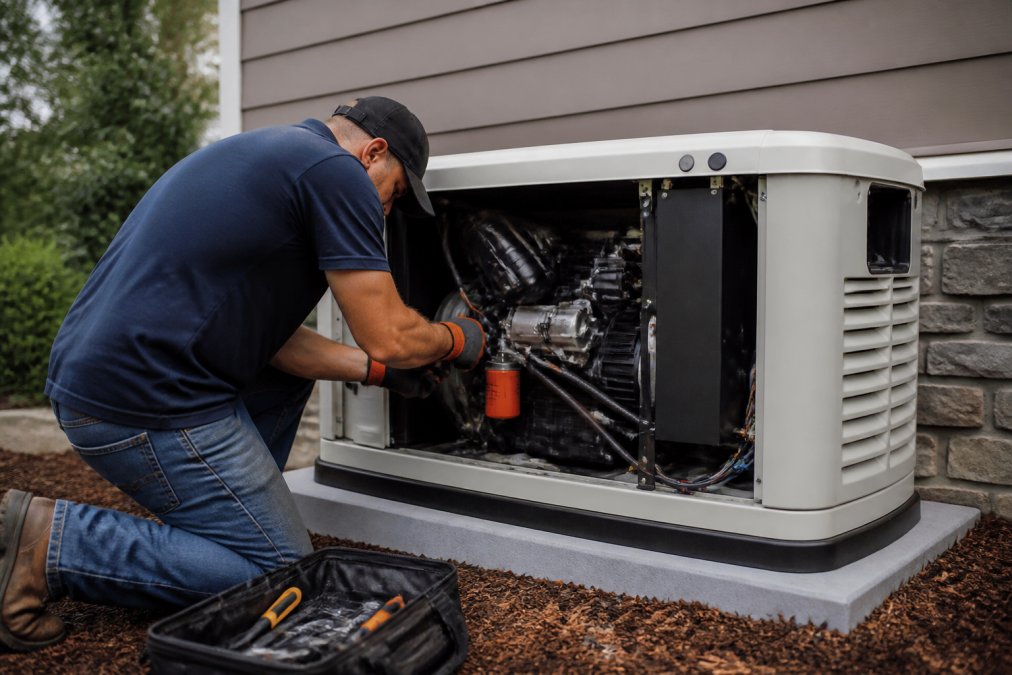
When these steps don't restore operation, the issue has moved into professional territory. A faulty starter motor, failed alternator, compromised fuel pump, or internal engine problem requires specialized diagnostic equipment and expertise.
Transfer Switch and Automatic Activation Issues
A transfer switch automatically disconnects your home from the grid and connects it to the generator when power fails. If the switch doesn't activate, your backup system isn't protecting you.
Check the transfer switch control panel for error codes or warning lights. Many modern switches display fault messages indicating what went wrong, a low battery signal, frequency mismatch, or communication failure. Write down any error code and contact a professional with that information.
Test the manual override if your switch has one. If the manual override works but automatic mode doesn't, the issue is in the automatic sensing circuit. This requires a licensed technician to diagnose and repair.
If the switch doesn't respond at all, check the power supply to the control panel. Some transfer switches require a 120-volt connection to operate. Verify the breaker hasn't tripped. If it has and trips again immediately, there's an electrical fault requiring professional attention.
Fuel System and Battery Maintenance Problems
Fuel system failures often develop slowly. Sediment accumulates in the tank, water condenses in stored fuel, and fuel lines can crack or become brittle.
Drain the fuel tank at least once a year. Replace the fuel filter. If your generator has a fuel pump, listen for a brief hum when you turn on the ignition, that's the pump priming the fuel line. If you don't hear it, the pump may have failed.
Battery issues are equally predictable. Check the battery terminals for white or blue corrosion. If present, disconnect the battery, clean the terminals with a wire brush, and reconnect. Charge the battery fully. If the battery won't hold a charge, it needs replacement.
Many generators include a battery charger that maintains the charge automatically. Make sure it's powered and functioning. If the charger isn't working, the battery will discharge within weeks.
DIY vs. Professional Repair: Where to Draw the Line
Knowing which repairs you can handle yourself and which ones demand professional expertise protects both your safety and your investment. The line is determined by three factors: electrical safety, equipment requirements, and warranty implications.
DIY-friendly repairs involve replacing consumables and checking simple systems. Changing the oil, replacing spark plugs, cleaning air filters, and inspecting fuel levels fall into this category. These tasks use basic tools, carry minimal electrical risk, and are documented in your generator's manual.
Professional-only work includes anything involving the engine's internal components, the electrical system beyond simple connections, fuel system repairs, or transfer switch diagnostics. A failed starter motor, broken fuel pump, or malfunctioning automatic transfer switch requires specialized knowledge, diagnostic equipment, and often proprietary parts. Attempting these repairs risks damaging the system further, creating safety hazards, or invalidating your warranty.
Never work on the fuel system or electrical components while the generator is running or warm. Fuel is flammable, and electrical components can deliver a serious shock. If you're uncomfortable working on any part of your generator, call a professional.
Understanding the Cost of Whole House Generator Repair
Repair costs vary widely based on what's broken and how long the generator has been in service. A basic diagnostic visit from a licensed technician establishes what's wrong. From there, costs depend on the specific failure. Simple fixes like oil changes, spark plug replacement, or fuel filter changes run lower. More complex repairs involving the fuel system, electrical components, or engine internals cost significantly more.
BEARS Electric provides transparent pricing with no hidden fees. You receive a detailed estimate before work begins. When evaluating repair costs, consider the generator's age and condition. A generator more than 15 years old with no regular maintenance may face repeated failures. In that case, replacement might be more economical than repeated repairs.
Standby Generator Maintenance Checklist for Long-Term Performance
Preventive maintenance keeps your generator reliable and extends its lifespan.
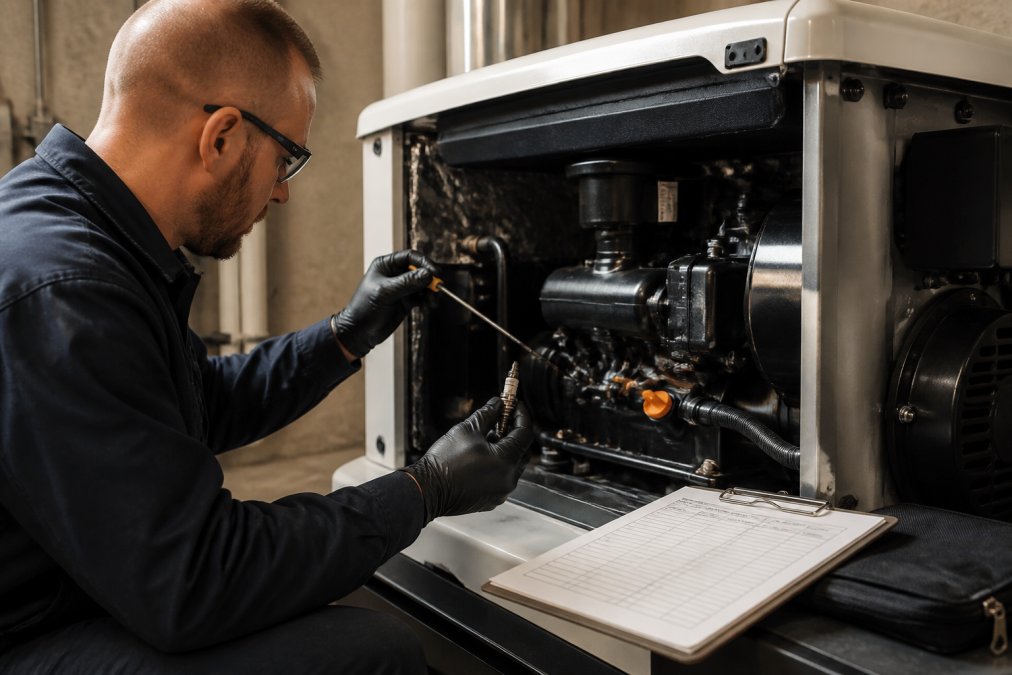
Monthly and Quarterly Checks
Run your generator under load at least once a month for 15-20 minutes (fema.gov). This prevents fuel system degradation, keeps the battery charged, and confirms the system responds to your manual controls. Listen for unusual noises, check for fuel leaks, and verify the control panel displays normally.
Check the fuel level monthly and confirm the fuel is fresh. Add fuel stabilizer if the tank will sit unused for more than a month. Every three months, inspect the battery terminals for corrosion and verify the battery charger is powered. Check the oil level and top it off if needed. Inspect the air filter visually and replace it if clogged.
Annual Professional Inspection and Load Bank Testing
Once a year, schedule a professional inspection with a licensed technician. This visit includes a full system check, oil and filter change, spark plug inspection or replacement, fuel system cleaning, and transfer switch diagnostics.
A critical part of annual service is load bank testing. This test runs the generator at full capacity under controlled conditions, confirming it can deliver the power your home needs. Load bank testing also burns carbon deposits from the engine and exercises all electrical systems.
How Long Does a Home Generator Last and When to Replace
Most standby generators are designed to last 20-25 years with proper maintenance (energy.gov). Actual lifespan depends heavily on how well the system is maintained and how frequently it's used.
A generator that receives annual professional service, monthly operational tests, and prompt repairs often reaches 25 years or beyond. A neglected generator might fail within 10-15 years.
Watch for these replacement indicators: the generator is more than 20 years old, it requires more than one major repair per year, parts are becoming difficult to source, the engine has logged more than 10,000 hours, or the system no longer meets your home's electrical demands. When replacement is necessary, BEARS Electric handles the full installation, from site assessment and sizing to permit applications and transfer switch setup.
Post-Repair Performance Testing and System Calibration
After any professional repair, your generator should undergo performance testing to confirm the fix was successful and the system is ready for the next power outage.
A proper post-repair test includes a manual start test, a load test under controlled conditions, and transfer switch activation verification. The technician confirms the generator reaches proper voltage and frequency, the transfer switch responds to the activation signal, and the system transitions smoothly between grid power and generator power.
Keep records of all service visits, repairs, and test results. These records prove your generator has been maintained and was operational when a power outage occurred.
Preventive Maintenance Plans and 24-Hour Emergency Support
The most reliable approach to generator ownership is preventive maintenance combined with emergency support when unexpected failures occur. A typical annual maintenance plan includes two professional service visits per year, load bank testing, parts replacement as needed, and priority emergency response. BEARS Electric offers same-day service whenever possible, recognizing that backup power is a necessity during outages.
Preventive maintenance plans make financial sense because they prevent the expensive emergency repairs that come from neglected systems. A generator that receives regular oil changes, fuel system cleaning, and load bank testing rarely fails unexpectedly. The small investment in prevention saves thousands in emergency repair costs and the stress of losing backup power during a critical outage.
Frequently Asked Questions
Q: What are the most common signs that a whole house generator needs professional repair?
A: Watch for starting failures, where the generator won't activate during a power outage or test run. Unusual noises, visible fuel leaks, and problems with automatic transfer switch activation are red flags. If your generator produces less power than expected or the control panel shows error codes, contact a licensed technician immediately. Voltage regulation issues and wiring integrity problems also require professional inspection to prevent electrical fires or equipment damage.
Q: How much does whole house generator repair typically cost?
A: Repair costs vary widely based on the specific issue, your generator's age, and whether parts need replacement. Simple fixes like spark plug replacement or battery maintenance are less expensive than fuel system repairs or transfer switch diagnostics. Emergency service costs more than scheduled repairs. Get a free quote from a certified repair service to understand your exact costs without hidden fees. Transparent pricing ensures you know what to expect before work begins.
Q: Can I perform DIY maintenance on my standby generator, or do I need a professional?
A: Basic tasks like checking fuel levels, inspecting for visible damage, and running monthly test cycles are safe for homeowners. However, oil changes, spark plug replacement, battery maintenance, and any electrical work require a licensed technician. Transfer switch diagnostics, load bank testing, and system calibration demand professional expertise. Improper repairs can void your warranty and create safety hazards. Annual professional inspection keeps your backup power system reliable and safe.
Q: How long does a home generator last before I need to replace it?
A: Most whole house generators last 15-20 years with proper maintenance. Lifespan depends on usage frequency, fuel quality, and how well you follow preventive maintenance schedules. Generators used during frequent power outages may need replacement sooner than those rarely activated. Annual service contracts and regular load bank testing extend your system's life. If repairs exceed 50% of replacement cost or your generator is over 15 years old, replacement often makes more financial sense than ongoing repairs.
A whole house generator only protects your home if it works when you need it. Regular maintenance, professional diagnostics, and prompt repairs keep your system reliable. When your generator needs attention, BEARS Electric provides transparent pricing, expert technicians, and same-day service whenever possible. Get a free quote today and ensure your backup power system is ready for the next outage.
This article was written using GrandRanker