 how-to
Is Same-Day Electrical Service Possible? A How-To Guide
Table of Contents
- Is Same-Day Electrical Service Possible?
- What Is Considered an Electrical Emergency
- Steps to Get Same-Day Electrical Repair
- How to Find a Licensed Electrician for Urgent Repairs
- Understanding Emergency Electrical Service Cost
- Safety Hazards of DIY Electrical Work
- When Same-Day Service May Not Be Possible
- Conclusion
Last Updated: August 27, 2026
Is Same-Day Electrical Service Possible?
Yes, same-day electrical service is possible and increasingly available for homeowners facing urgent problems. The key is knowing which issues qualify as emergencies, contacting a licensed electrician immediately, and understanding what to expect. At BEARS Electric, we prioritize rapid response for homeowners in our service area. Whether you're dealing with a tripping breaker, sparking outlet, or complete power loss, understanding your options can mean the difference between a quick fix and a serious safety hazard.
Same-day service depends on the problem's nature, your location, contractor availability, and whether it truly qualifies as an emergency. Genuine emergencies, those involving fire risk, shock hazard, or total power loss, are typically prioritized and receive same-day attention.
What Is Considered an Electrical Emergency
An electrical emergency is any situation where faulty wiring, damaged components, or power failures create immediate safety risk or make your home uninhabitable (nfpa.org). Understanding the distinction helps you get appropriate help without unnecessary expense.
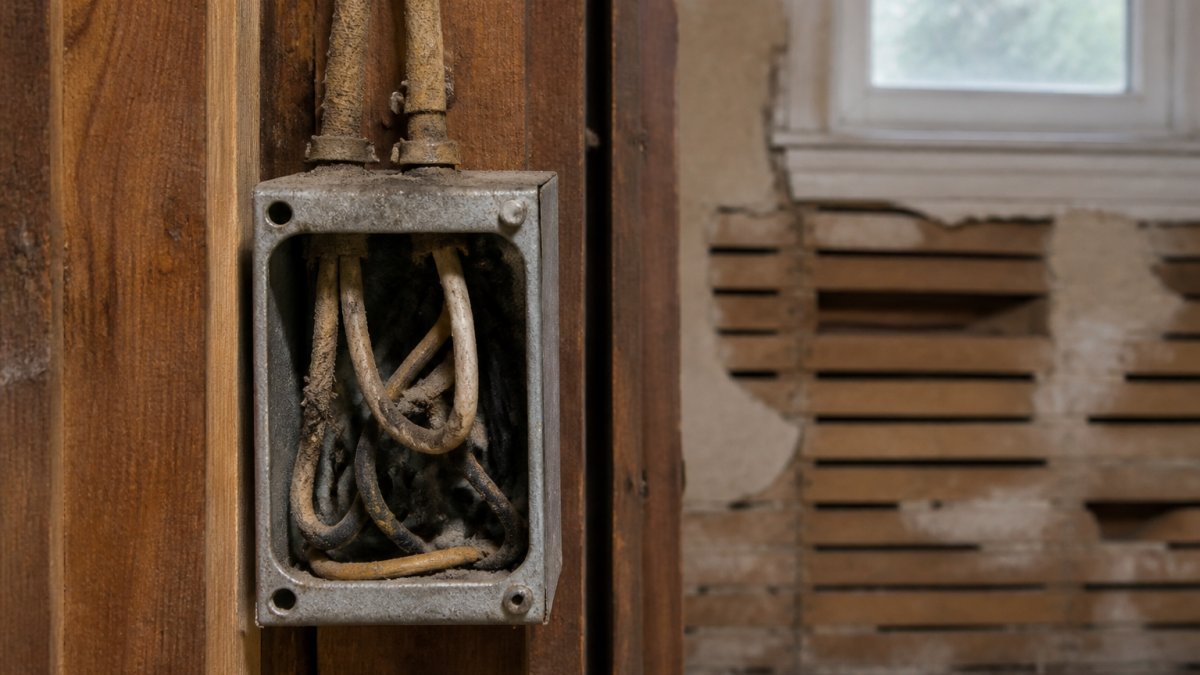
Common issues requiring immediate attention include sparking outlets (indicating arcing and fire risk), tripping breakers that won't reset (suggesting overload or short circuit), burning smells from outlets or panels (signaling insulation damage), complete power loss, exposed wiring, and water exposure to electrical systems. These pose genuine hazards and warrant emergency service.
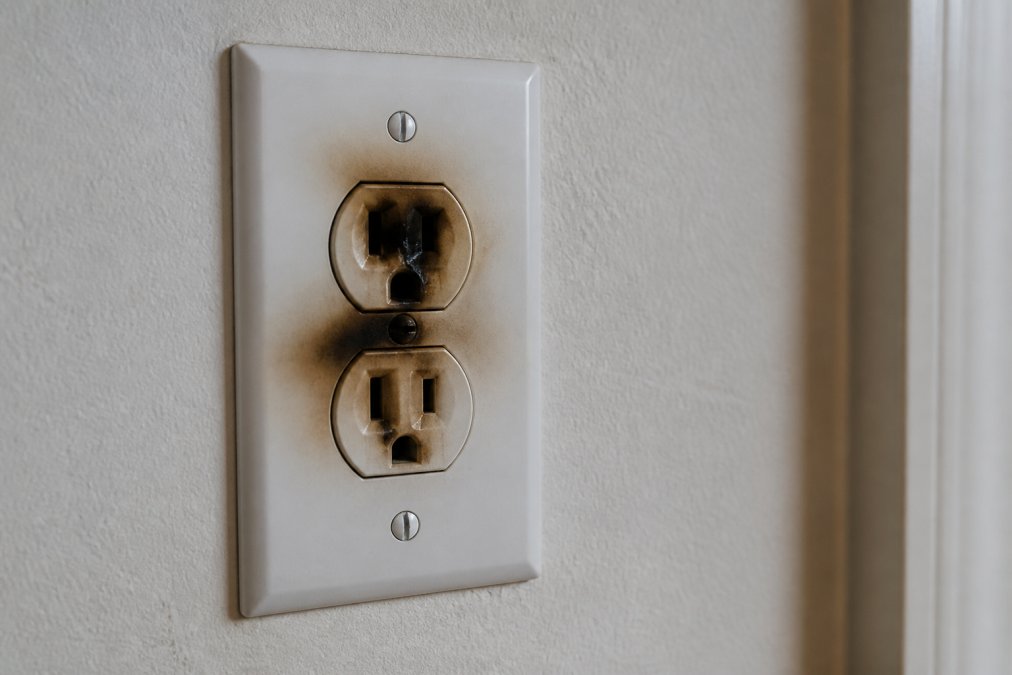
Common Electrical Issues Requiring Immediate Attention
Sparking outlets and melted outlets represent serious fire hazards. Sparks mean electricity is arcing across a gap, generating extreme heat that can ignite nearby materials (cpsc.gov). Melted or blackened outlets indicate this process has already caused damage.
Tripping breakers that repeatedly flip off suggest overcurrent or a short circuit. A breaker that trips once and resets is normal; one that trips repeatedly or won't reset at all indicates a serious fault requiring professional assessment.
Burning smells from outlets, switches, or the electrical panel indicate overheating insulation or failing components, an immediate warning sign of fire risk.
Complete power loss to your entire home or large sections could indicate a problem at the meter, main panel, or service line. This is an emergency because you've lost power to essential systems like heating, cooling, refrigeration, or medical equipment.
Loose neutral wires cause voltage fluctuations throughout your home. You might notice lights dimming and brightening randomly or appliances behaving erratically. A loose neutral at the service entrance creates serious fire risk.
Water exposure to electrical systems from flooding, burst pipes, or roof leaks creates immediate shock and fire hazards. Do not attempt to use electrical systems in wet environments.
Steps to Get Same-Day Electrical Repair
Getting same-day service requires acting quickly, determining whether your situation truly qualifies as an emergency, and taking specific safety steps before the electrician arrives.
Step 1: Determine If Your Issue Is a True Emergency vs. a Nuisance Problem
True emergencies involve immediate fire risk, shock hazard, or loss of essential power:
- Active sparking or arcing at an outlet, switch, or breaker
- Burning smell from outlets, switches, or the electrical panel
- Melted or blackened outlets or switches
- Complete power loss to your entire home or major sections
- Breaker that won't reset at all
- Water exposure to electrical systems
- Exposed or damaged wiring
- Loose neutral wire symptoms (lights dimming/brightening randomly, burning smell at service panel)
Nuisance problems that can wait for regular business hours:
- A single outlet not working when others on the same circuit function normally
- A breaker that trips once when using a specific appliance, then resets normally
- Dim lighting in one room without burning smell or visible damage
- A switch that doesn't work
Step 2: Take Immediate Safety Actions
If you see sparks or smell burning:
- Do not touch the outlet, switch, or breaker.
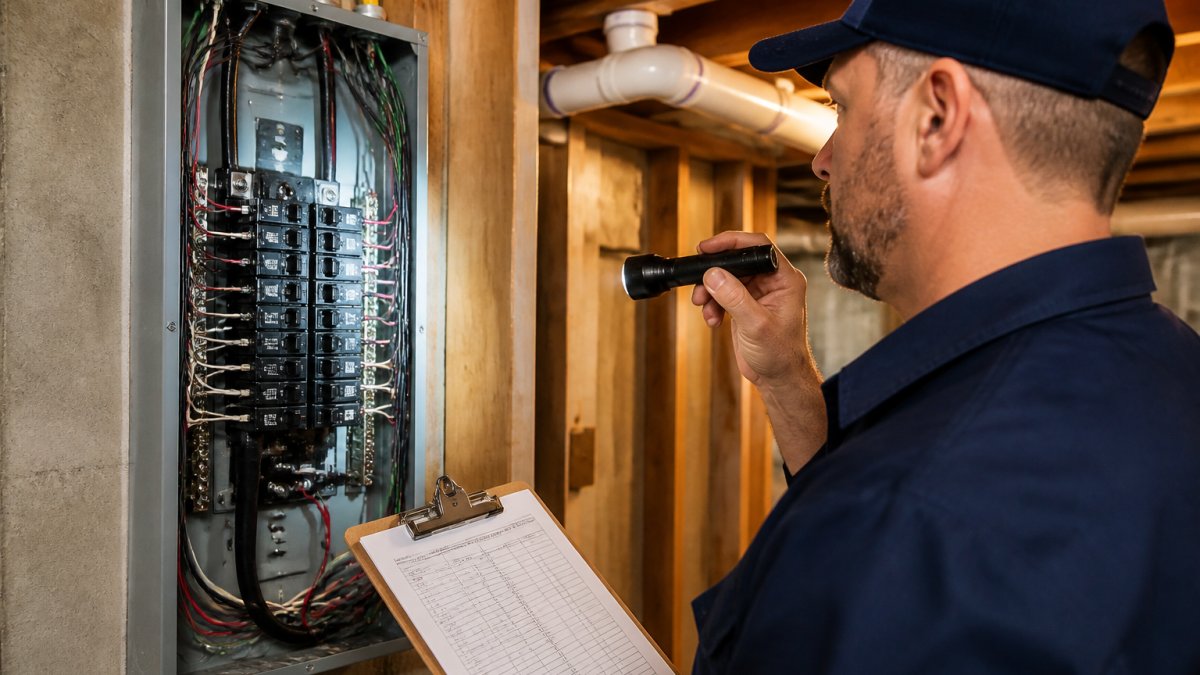
- Turn off power to that circuit at the breaker panel if you can do so safely. Locate your breaker panel, identify the breaker controlling the problem circuit, and flip it to OFF.
- If you cannot safely reach the breaker panel, turn off the main breaker to cut power to your entire home.
- Do not attempt to unplug an appliance if the outlet is sparking or melted.
- If there is active fire or smoke, leave your home immediately and call 911.
If you've lost all power:
- Check whether your neighbors have power. If they do, the problem is at your service entrance; call an electrician. If they don't, call your utility company's emergency line.
- Do not reset the main breaker repeatedly if it keeps tripping.
- If you have medical equipment requiring power, inform the electrician immediately when you call.
If water has contacted electrical systems:
- Do not touch wet electrical equipment, outlets, or switches.
- Do not stand in water near electrical systems.
- Turn off power to affected circuits at the breaker panel if you can do so safely.
- If the entire area is flooded, turn off the main breaker from a safe location.
- Do not use electrical systems in the wet area until inspected and dried by a professional.
Document what you observe:
Before calling, note:
- Exactly what you're seeing or smelling (sparks, burning smell, melted outlet, etc.)
- When it started
- Whether the problem is isolated to one outlet or affecting multiple circuits
- Any unusual sounds (buzzing, crackling, humming)
- Whether anyone has received a shock or felt tingling
- Recent events (lightning strike, power surge, water exposure, new appliance installation)
Step 3: Contact a Licensed Electrician Immediately
Call during business hours if possible, you'll reach someone faster and same-day service is more likely. If it's after hours and you have a genuine emergency, call the emergency line.
When you call, provide:
- Your address and phone number
- A specific description of the problem ("I see sparks coming from the kitchen outlet")
- Any safety hazards observed (burning smell, melted components, water exposure)
- When the problem started
- Ask directly: "Can you send someone today?"
Ask these specific questions:
- Are you licensed and insured?
- Do you offer same-day emergency service?
- What is your typical response time?
- Do you provide a written estimate before starting work?
- What is your service call fee, and will it be waived if I proceed with repairs?
- What is your hourly rate for emergency calls?
A professional contractor will answer these directly. If your primary contractor can't respond same-day, ask for a referral or call another licensed electrician.
Step 4: Prepare Your Home for the Visit
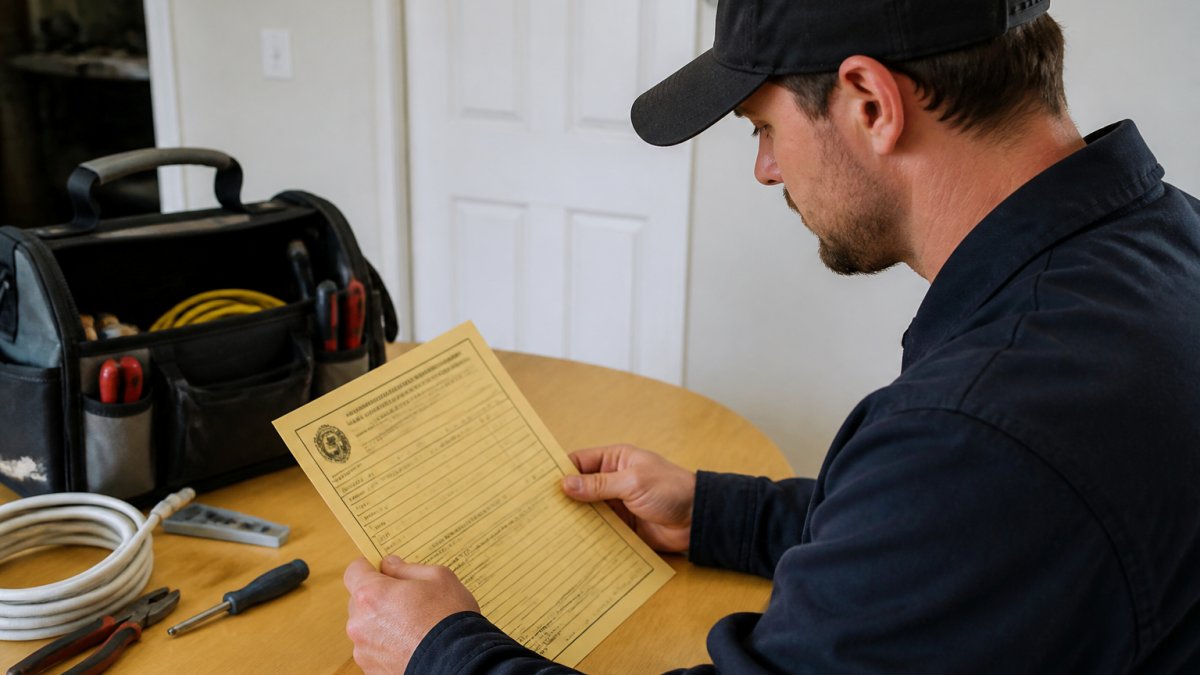
Clear access to your electrical panel, breaker box, or the problem area. Secure pets in another room to prevent distractions. Have your home's age and any electrical documentation available: previous repair records, panel upgrade history, or knowledge of recent work.
If you've turned off power to a circuit or the main breaker, let the electrician know immediately when they arrive.
Step 5: Understand What to Expect During the Service Call
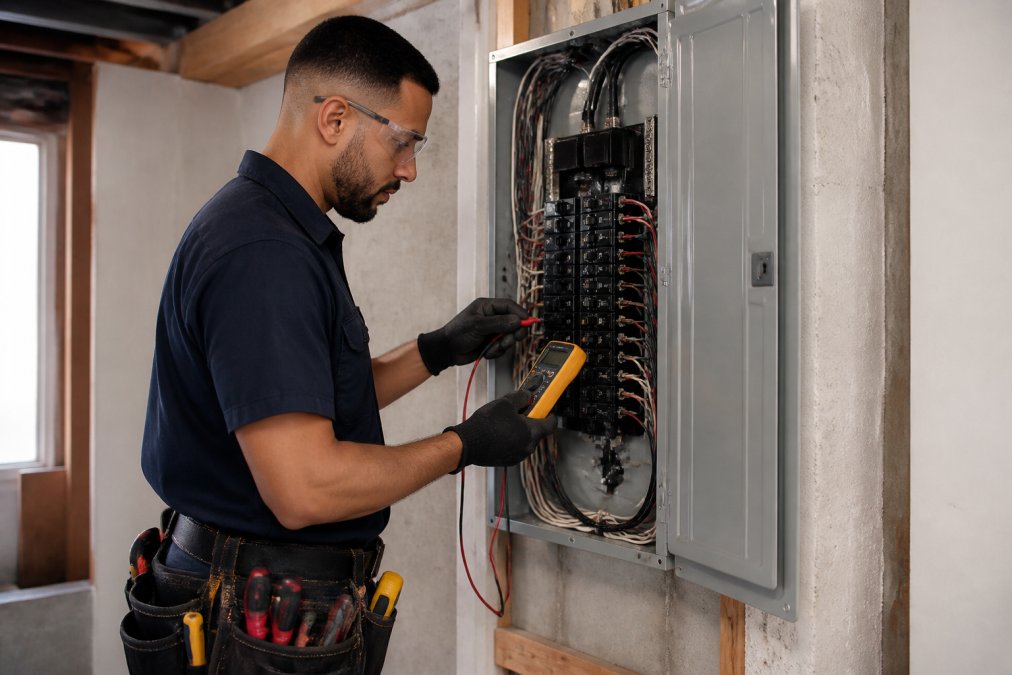
The electrician will begin with diagnostic assessment, using testing equipment to measure voltage, check for shorts, and identify the root cause. This typically takes 30 minutes to an hour for straightforward issues.
They'll explain what they found and discuss repair options. For some problems, a tripped breaker, failed outlet, loose connection, the fix is quick and can be completed during the same visit. For others, a failing panel, extensive rewiring, or parts that need ordering, same-day repair may not be possible, but the electrician can stabilize the situation and schedule follow-up work.
Before work begins, ask for a written estimate itemizing the service call fee, labor hours and rate, and parts cost.
How to Find a Licensed Electrician for Urgent Repairs
Start with local recommendations: ask neighbors, check online reviews, and contact contractors you've used before. When you call, verify the electrician is licensed in your state, this is non-negotiable for safety and legal reasons.
Search online for "emergency electrician" plus your city or region. Read reviews carefully, paying attention to response time and professionalism. Check the Better Business Bureau rating if available.
When you call, ask: Are you licensed and insured? Do you offer same-day service? What's your typical response time for emergencies? Do you provide transparent pricing before starting work? Can you provide references?
BEARS Electric serves homeowners in Bristol and surrounding areas with same-day emergency service when possible. Our team is licensed, insured, and committed to transparent pricing and rapid response.
Understanding Emergency Electrical Service Cost
Emergency electrical service costs break down into three components: service call fee, labor charges, and parts.
Service Call Fee
Most licensed electricians charge a flat service call fee for the diagnostic visit. Some contractors waive this fee if you proceed with repairs on the same day; others apply it toward the final bill. Always ask about this policy when you call.
Labor Rates
Standard daytime labor rates vary. After-hours emergency service often carries a higher hourly rate. Holiday service may also include an additional surcharge.
Parts and Materials
Parts costs depend on what's wrong. A failed outlet, a new circuit breaker, or new lugs and connectors for a loose neutral wire will each have different costs. A failing main breaker could also have a different cost in parts alone.
Total Cost Examples
For a sparking outlet diagnosed and replaced same-day, a tripping breaker requiring a new circuit breaker, or a loose neutral wire at the main panel, the total cost will depend on the service call fee, labor hours and rate, and parts cost. After-hours emergency surcharge would add to labor costs.
Transparent Pricing Protection
Before any work begins, a professional electrician should provide a written estimate itemizing the service call fee, hourly labor rate, estimated hours, and parts cost. If the electrician cannot provide an estimate before starting work, that's a red flag. A contractor who hesitates to answer pricing questions directly is not operating with transparency.
Insurance and Warranty Considerations
Reputable contractors carry liability insurance and workers' compensation insurance. Ask to see proof of insurance before work begins. Many contractors warranty their work for 1-2 years, meaning if the same problem recurs due to faulty installation, they'll fix it at no charge.
Safety Hazards of DIY Electrical Work
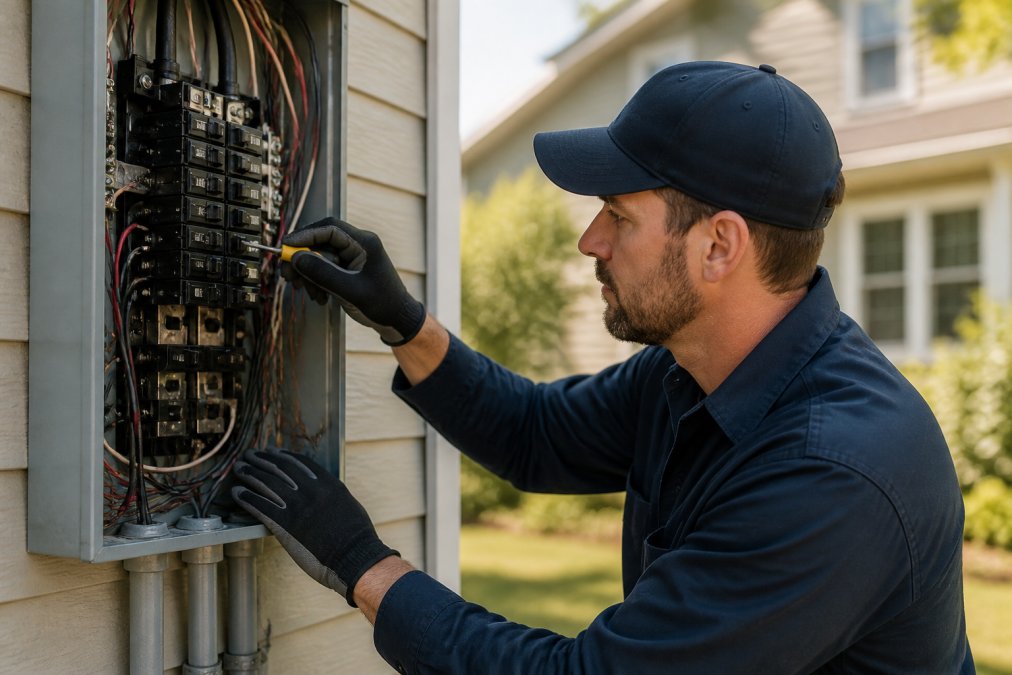
Attempting electrical repairs yourself is dangerous and often illegal without proper licensing. Household voltage, 120 or 240 volts, can cause serious injury or death (osha.gov). Even experienced electricians use specialized equipment and follow strict safety protocols.
DIY electrical work creates multiple hazards: electrocution risk, fire risk from incorrect connections, code violations that create liability and insurance issues, and the possibility of creating worse problems. Your homeowner's insurance may not cover damage or injuries resulting from unpermitted DIY electrical work. If an electrical fire occurs and investigators find unlicensed work was done, your claim could be denied.
Licensed electricians carry insurance and follow electrical codes. When an electrical emergency happens, hiring a professional protects your safety and your home.
When Same-Day Service May Not Be Possible
Same-day service isn't always possible, even for genuine emergencies. If multiple contractors are handling other emergencies, response times may be longer. If the problem requires parts that aren't in stock or specialized components for older panels, the diagnostic visit might happen same-day, but the full repair could take longer.
Some problems require permits and inspections before completion. Panel upgrades, major rewiring, or service entrance work typically need permits. The inspection process can't be rushed, so even urgent work may span multiple days.
If your electrical panel is very old or has unusual components, the electrician might need to consult with suppliers or specialists before proceeding.
Weather can also affect service availability. During or immediately after storms, electricians are overwhelmed with emergency calls, and wait times may be longer.
In these situations, a professional electrician will stabilize the immediate hazard if possible, turning off power to a dangerous circuit or isolating a failing component, and schedule the full repair for the next available appointment.
Frequently Asked Questions
Q: What is considered an electrical emergency?
A: An electrical emergency includes situations that pose immediate safety risks: sparking outlets, melted outlets, tripping breakers that won't reset, power outages affecting your whole home, loose neutral wires causing voltage fluctuations, burning smells from outlets or panels, and exposed wiring. These hazards can lead to electrical fires or serious injury. If you're unsure whether your situation qualifies, contact a licensed electrician immediately rather than waiting, erring on the side of caution protects your home and family.
Q: How much does emergency electrical service cost?
A: Emergency electrical service costs vary based on the issue's complexity, time of day, and your location. Many licensed contractors charge a service call fee that includes an initial inspection. Actual repair costs depend on the specific problem, a simple breaker reset may cost far less than rewiring or panel upgrades. Transparent pricing is essential: ask your electrician for an upfront estimate before work begins. BEARS Electric and other reputable contractors provide no hidden fees and clear pricing breakdowns so you know exactly what to expect.
Q: How do I find a licensed electrician for urgent repairs?
A: Start by searching for licensed electricians in your area offering 24/7 emergency service. Verify their credentials: confirm they hold a valid electrician's license, carry liability insurance, and maintain good standing with the Better Business Bureau. Check online reviews and ask for references. Call multiple contractors to compare response times and pricing. When you contact them, ask about their average dispatch time and whether they offer same-day service. Licensed contractors comply with electrical code and safety standards, protecting your home from hazardous wiring and future problems.
Q: Is same-day electrical service possible for non-emergency repairs?
A: Same-day service for non-emergency repairs depends on the electrician's current workload and the job's complexity. Many licensed contractors prioritize emergency calls but can accommodate non-urgent repairs the same day if they have availability. Simple tasks like installing light fixtures or outlet repairs often fit into same-day schedules. More complex work like panel upgrades or rewiring may require scheduling in advance. Contact your electrician directly to discuss your timeline, being flexible about timing can sometimes get you faster service, and asking about their current queue helps set realistic expectations.
Electrical emergencies demand fast, professional response. When you face a sparking outlet, tripping breaker, or complete power loss, contacting a licensed electrician immediately is the right move. BEARS Electric offers same-day emergency service in Bristol and surrounding areas, with transparent pricing, licensed technicians, and a satisfaction guarantee. Get a free quote and let our team handle your urgent electrical needs safely and efficiently.
This article was written using GrandRanker