 how-to
How to Safely Reset a GFCI Outlet That Keeps Tripping
Table of Contents
- What You'll Need Before You Reset a GFCI Outlet
- Step 1: Unplug Everything and Reset a GFCI Outlet the Right Way
- Why a GFCI Outlet Won't Reset: What the Buttons Are Telling You
- When a GFCI Trips With Nothing Plugged In
- GFCI Outlet Troubleshooting: Tracing the Fault Step by Step
- When to Replace a GFCI Outlet Instead of Resetting It
- Mistakes to Avoid When a GFCI Keeps Tripping
- Frequently Asked Questions
Last Updated: October 4, 2026
What You'll Need Before You Reset a GFCI Outlet
A GFCI outlet that keeps tripping is doing its job. The question is why it keeps finding a fault. Before you reset a GFCI outlet, gather a few basics so you can test safely and learn what the device is telling you.
A GFCI (ground fault circuit interrupter) is a safety device that cuts power within a fraction of a second when it detects current leaking outside its intended path. That leak can travel through water, a person, or damaged insulation. The trip is the protection working, not the problem.
Here is what to have on hand:
- A flashlight or headlamp
- A plug-in lamp or small appliance you know works
- Dry hands and a dry workspace
- A phone to note which outlets lose power
At BEARS Electric, we get calls from homeowners across Bristol, Southington, Plainville, and the surrounding towns when an outlet will not stay on. Sometimes it points to wiring that needs a licensed electrician.
Step 1: Unplug Everything and Reset a GFCI Outlet the Right Way
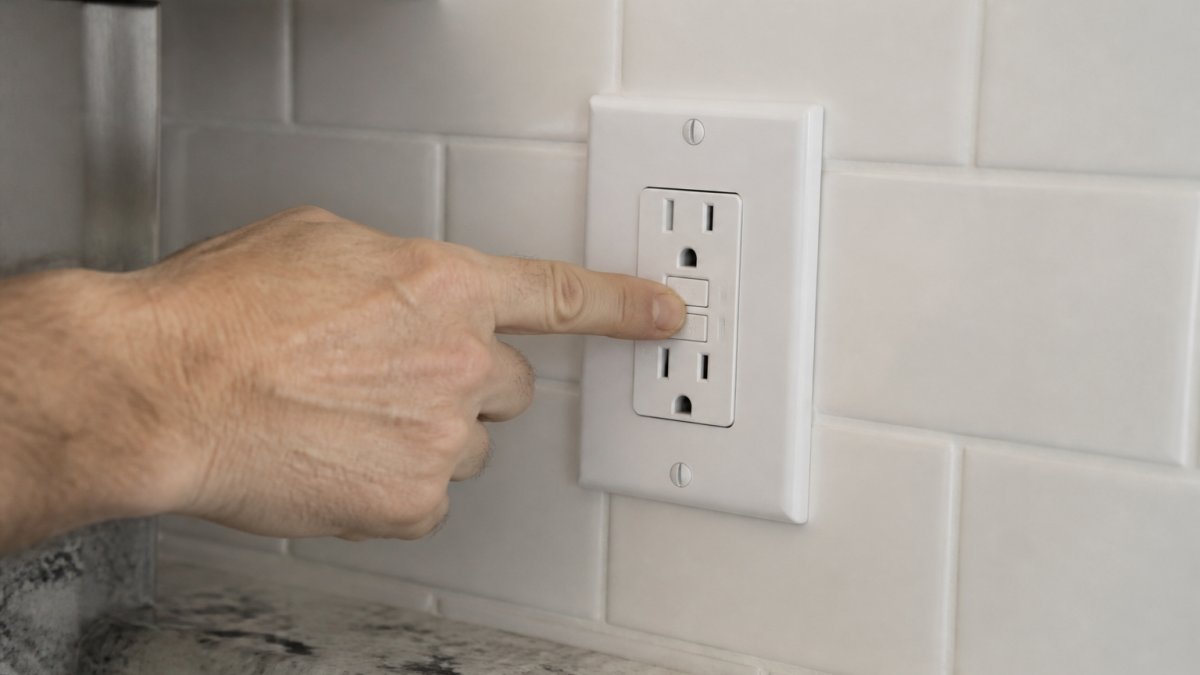
Unplug every device from the outlet and from any outlets downstream of it. Then press the RESET button firmly until you feel or hear a click. If power returns and holds, the trip was likely caused by a device or a temporary moisture issue.
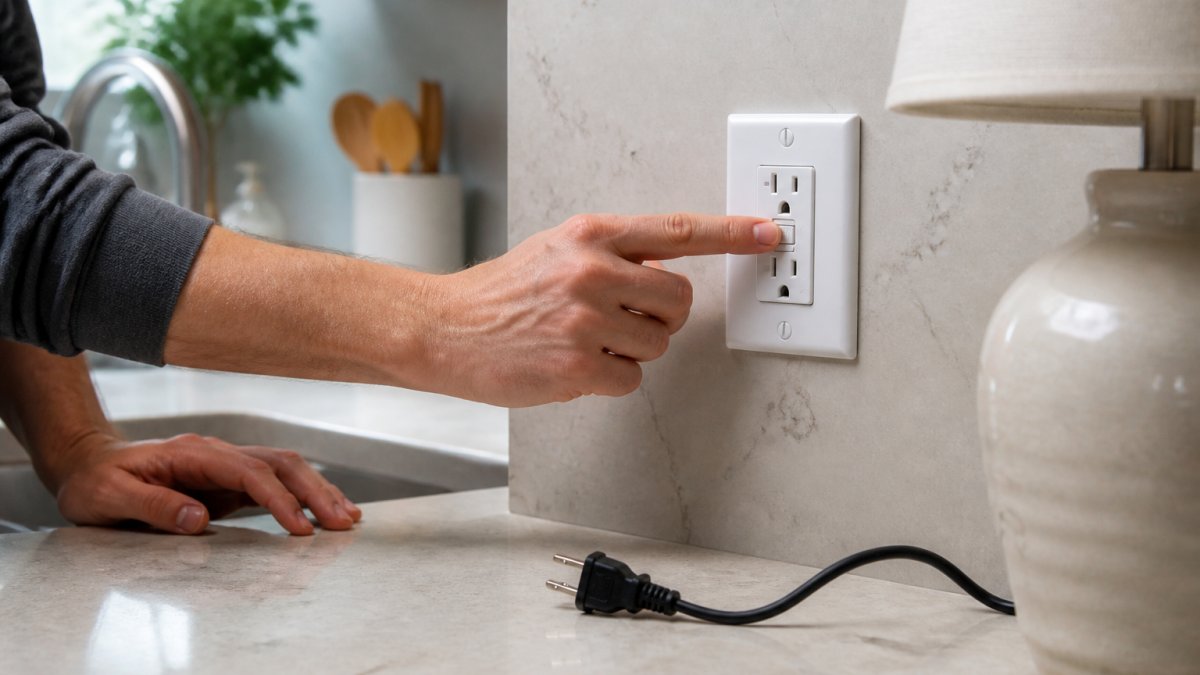
Follow these steps in order:
- Unplug all cords from the GFCI and nearby outlets.
- Press RESET firmly. You should feel a click.
- Plug in one lamp to test.
- If it holds, add devices back one at a time.
- If it trips again, note which device caused it.
The order matters. If you reset with a faulty appliance still plugged in, the GFCI trips again and you learn nothing.
Why a GFCI Outlet Won't Reset: What the Buttons Are Telling You
The buttons are a diagnostic tool. A GFCI that will not reset is telling you it still senses a fault, or that the device itself has failed. The two buttons behave differently, and the difference points you toward the cause.
The Reset Button Won't Stay In
If the RESET button pops back out the moment you release it, the GFCI still detects a ground fault. Something on the circuit is leaking current. Unplug everything downstream and try again. If it still will not hold with nothing plugged in, the fault is in the wiring or the device.
No Power at the Outlet and No Click at All
No click and no power often means the GFCI has no incoming power. Check the circuit breaker at the panel first. If the breaker is on but the outlet is dead, the GFCI may have reached the end of its life. These devices do wear out.
When a GFCI Trips With Nothing Plugged In
A GFCI that trips with nothing plugged in is flagging a problem in the circuit itself, not in your appliances. This is the case where homeowners should stop and think before resetting again. Each reset sends power back into a circuit that may have a genuine fault.
Common causes include:
- Moisture inside the electrical box
- Damaged insulation letting current leak
- Loose wiring connections at the outlet
- A failing GFCI device
- A shared neutral or miswired downstream outlet
Visual Identification: What a Failing Outlet Looks Like
Most guides describe the smell but never tell you what to look for. Before you reset again, inspect the outlet and the wall around it:
- Discoloration, brown or black staining on the faceplate or the wall plate screws
- Melting or warping, a faceplate that is soft, bubbled, or no longer sits flat
- Charring, blackened edges around the slots or the mounting screws
- Heat marks, a faint scorch ring where the plug meets the outlet
- Corrosion or green residue, often a sign of moisture intrusion
- A loose or wobbly device, the outlet moves when you plug something in
If you see any of these, stop. Do not reset. Call a licensed electrician. We see these across Terryville, Plymouth, and Burlington.
Distinguishing the Smell
Not every odor means the same thing. A quick comparison helps you avoid a false alarm or, worse, ignore a real one:
- Burning plastic, sharp, acrid, chemical. This is the classic electrical smell and points to overheating insulation or a melting device.
- Fishy odor, often overheated plastic or a failing component; treat it as electrical until proven otherwise.
- Musty or earthy, usually mold or damp drywall, not an electrical fault, though moisture can still be the root cause of a tripping GFCI.
- Metallic or hot-metal smell, arcing or a failing connection; take it seriously.
When in doubt, treat a smell as electrical. A false alarm costs you a service call. Ignoring a real one can cost far more.
GFCI Outlet Troubleshooting: Tracing the Fault Step by Step
GFCI outlet troubleshooting means working from the device outward, one variable at a time. The goal is to isolate where the fault lives before you reset again. Randomly pressing RESET teaches you nothing; a methodical sequence narrows the fault to a device, a downstream outlet, or the wiring itself.
Step 1: Isolate the Load
Unplug every device from the GFCI and from every outlet it protects. Then reset. If it holds with nothing plugged in, the fault is in a device or appliance, not the wiring. If it trips with nothing plugged in, the fault is in the circuit.
Step 2: Map the Downstream Outlets
One GFCI often protects several regular outlets wired after it on the load side. These are downstream outlets, and a fault in any of them can trip the GFCI. To find them, plug a lamp into each nearby outlet and trip the GFCI with its TEST button. Any outlet that loses power is downstream of that GFCI.
Step 3: Test Devices One at a Time
With the circuit mapped, plug devices back in one at a time, resetting between each. The device that trips the GFCI is your culprit. Move it to a different GFCI-protected circuit to confirm. If it trips there too, the device is faulty. If it holds, the problem is in that specific outlet or its wiring.
Step 4: Check for Moisture and Physical Damage
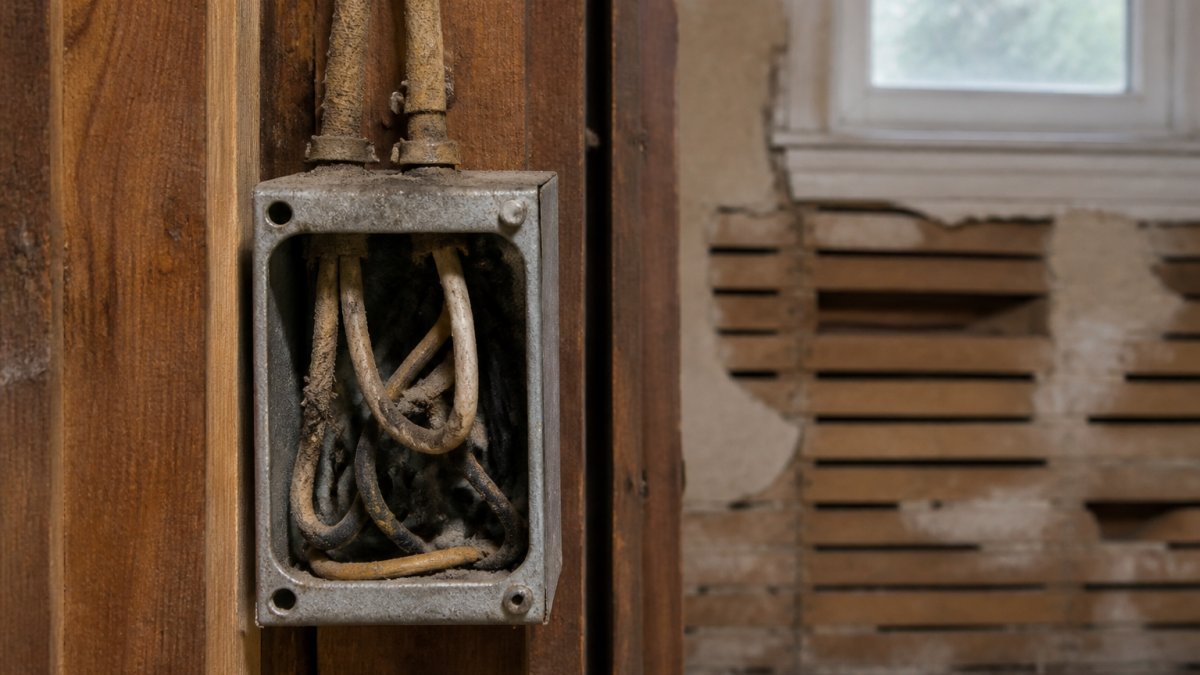
Moisture is the most common trigger in kitchens, baths, garages, and laundry areas. Damp air, a slow leak, or a splash can push current where it should not go. Damaged insulation and loose wiring connections cause the same result. A wire that has rubbed through its insulation, or a terminal that has worked loose, lets current escape. Over time this can cause arcing and heat.
Look for these signs at every outlet on the circuit:
- Scorched marks or charring around the outlet
- Melting plastic or a burnt smell
- A warm faceplate
- Buzzing or crackling sounds
- Discolored or brittle wire insulation behind the device
Any of these mean stop and call a licensed electrician. We handle these calls daily across New Britain, Farmington, and Wolcott. The U.S. Consumer Product Safety Commission tracks home electrical fire hazards and offers safety guidance for homeowners.
Step 5: Document What You Find
Keep a simple log: the date, which outlet tripped, what was plugged in, and whether the trip repeated. This record helps an electrician trace the fault faster. It also supports a landlord conversation or an insurance claim if damage occurs. Photograph any scorch marks, discoloration, or melted plastic before anyone touches the outlet. A dated photo is far more useful than a memory.
When to Replace a GFCI Outlet Instead of Resetting It
Replace the GFCI when the device itself has failed, not the circuit. Age, repeated tripping, and physical damage all shorten a GFCI's life. These devices are not meant to last forever.
Replace it if you notice:
- The RESET button will not click or stay in
- The outlet is dead with power confirmed at the breaker
- Scorch marks, cracks, or a burnt smell
- The GFCI is more than a decade old
A GFCI that keeps tripping after you have ruled out appliances and moisture is often just worn out. Newer models add protection against arc faults too. If your panel uses AFCI breakers, they guard against the arcing that damaged wiring produces.
Mistakes to Avoid When a GFCI Keeps Tripping
The biggest mistake is treating the GFCI as the problem. It is a symptom reader. Reset it once, and if it trips again, investigate instead of pressing the button a tenth time.
Avoid these:
- Resetting with wet hands or on a wet floor
- Ignoring a burning smell or scorched marks
- Plugging a heavy appliance into a power strip on the same circuit
- Assuming a dead outlet means a bad breaker
- Skipping the breaker check before replacing the GFCI
Overloaded circuits are a separate issue from ground faults, but they can look similar. If a breaker trips along with the GFCI, you may have too much load on one circuit. The Electrical Safety Foundation explains how ground faults and overloads differ.
Keep a simple record of what you find. Note the date, which outlet tripped, and what was plugged in. This log helps an electrician trace the fault faster and supports any insurance claim if damage occurs.
A GFCI that keeps tripping is worth taking seriously, and it is not a job to guess at.
Frequently Asked Questions
Why does my GFCI keep tripping when I reset it?
A GFCI that trips the moment you reset it is sensing a ground fault it cannot clear, so the internal mechanism opens the circuit again. The usual culprits are a failing appliance still plugged into the circuit, moisture inside the electrical box, loose wiring connections on the load side, or damaged insulation letting current arc to ground. If the outlet trips with nothing plugged in, the fault is in the wiring or the GFCI device itself, and that calls for a licensed electrician rather than repeated reset attempts.
How many times can a GFCI be reset?
There is no set number, but repeated resetting is not a fix. A GFCI is designed to trip every time it detects a ground fault, and each trip means the device did its job. If you are pressing reset more than once or twice for the same outlet, stop. Continued tripping usually means a real fault exists somewhere on the circuit, and forcing the outlet back on can hide a fire hazard. Have the circuit tested instead of resetting it again.
Should I unplug everything before resetting a GFCI outlet?
Yes. Unplug every device from the GFCI and from any downstream outlets on the same circuit, then press reset. If the GFCI holds, plug items back in one at a time until it trips again, which identifies the faulty appliance. If it trips with nothing plugged in, the problem is in the wiring, the load-side connections, or the GFCI itself, and a qualified electrician should trace it.
When should I stop resetting a GFCI outlet and call an electrician?
Stop and call an electrician if the GFCI will not reset after two attempts, if it trips with nothing plugged in, if you see scorched marks, charring, or a burning smell near the outlet, or if the device feels warm or buzzes. These signs point to arcing, thermal damage, or a failing device that a reset cannot correct. An electrician can test the circuit, check the wire gauge and connections, and confirm whether an AFCI or replacement GFCI is needed.