 how-to
Why Do My Lights Flicker in House? Causes & Fixes
Table of Contents
- The Most Common Reasons Your Lights Flicker in the House
- Signs of an Overloaded Electrical Circuit in Your Home
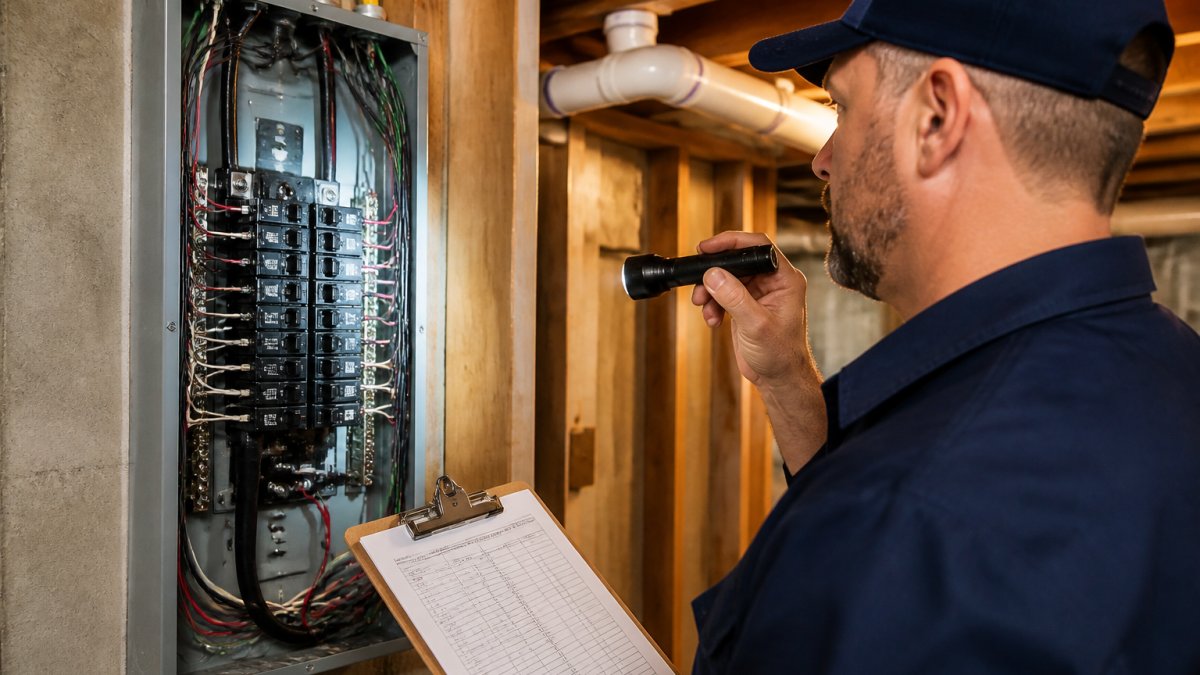
- Electrical Panel and Aging Wiring Problems That Cause Flickering
- LED Compatibility and Smart Home Device Interference
- Seasonal and Environmental Factors Behind Flickering Lights
- When to Call an Electrician for Flickering Lights
- Electrical Safety Inspection Checklist for Flickering Light Issues
- Conclusion
Last Updated: August 20, 2026
The Most Common Reasons Your Lights Flicker in the House
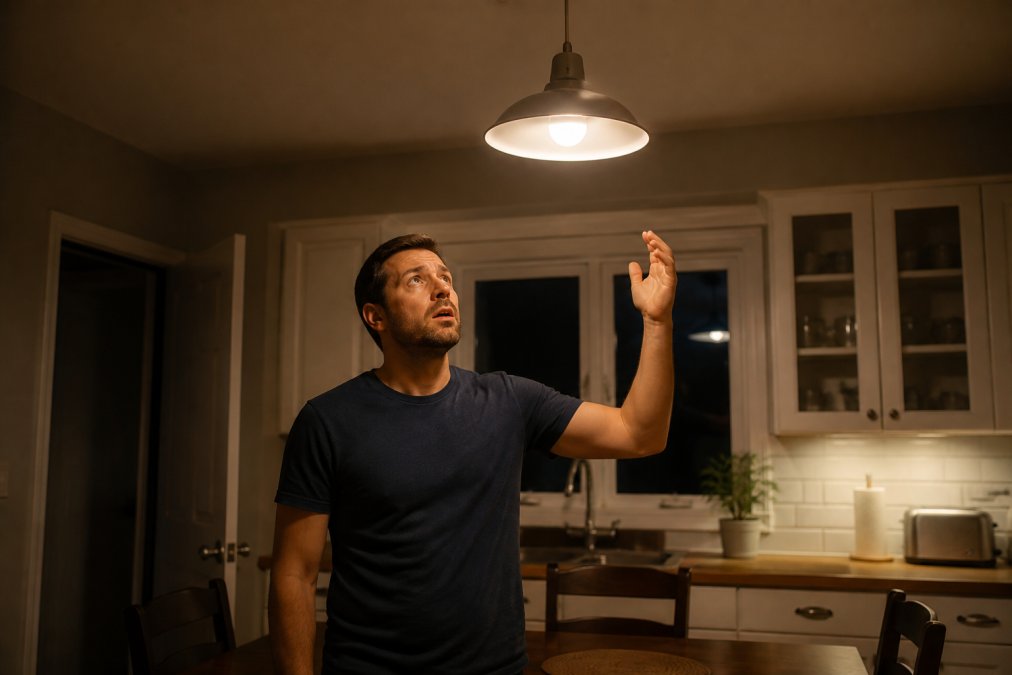
Flickering lights signal anything from a loose bulb to a wiring fault that poses a fire risk. At BEARS Electric, we've diagnosed hundreds of flickering light calls over 12 years, and the same causes come up repeatedly. Knowing which one you're dealing with determines whether you can fix it yourself in two minutes or need a licensed electrician on site today.
Most flickering starts with something simple. Work through the common causes below before assuming the worst.
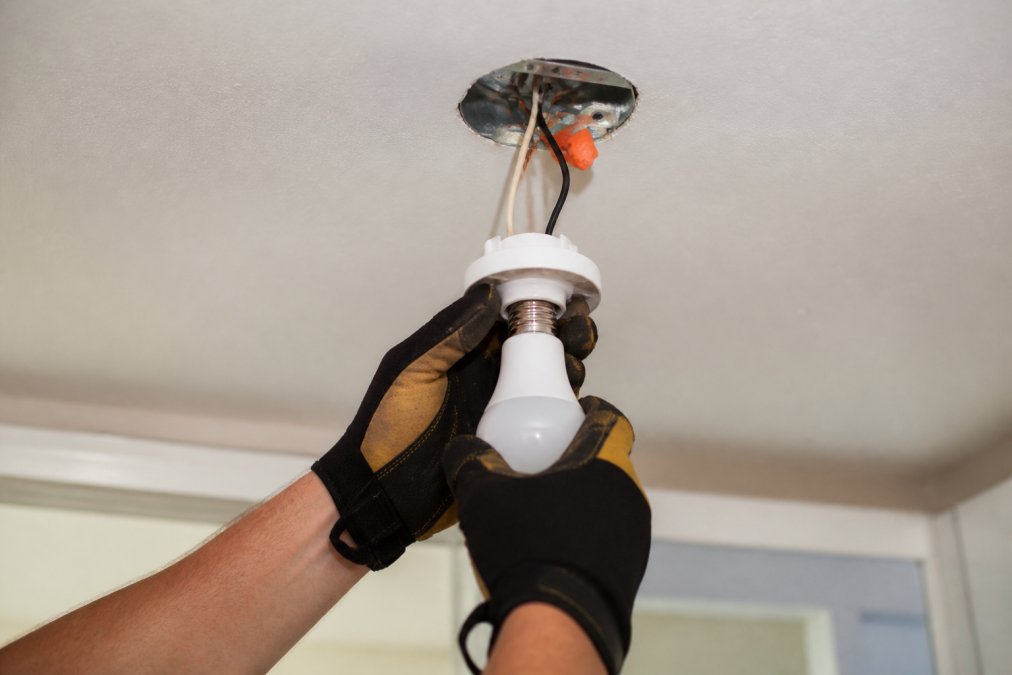
Loose or Faulty Light Bulbs
A loose bulb is the single most overlooked cause of flickering. When the bulb base makes intermittent contact with the fixture's terminal screws, you get a strobe effect. Turn off the light, let the bulb cool, then reseat it firmly. If the flickering stops, you're done.
Faulty bulbs near the end of their life will flicker before burning out entirely. Swap it for a new one and monitor the fixture for 24 hours.
Loose Wiring and Electrical Connections
Loose wiring is where flickering stops being a minor annoyance and becomes a safety concern. A loose connection at the fixture, switch, or outlet creates resistance that generates heat, how electrical fires start.
The most common loose connection points:
- Wire nuts inside the junction box above the fixture
- Terminal screws on the wall switch
- Connections at the outlet on the same circuit
- The neutral wire splice in the panel
A loose neutral wire is particularly deceptive because it can cause multiple lights on the same circuit to flicker simultaneously. According to the U.S. Consumer Product Safety Commission on home electrical fires, faulty wiring is one of the leading causes of residential electrical fires annually. This is not a repair to attempt yourself unless you are experienced with electrical work.
Voltage Fluctuations from Your Utility Provider
Voltage fluctuations from your utility company are a real but less common cause of flickering. Your home's electrical system operates at 120 volts on standard circuits. When the utility delivers inconsistent voltage, lights respond by flickering or dimming briefly.
Signs that the voltage fluctuation originates from the utility rather than your wiring:
- Flickering occurs across the entire house simultaneously
- It correlates with high-demand periods (hot summer afternoons, for example)
- Neighbors report the same issue
Contact your utility provider and ask them to check the voltage at your main service entrance. They can log voltage data over several days to confirm whether the supply is stable. Persistent voltage drop from the utility is their responsibility to resolve.
Faulty or Incompatible Dimmer Switches
A dimmer switch not matched to the bulb type is one of the most common causes of flickering homeowners spend weeks diagnosing. Older dimmers were designed for incandescent bulbs, which operate on a completely different wattage and load profile than modern LEDs.
The result is a flicker frequency ranging from subtle pulse to noticeable strobe. Replacing the dimmer with one rated for LED compatibility almost always resolves this. Dimmer compatibility is covered in more detail in the LED section below.
Signs of an Overloaded Electrical Circuit in Your Home
An overloaded circuit occurs when the total electrical load on a single circuit exceeds its amperage rating. Most residential circuits run at 15 or 20 amps. When high-draw appliances share a circuit with lighting, the competition for current causes voltage drop, and lights flicker or dim when the appliance kicks on.
Classic overloaded circuit patterns:
- Lights dim every time the refrigerator compressor starts
- Lights flicker when the HVAC unit cycles on
- The circuit breaker trips repeatedly under normal use
- Multiple outlets on the same circuit feel warm to the touch
The fix usually involves redistributing the electrical load across additional circuits or adding a dedicated circuit for high-draw appliances. This requires a licensed electrician. According to the National Fire Protection Association's electrical safety guidance, overloaded circuits are a significant contributing factor in residential electrical fires. If your circuit breaker trips more than once in a short period, stop resetting it and call a professional.
Electrical Panel and Aging Wiring Problems That Cause Flickering
Most houses built before 1980 have wiring never designed to handle today's electrical load. Aluminum wiring, knob-and-tube systems, and undersized panels are all common in older homes and capable of causing persistent flickering.
Electrical panel problems that cause flickering:
- A failing breaker causes intermittent flickering on everything connected to it
- Loose bus bar connections inside the panel create resistance across multiple circuits
- An undersized main service entrance can't deliver stable voltage during peak demand
Aging wiring warning signs:
- Flickering affecting multiple rooms with no obvious trigger
- Outlets or switch plates that are discolored or warm
- A burning smell near any fixture or panel
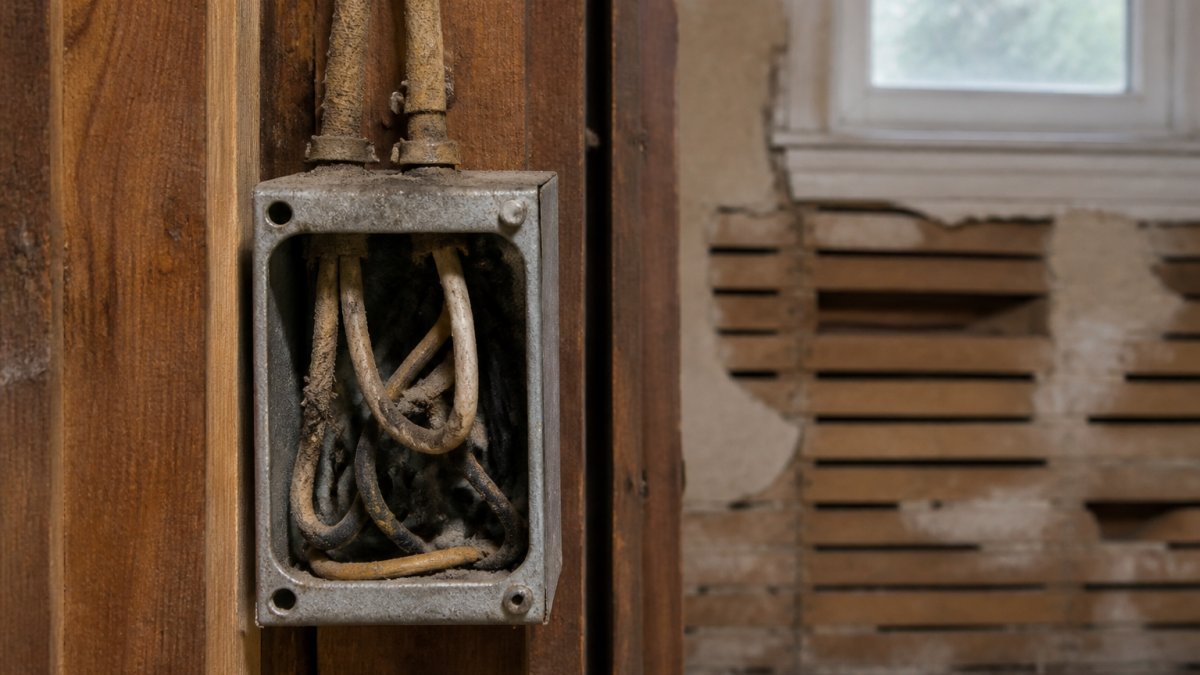
- Wiring insulation that looks brittle, cracked, or cloth-wrapped (knob-and-tube)
The National Electrical Code standards maintained by NFPA sets the baseline for safe residential wiring. If your home's wiring predates current NEC standards by several decades, a professional inspection is essential. A customer who called BEARS Electric after weeks of intermittent flickering found the team identified faulty wiring fast and resolved it efficiently.
LED Compatibility and Smart Home Device Interference
LED-specific flickering is a problem that didn't exist ten years ago, and most generic troubleshooting guides don't address it properly.
The LED compatibility problem stems from how LED drivers regulate current. An LED bulb draws a fraction of the wattage of an incandescent, which means older dimmers often fall below the minimum load required to operate correctly. The result is persistent flicker unrelated to your wiring.
Checklist for diagnosing LED-specific flickering:
- Replace the dimmer switch with a model explicitly rated for LED loads
- Check that the LED bulb's wattage is within the dimmer's rated range
- Verify the bulb's base type matches the fixture's socket rating
- Try a different LED brand; not all LED drivers behave identically on the same dimmer
Smart home device interference is rarely covered in troubleshooting guides. Devices like smart switches, smart plugs, and home automation hubs communicate using low-frequency signals that can interact with LED drivers. If flickering started after installing a smart switch or hub, that's your suspect.
The fix: replace the smart switch with a model specifying LED compatibility, or use a neutral wire configuration if required. Many smart switches require a neutral wire connection to operate without causing flicker. Homes wired before the mid-1990s often lack a neutral wire at the switch box, creating an incompatibility no firmware update will solve.
Seasonal and Environmental Factors Behind Flickering Lights
Temperature extremes affect electrical connections in unexpected ways. Metal expands and contracts with heat and cold. Over years of seasonal cycling, terminal screws loosen and wire connections work themselves free, turning solid connections intermittent.
Winter flickering often traces to:
- Connections at the main service entrance loosening from thermal cycling
- Ice and snow loading on the service drop causing physical stress
- Increased electrical load from heating systems straining borderline circuits
Summer flickering follows a different pattern:
- Air conditioning units cycling on and causing voltage drop on shared circuits
- High ambient temperatures accelerating insulation degradation in older wiring
- Utility grid demand peaks causing voltage fluctuations at the service entrance
If your flickering is seasonal and predictable, note the pattern and share it with your electrician. It narrows diagnosis significantly and often points directly to the main service entrance or panel grounding system.
When to Call an Electrician for Flickering Lights
Some flickering you can troubleshoot yourself. Much of it you shouldn't touch.
Call a licensed electrician when:
- Flickering affects multiple rooms or the whole house simultaneously
- You notice a burning smell, discolored outlets, or warm switch plates
- The circuit breaker trips repeatedly
- Flickering started after a power surge or storm
- Your home has aluminum wiring, knob-and-tube wiring, or a panel under 200 amps
- Flickering is accompanied by buzzing or crackling sounds from a fixture or switch
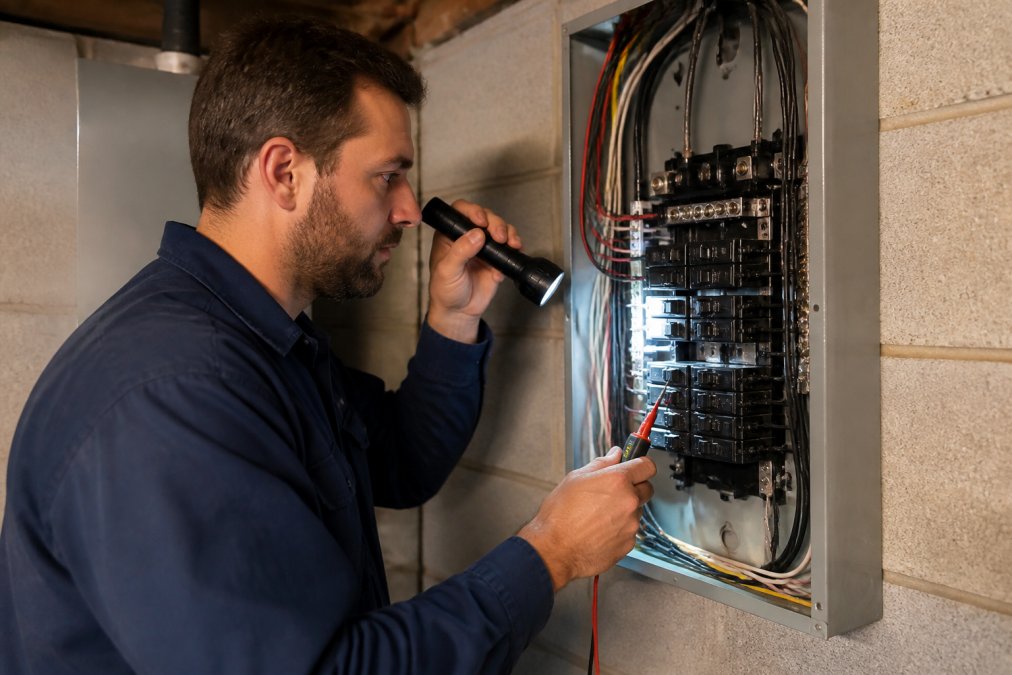
The decision is straightforward: if the cause is inside the wall, inside the panel, or involves the main service entrance, it's an electrician's job. Electrical work on live circuits without proper training is hazardous.
When to call immediately: a burning smell near any fixture or panel is an emergency. Turn off the circuit at the breaker and call an electrician before using that circuit again.
Electrical Safety Inspection Checklist for Flickering Light Issues
Use this checklist to work through the most likely causes before calling for service. It also gives an electrician a clear picture of what you've already ruled out.
| Check | What to Look For | DIY or Pro? |
|---|---|---|
| Reseat the bulb | Firm contact, no wobble in socket | DIY |
| Replace the bulb | Swap for known-good bulb, same type | DIY |
| Check dimmer compatibility | LED-rated dimmer matches bulb wattage | DIY |
| Inspect switch and outlet covers | Discoloration, warmth, or burn marks | Call a pro |
| Test other fixtures on the same circuit | Flickering on multiple fixtures | Call a pro |
| Note when flickering occurs | Appliance startup, time of day, weather | Share with electrician |
| Check breaker for the affected circuit | Tripping or feeling warm | Call a pro |
| Smell test at panel and fixtures | Any burning or electrical smell | Call a pro immediately |
| Check smart switch wiring | Neutral wire present and connected | DIY or pro |
| Review home wiring age | Pre-1980 home with original wiring | Schedule inspection |
How to use this checklist:
- Start at the top and work down in order.
- Stop at the first "Call a pro" item you can't confidently rule out.
- Document what you observed at each step; your electrician will use this to prioritize the inspection.
A home electrical inspection by a licensed electrician covers all of the above plus a full review of the panel, grounding system, and visible wiring. The International Association of Certified Home Inspectors electrical inspection standards outlines what a thorough residential electrical inspection should cover. If your home hasn't had a professional electrical review in more than a decade, flickering lights are a reasonable trigger to schedule one.
Lights that flicker in the house range from a ten-second fix to a sign of serious wiring problems. The checklist above helps you tell the difference. For anything beyond a loose bulb or dimmer swap, a licensed electrician is the right call.
BEARS Electric has been diagnosing and resolving residential electrical issues since 2012. With transparent pricing and no hidden fees, our team offers same-day service for urgent electrical problems, from loose wiring repairs to full panel inspections. Get a free quote from BEARS Electric and find out exactly what's causing your flickering lights before it becomes a bigger problem.
Frequently Asked Questions
Should I be concerned about flickering lights in my house?
Not always, but you should not ignore it. A single bulb flickering after you tighten it is usually harmless. Flickering that happens across multiple rooms, occurs when large appliances switch on, or comes with buzzing sounds or burning smells points to a wiring or electrical panel problem. Those situations can create arc faults and pose a genuine fire hazard. A licensed electrician can diagnose the source quickly and tell you whether the fix is simple or urgent.
Are flickering lights a fire hazard?
They can be. Flickering caused by loose wiring, faulty connections, or an overloaded circuit creates arc faults, brief bursts of electricity that jump across gaps in the wiring. Arc faults generate intense heat and are a leading cause of residential electrical fires. If your lights flicker consistently, especially alongside tripped breakers, warm outlets, or a burning smell, treat it as a potential electrical hazard and contact a licensed electrician for an inspection right away.
Can a loose light bulb really cause flickering?
Yes, and it is the most common cause of flickering in a single fixture. When the bulb base does not make firm contact with the socket's terminal screws, the connection intermittently breaks and restores, producing a flicker or strobe effect. Turn off the fixture, let the bulb cool, then reseat or replace it. If flickering continues after that, the problem is likely in the fixture's wiring or further upstream in the circuit.
When should I call a professional electrician for flickering lights?
Call an electrician when flickering lights in the house affect multiple fixtures or rooms, happen every time a large appliance runs, are accompanied by buzzing, dimming, or a burning smell, or persist after you have replaced the bulb and checked the dimmer switch. You should also call if your home has older wiring, a panel under 200 amps, or has never had an electrical safety inspection. These are signs the issue goes beyond a simple bulb swap.
This article was written using GrandRanker