 comparison
Alternatives to F.F. Hitchcock for Home Wiring
Table of Contents
- Modern Alternatives to Traditional Home Wiring
- Understanding F.F. Hitchcock and Why Homeowners Seek Alternatives
- Key Electrical Infrastructure Upgrades: Panel Upgrades and Service Improvements
- Questions to Ask Before Hiring an Electrician
- How to Vet Electrical Contractors for Reliability and Code Compliance
- Hiring an Electrician Who Shows Up on Time and Delivers Results
- DIY vs. Professional Electrical Assessment: When to Call an Expert
- Cost-Benefit Analysis: Full vs. Partial Home Rewiring
- Frequently Asked Questions
Last Updated: August 31, 2026
Modern Alternatives to Traditional Home Wiring
When your home's electrical system starts showing its age, the question isn't whether you need to act, it's how. F.F. Hitchcock was once the standard name in residential wiring services, but the electrical contracting landscape has shifted dramatically. Homeowners now have genuine alternatives for home wiring that offer faster service, transparent pricing, and modern safety standards.
The reality is straightforward: older wiring systems create real hazards. Flickering lights, outlets that won't hold plugs, and circuit breakers that trip constantly aren't just annoyances, they're warnings. But finding the right contractor to address these issues requires knowing what to look for and understanding your actual options. This guide walks you through the alternatives to traditional service providers and shows you how to hire an electrician who actually delivers.
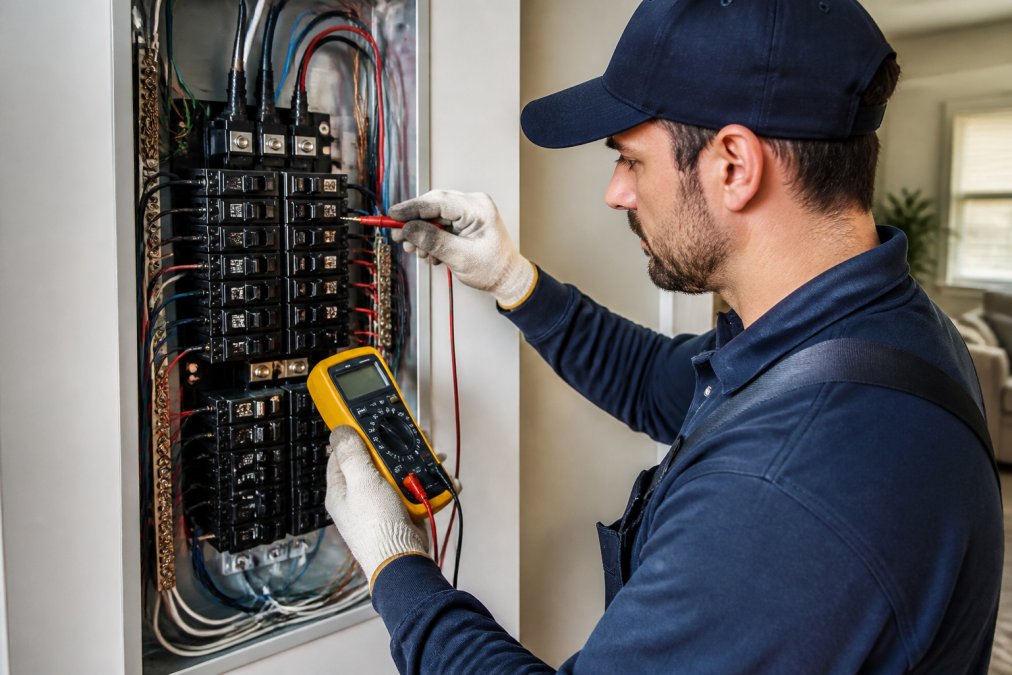
Understanding F.F. Hitchcock and Why Homeowners Seek Alternatives
F.F. Hitchcock built a reputation in residential electrical work decades ago, but that reputation is increasingly detached from current reality. The company's service model no longer meets what homeowners expect or deserve.
The real problem isn't that F.F. Hitchcock was bad at what it did. The problem is that the electrical contracting industry has evolved, and homeowners have discovered that alternatives home wiring solutions exist that are faster, more transparent, and genuinely customer-focused. When you're facing a potential electrical fire hazard or need your home rewired before an EV charger installation, waiting days for a quote or dealing with surprise charges isn't acceptable.
Modern alternatives for home wiring focus on three things: responsiveness, pricing clarity, and actual expertise in current electrical codes. A contractor who shows up when promised, explains costs upfront, and understands modern safety standards becomes invaluable. That's why homeowners increasingly turn to local, agile electrical contractors who operate differently, contractors like BEARS Electric, which offers same-day service options and transparent pricing with no hidden fees.
The shift toward alternatives home wiring services reflects a broader change in how homeowners evaluate contractors. You're no longer choosing based on brand recognition from your parents' generation. You're choosing based on whether someone will actually answer the phone, show up on time, and do the work right.
Key Electrical Infrastructure Upgrades: Panel Upgrades and Service Improvements
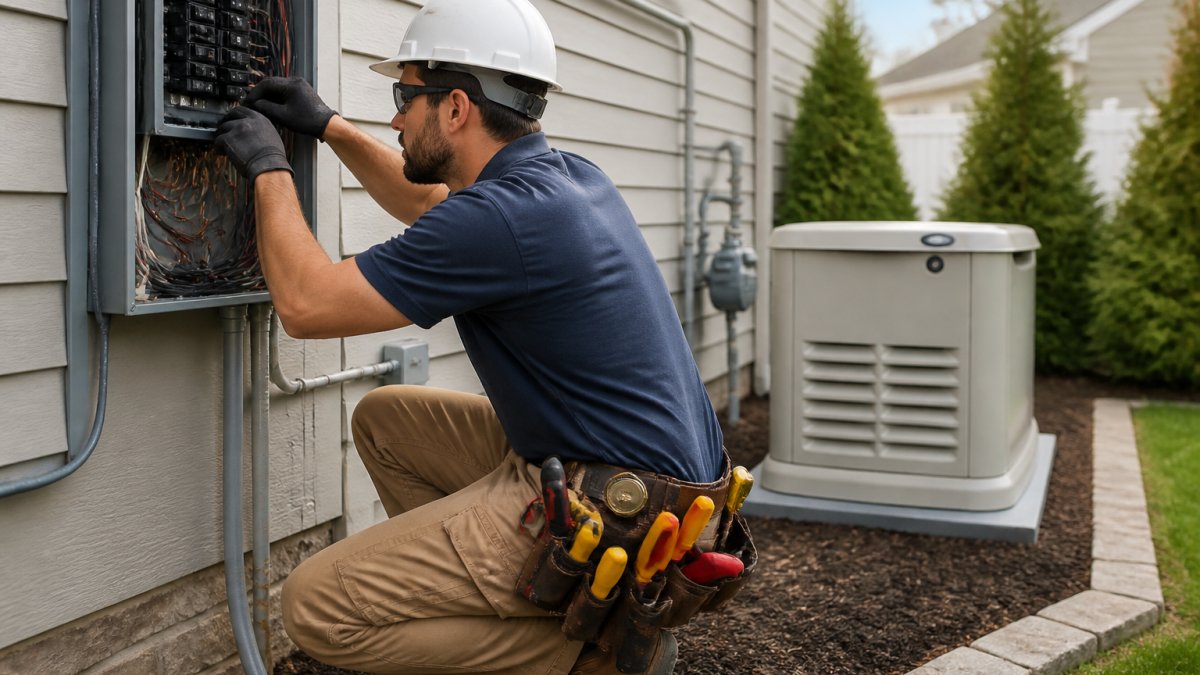
Your electrical panel is the nerve center of your home's power distribution. If your panel is undersized, outdated, or damaged, it's the first place to address before tackling any other electrical work. Panel upgrades are often the gateway to everything else, installing an EV charger, adding circuits for a home office, or finally fixing those persistent electrical issues.
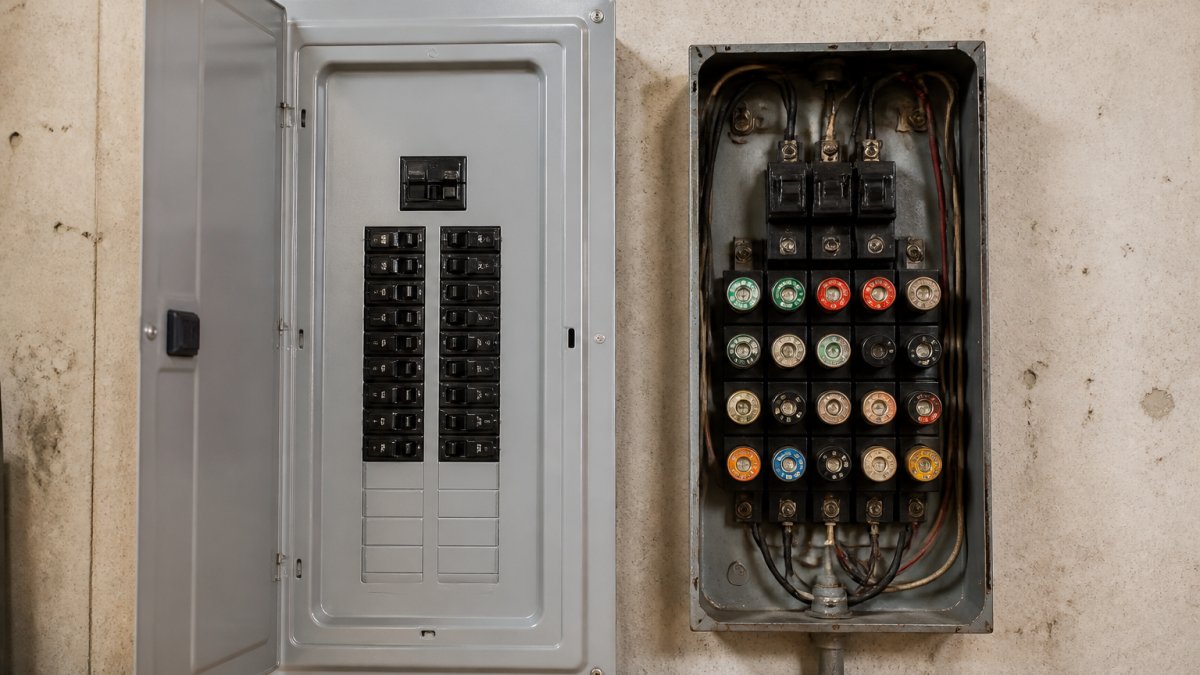
A circuit breaker panel upgrade isn't optional if you're planning significant electrical work. Modern homes demand more power than older panels were designed to deliver. If you're stuck with a 100-amp service and want to add an EV charger, you'll likely need to upgrade to 200 amps. This is where understanding your actual electrical load becomes critical. A qualified electrician will assess your current usage, project your future needs, and recommend the right service upgrade for your situation.
Code compliance in electrical installation has tightened significantly. Older wiring standards that were acceptable ten years ago now violate current safety codes. When you hire an electrician for panel upgrades or service improvements, they're not just replacing old equipment, they're bringing your electrical infrastructure into compliance with current National Electrical Code standards. This protects your home from fire hazards and ensures your insurance covers electrical damage.
The difference between a contractor who understands modern electrical standards and one who doesn't shows up immediately during a panel upgrade. BEARS Electric brings 12 years of industry experience to every installation, ensuring your upgraded panel meets current code requirements and handles your home's actual electrical demands. That expertise prevents the expensive mistakes that happen when someone cuts corners or misinterprets code requirements.
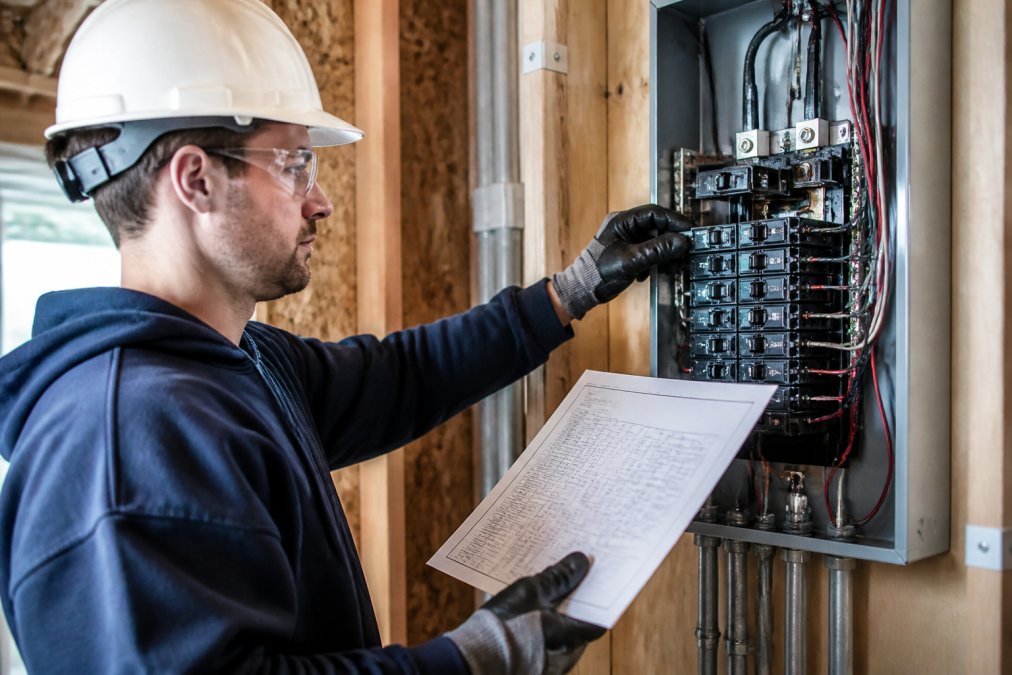
Questions to Ask Before Hiring an Electrician
Before you call anyone, know what you're actually asking for. This separates contractors who know their work from those who are just taking calls.
Start with the specific problem or project. Don't say "my electrical system is old." Say "I want to install a Level 2 EV charger and my current panel is 100 amps." Or "My bedroom outlets keep tripping and I need to know why." Specific descriptions help a contractor give you an accurate quote and identify whether they can actually handle your job.
Ask about their experience with your specific project type. An electrician who specializes in generator installation might not be the best fit for rewiring a kitchen. Ask how many similar projects they've completed and whether they can provide references. A contractor worth hiring will have real examples they can discuss.
Request a detailed written estimate before work begins. This should break down labor, materials, and any permits required. If a contractor won't provide this, move on. Transparent pricing isn't optional, it's a baseline expectation. Ask specifically whether the estimate includes all costs or if there are potential add-ons. The phrase "it depends" shouldn't be part of the conversation without specifics attached.
Ask about timeline and scheduling flexibility. This is where many contractors fail and where alternatives home wiring services shine. If you need work done quickly and the contractor can't commit to a timeline, they're not the right fit. Ask about same-day or next-day availability for urgent repairs.
How to Vet Electrical Contractors for Reliability and Code Compliance
Vetting an electrical contractor means verifying three things: they're licensed, they understand current code, and they actually show up when they say they will.
Start with licensing verification. Every electrician working on your home should hold a valid state electrical license. This isn't a suggestion, it's a legal requirement. You can verify licensing through your state's licensing board. A contractor who won't provide their license number is an immediate red flag.
Code compliance knowledge separates competent contractors from dangerous ones. Ask how they stay current with code changes. The National Electrical Code updates every three years (nfpa.org). A contractor who hasn't reviewed recent updates might install wiring that's technically legal today but creates hazards tomorrow. Ask specific questions about grounding requirements, outlet spacing, or circuit capacity. Their answers should be detailed and confident.
Check references carefully. Don't just accept a list, actually call people. Ask about responsiveness, whether the work was completed on time, and whether the final cost matched the estimate. Ask specifically whether they'd hire the same contractor again. That last question reveals everything.
Review online feedback, but understand its limitations. One bad review doesn't mean much. A pattern of complaints about the same issue, missed appointments, surprise charges, incomplete work, means something. Pay attention to how contractors respond to criticism. A defensive response suggests they don't take accountability seriously.
Verify insurance and bonding. A contractor should carry liability insurance and workers' compensation coverage. This protects you if something goes wrong. Ask for proof of current coverage. If they're bonded, that's an additional layer of protection that shows they take their work seriously.
BEARS Electric demonstrates these standards consistently. With 12 years of industry experience and a satisfaction guarantee, the company prioritizes reliability and code compliance. The transparent pricing model means no surprise charges. That's the baseline for evaluating any contractor, not the exception.
Hiring an Electrician Who Shows Up on Time and Delivers Results
This is where the rubber meets the road. You can vet someone perfectly on paper, but if they don't show up or the work quality is poor, nothing else matters.
Establish clear expectations about timing before work begins. Ask for a specific date and time window, not vague language like "sometime next week." A contractor who commits to a 2-hour window and respects it is showing you they value your time. If they're consistently late, that's a sign they're overbooked or disorganized.
Request a detailed scope of work in writing. This should describe exactly what will be done, what materials will be used, and what the finished work will look like. This prevents misunderstandings and gives you something to reference if the work doesn't match expectations.
Create a payment schedule that protects both parties. Avoid paying the full amount upfront. A common approach is 50% down to cover materials, with the balance due upon completion. This incentivizes the contractor to finish the job properly. Never pay for work that hasn't been inspected and approved.
Inspect work before final payment. Walk through with the electrician and verify that everything matches the scope of work. Test outlets, check that switches work properly, and confirm that any panels or upgrades function as promised. If something isn't right, address it before final payment.
Communication during the project matters enormously. A contractor who updates you on progress, explains any issues that arise, and keeps you informed is showing professionalism. Radio silence during a project is a bad sign. If you can't reach your contractor when you need to, that's a problem.
DIY vs. Professional Electrical Assessment: When to Call an Expert
The temptation to diagnose electrical problems yourself is understandable. YouTube has plenty of videos showing people working on their own electrical systems. But there's a critical difference between understanding your electrical system and safely working on it.
Some assessments you can do yourself. Identifying which outlets are on which circuits by flipping breakers is fine. Noting which lights flicker or which outlets feel warm is useful information to share with a contractor. Observing that your panel is making unusual sounds or that breakers trip frequently gives you valuable diagnostic information.
What you should never do yourself: open your electrical panel, work with live wires, install new circuits, or perform any work that requires cutting into walls or running new wiring. Electrical work kills people. It's not theoretical, it's a real hazard that kills several thousand people annually in residential settings (the CDC). That's not a scare tactic. It's why licensing requirements exist.
The question isn't whether you can physically do the work. The question is whether you can do it safely and to code. An electrician brings three things a DIY approach can't: proper tools and safety equipment, knowledge of current code requirements, and insurance if something goes wrong. If you make a mistake, you're liable. If a licensed contractor makes a mistake, their insurance covers it.
Call a professional if you're experiencing any of these: outlets that don't hold plugs, lights that flicker frequently, breakers that trip repeatedly, outlets or switches that feel warm, burning smells from outlets, or any situation where you're unsure about safety. These are warning signs that something needs professional attention.
Cost-Benefit Analysis: Full vs. Partial Home Rewiring
The decision between full and partial rewiring depends on your home's age, condition, and your long-term plans.
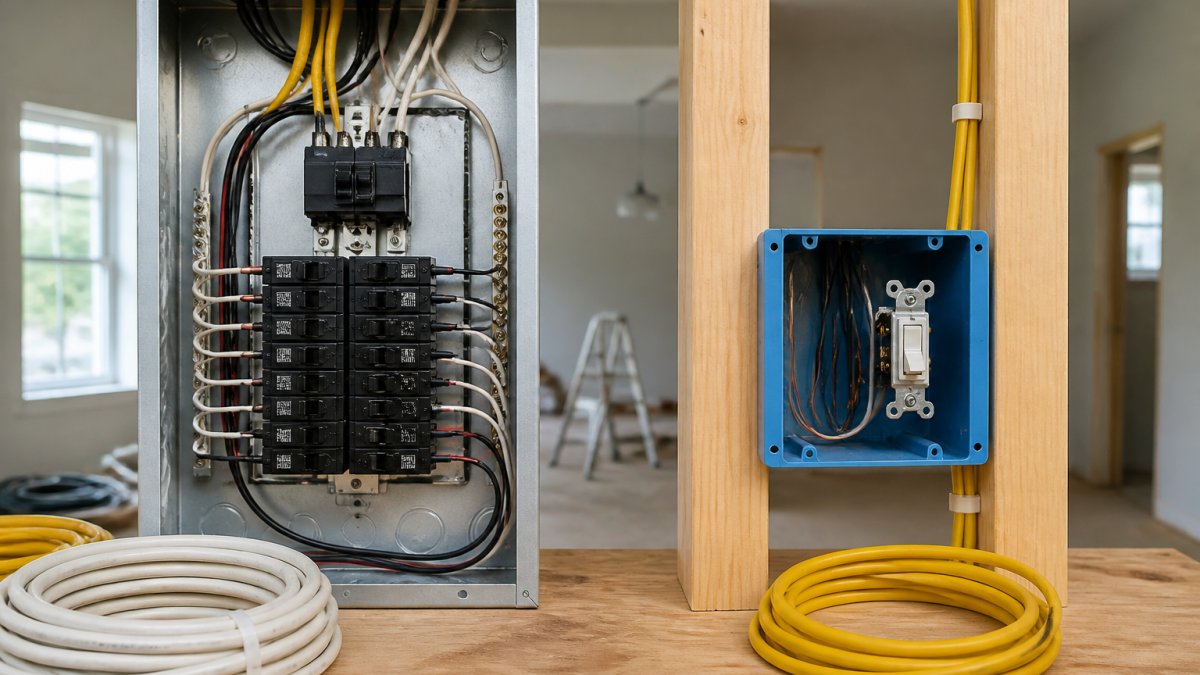
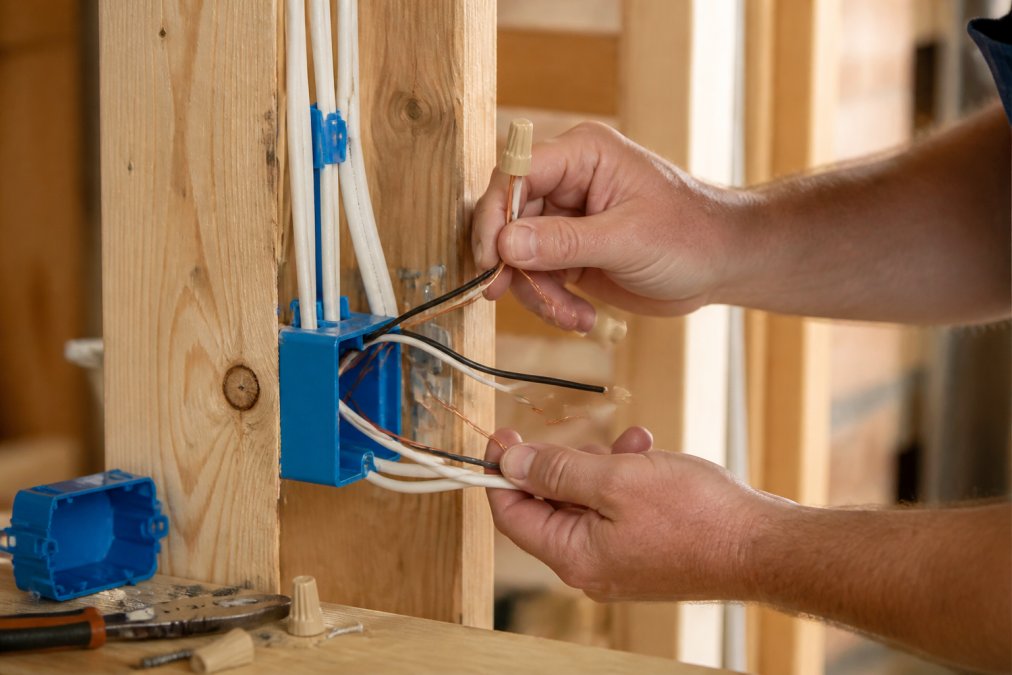
Partial rewiring addresses specific problem areas. If your kitchen outlets are outdated and you want to add circuits for new appliances, you rewire just that section. This is less expensive upfront and solves immediate problems. However, if the rest of your home still has problematic wiring, you're leaving hazards in place elsewhere.
Full rewiring replaces your entire home's electrical infrastructure. This is more expensive and disruptive, walls get opened, new wire runs through your home, and your house is essentially under construction. But full rewiring solves all problems at once. You're not dealing with flickering lights in the bedroom while you fixed the kitchen. You're not worried about fire hazards in the living room while you upgraded the office.
The cost-benefit calculation depends on your home's age and condition. If your home was built after 1990 and has had regular maintenance, partial rewiring might be sufficient. If your home is 50+ years old with original wiring, full rewiring is likely the better investment. Older wiring insulation degrades over time. Aluminum wiring, common in homes built in the 1960s-70s, creates fire hazards that partial solutions don't fully address (cpsc.gov).
Consider your future plans too. If you're planning to stay in your home for 10+ years and want to add significant electrical load (EV charger, heat pump, home office), full rewiring might be the better long-term investment. You'll avoid having to rewire again in a few years when you discover more problems.
BEARS Electric can assess your specific situation and recommend the right approach. With transparent pricing and no hidden fees, you'll understand the actual cost difference between options. That clarity lets you make the decision that makes sense for your home and budget.
=== FAQ ANSWERS (audit these too, same rules) ===
[1] Q: What are common alternatives to traditional home wiring methods? A: Modern alternatives to traditional copper wiring include aluminum wiring (though less common now due to safety concerns), conduit-based systems, and structured wiring that integrates electrical and data cables. Many homeowners also upgrade to higher-capacity electrical panels and circuits to support modern loads. A professional electrician can assess your home's wiring standards and recommend upgrades that meet current code compliance requirements and improve safety.
[2] Q: What questions should I ask before hiring an electrician? A: Ask about their licensing, insurance coverage, and experience with your specific project type. Request references and verify their knowledge of local electrical codes. Inquire about their timeline, pricing structure (flat rate vs. hourly), and whether they provide a written estimate. Ask how they handle unexpected issues and what warranty they offer on their work. These questions help you vet electrical contractors and ensure reliable service.
[3] Q: How do I know if an electrical contractor is reliable and will show up on time? A: Check online reviews and ask for references from recent projects. A professional electrician who shows up on time typically has a reputation for punctuality and clear communication. Ask about their scheduling process and how they handle appointments. Verify they have a physical business location and proper licensing. Many reputable contractors offer same-day or next-day service and maintain transparent communication about arrival times.
[4] Q: When should I consider a full home rewiring versus partial rewiring? A: Full rewiring is necessary if your home has outdated wiring that poses safety hazards, fails code compliance, or cannot support modern electrical loads. Partial rewiring works for specific upgrades like circuit breaker panel upgrades or adding new outlets and switches. A professional assessment can determine whether your electrical infrastructure needs complete replacement or targeted updates based on your home's age, current wiring condition, and planned electrical additions like EV chargers or generators.
Frequently Asked Questions
What are common alternatives to traditional home wiring methods?
Modern alternatives to traditional copper wiring include aluminum wiring (though less common now due to safety concerns), conduit-based systems, and structured wiring that integrates electrical and data cables. Many homeowners also upgrade to higher-capacity electrical panels and circuits to support modern loads. A professional electrician can assess your home's wiring standards and recommend upgrades that meet current code compliance requirements and improve safety.
What questions should I ask before hiring an electrician?
Ask about their licensing, insurance coverage, and experience with your specific project type. Request references and verify their knowledge of local electrical codes. Inquire about their timeline, pricing structure (flat rate vs. hourly), and whether they provide a written estimate. Ask how they handle unexpected issues and what warranty they offer on their work. These questions help you vet electrical contractors and ensure reliable service.
How do I know if an electrical contractor is reliable and will show up on time?
Check online reviews and ask for references from recent projects. A professional electrician who shows up on time typically has a reputation for punctuality and clear communication. Ask about their scheduling process and how they handle appointments. Verify they have a physical business location and proper licensing. Many reputable contractors offer same-day or next-day service and maintain transparent communication about arrival times.
When should I consider a full home rewiring versus partial rewiring?
Full rewiring is necessary if your home has outdated wiring that poses safety hazards, fails code compliance, or cannot support modern electrical loads. Partial rewiring works for specific upgrades like circuit breaker panel upgrades or adding new outlets and switches. A professional assessment can determine whether your electrical infrastructure needs complete replacement or targeted updates based on your home's age, current wiring condition, and planned electrical additions like EV chargers or generators.
Finding the right electrician matters more than the name on the sign. When you're evaluating alternatives to traditional service providers, focus on contractors who prioritize responsiveness, code compliance, and transparent pricing. BEARS Electric delivers all three, with same-day service availability and a satisfaction guarantee backing every project. Get a free quote and see how professional electrical service should actually work.
This article was written using GrandRanker