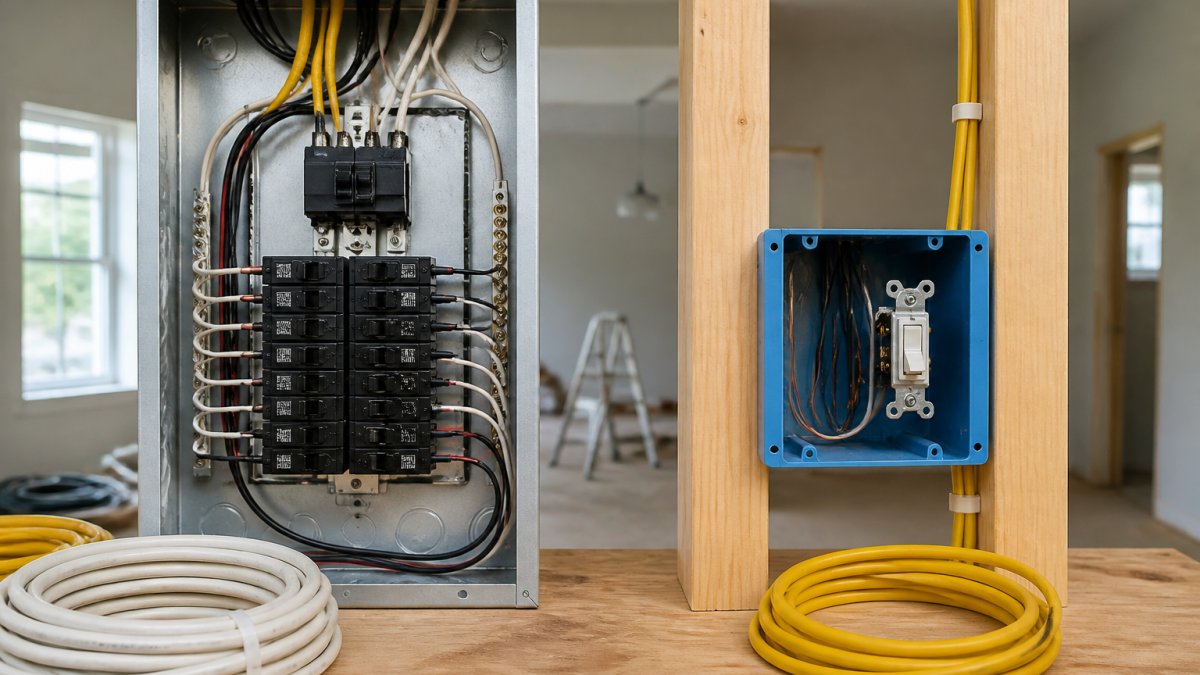
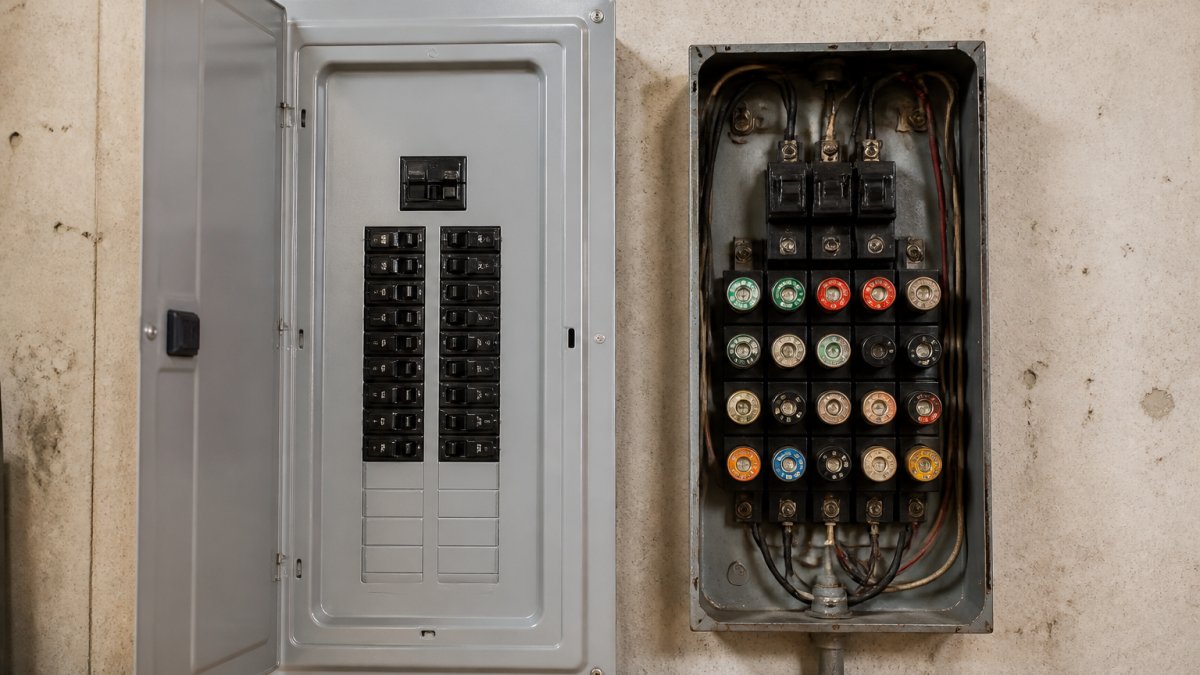
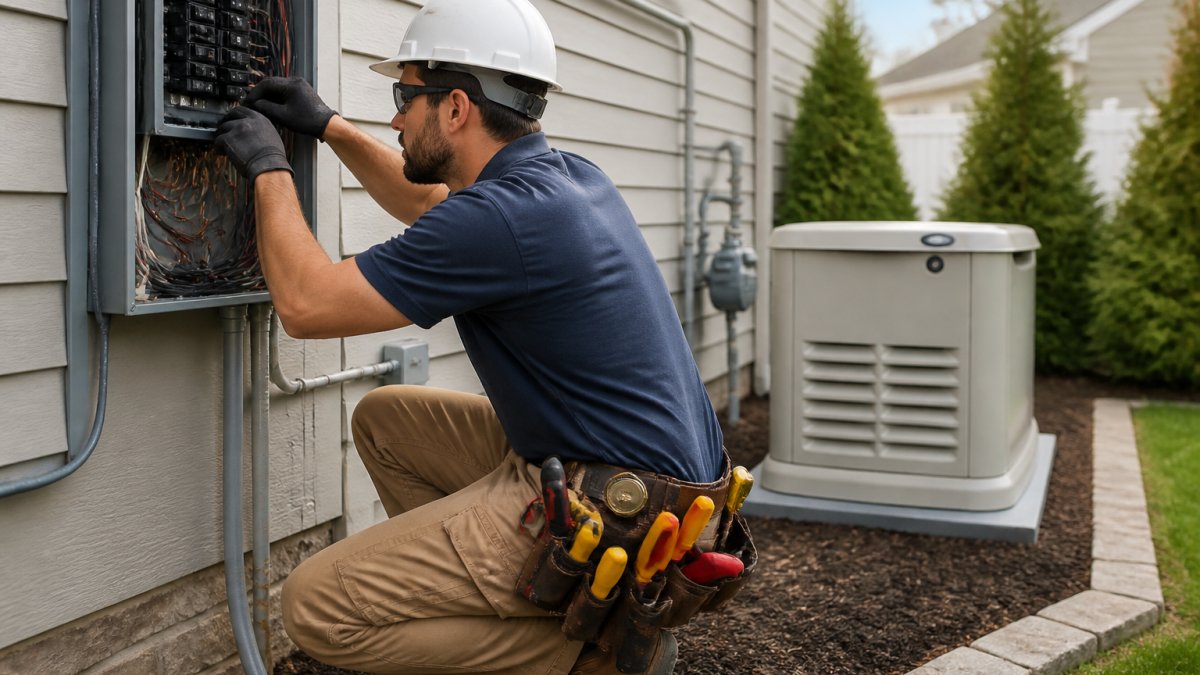
 comparison
Best Electrical Companies in Connecticut: 2026 Guide
Table of Contents
- Top Electrical Companies in Connecticut
- What to Check Before Hiring an Electrical Contractor
- Questions to Ask an Electrician Before You Hire
- Understanding Your Electrical Work Estimate
- How to Read and Compare Electrical Contractor Reviews
- Scheduling and Reliability: Getting Your Electrician to Show Up
- Residential, Commercial, and Industrial Services Explained
- Frequently Asked Questions
Last Updated: October 6, 2026
Top Electrical Companies in Connecticut
Finding a reliable electrical contractor is one of the most important decisions you'll make for your home or business. Whether you need generator installation, panel upgrades, rewiring, or emergency repairs, the quality of workmanship and reliability of service directly impact your safety and peace of mind.
This guide covers the best electrical companies in Connecticut, with a focus on what actually matters when hiring: transparent pricing, proven reliability, proper licensing, and real customer results. We've evaluated contractors across the central Connecticut region, from Bristol and Waterbury to Middletown, Hartford, and beyond, based on service scope, experience, and how they handle the details that separate good contractors from great ones.
BEARS Electric: Local Expert with Transparent Pricing
BEARS Electric stands out as a minority-owned electrical contractor serving homeowners throughout central Connecticut with over 12 years of industry experience. The company specializes in generator installation, EV charger setup, panel upgrades, rewiring, and emergency repairs.
What sets BEARS Electric apart is the commitment to transparent pricing with no hidden fees. BEARS Electric provides clear estimates upfront. The satisfaction guarantee backs every project, which matters when you're inviting someone into your home.
Same-day service availability is a genuine differentiator. When your power goes out or you discover faulty wiring, waiting days for an appointment creates stress and safety risk. BEARS Electric prioritizes rapid response across the service area including Bristol, Plainville, Southington, Farmington, and surrounding towns within about a 24-mile radius of 06010.
Customer feedback reinforces the reliability claim.
The company handles complex projects that require both technical skill and clear communication, panel upgrades for older homes installing EV chargers, generator hookups for backup power, and complete rewiring of properties with outdated electrical systems. This breadth of expertise means you're not bouncing between multiple contractors.
Casey Electrical Services: Multi-Property Contractor
Limited public information about specific service towns or specialty areas makes it harder to assess whether Casey Electrical is the right fit for your particular project. The company operates on a quote-based model, meaning you'll need to contact them directly to understand pricing and availability.
Professional Electrical Contractors of Connecticut, Inc.
Like most regional contractors, the company works on a quote-based pricing model. You'll need to reach out directly to discuss your project scope, timeline, and cost expectations. The lack of detailed service descriptions online means you should be prepared with specific questions about your electrical work when you call.
Giuffrida Electric Co. Inc.: Design and Engineering Specialist
For straightforward repairs or standard installations, the engineering specialty may be unnecessary overhead. For complex renovations or new construction, it's exactly what you need.
What to Check Before Hiring an Electrical Contractor
Before you call or sign anything, verify three non-negotiable items: licensing, insurance, and references. These checks take 15 minutes and prevent costly mistakes.

Verify licensing first. Connecticut requires electricians to be licensed through the Department of Consumer Protection (Electrical License). Ask the contractor for their license number and verify it independently, don't just accept their word. A licensed electrician has passed exams, completed apprenticeship requirements, and maintains continuing education.
Confirm insurance coverage. Electrical work carries real risk, fires, shocks, property damage. A contractor should carry general liability insurance and workers' compensation. Ask for a certificate of insurance naming you as additional insured.
Check references from recent projects. Ask for at least three customers who had work done in the last 12 months. Call them. Ask specific questions: Did the contractor show up on time? Was the final bill close to the estimate? Did they explain what they were doing?
Questions to Ask an Electrician Before You Hire
The right questions reveal whether a contractor understands your project, communicates clearly, and operates professionally. Ask these before you commit:
"Can you walk me through what you'll do and why?" A good contractor explains the approach in plain language. If they use jargon without translating it, that's a red flag. You should understand the work, the timeline, and the reasoning behind their recommendations.
"What's included in your estimate, and what isn't?" Vague estimates lead to surprise charges. A solid estimate itemizes labor, materials, permits, and any contingencies. It specifies what happens if the work uncovers problems, like old wiring that needs replacement, and how those costs will be handled.
"How long will this take, and will you need multiple visits?" Timeline clarity prevents disruption. Some projects require inspections between phases. Knowing upfront saves frustration and lets you plan around the work.
"Do you handle permits, or is that my responsibility?" Permitted electrical work gets inspected by the local authority, which protects you. A contractor experienced with permits knows the process and can guide you through it.
"What's your warranty on the work?" Reputable contractors stand behind their installation. A one-year warranty on labor is standard. Some offer longer coverage on specific components. This matters if something fails shortly after completion.
"How will you handle unexpected issues?" Electrical work sometimes uncovers problems, corroded panels, code violations, undersized wiring. Ask how the contractor will communicate if scope expands and how they'll handle the cost conversation.
Understanding Your Electrical Work Estimate
A proper electrical estimate gives you confidence in the cost and scope before work begins. Understanding what you're reading prevents surprises.
A good estimate breaks down labor and materials separately. Labor accounts for the electrician's time, expertise, and overhead. Materials cover wire, fixtures, panels, and components. Some contractors bundle these; others itemize. Itemized estimates let you understand where money goes.
The estimate should specify the scope clearly: "Replace main electrical panel (100-amp to 200-amp), including new breakers, bonding, and grounding" is clear. "Panel upgrade" is vague. The more specific the estimate, the less room for misunderstanding.
Contingencies matter. If the contractor suspects hidden problems, like old wiring behind walls or corroded connections, a good estimate notes this: "If existing wiring is found to be damaged, additional labor and materials will be quoted separately." This protects both you and the contractor.
Timeline and payment terms belong in the estimate. When does work start? How long will it take? Is payment due upfront, at completion, or in phases? Clear terms prevent disputes.
How to Read and Compare Electrical Contractor Reviews
Online reviews reveal patterns in a contractor's service quality, reliability, and professionalism. But not all reviews are equally useful.
Look for reviews that mention specific details: "They arrived on time, explained what they were doing, and cleaned up after themselves" is more useful than "Great service!" Detailed reviews suggest the reviewer actually experienced the work.
Check review dates. Recent reviews (last 6 months) reflect current operations. A contractor may have changed for better or worse since reviews from two years ago.
Patterns matter more than individual reviews. One complaint about a missed appointment is normal; five complaints suggest a reliability problem. One mention of high pricing is anecdotal; multiple reviews noting unexpected costs point to poor estimation practices.
Read the contractor's responses to negative reviews. Do they acknowledge the issue, apologize, and offer to fix it? Or do they get defensive? How a contractor handles criticism reveals character.
On platforms like Google, Yelp, and the Better Business Bureau, look for overall ratings and review volume.
Scheduling and Reliability: Getting Your Electrician to Show Up
The best contractor is useless if they don't show up. Reliability in scheduling separates professional operations from amateur ones.
When you book, confirm the appointment in writing, email or text. Include the date, time window, address, and scope of work. A professional contractor sends a confirmation and may follow up the day before. If they don't, that's a warning sign.
Ask about their cancellation policy. What happens if they need to reschedule? What if you need to cancel? Clear policies prevent frustration.
Same-day or next-day service availability matters for emergencies, power outages, burning smells, sparking outlets. Contractors who maintain emergency slots demonstrate commitment to customer safety. BEARS Electric prioritizes this across the central Connecticut service area, including Bristol, Waterbury, Middletown, and other towns within about a 24-mile radius of 06010.
If a contractor repeatedly misses appointments or shows up hours late, move on. Your time has value, and reliability is non-negotiable. A professional respects your schedule.
Residential, Commercial, and Industrial Services Explained
Electrical work falls into three categories, each with different demands and expertise requirements.
Residential electrical work covers homes and small rental properties. It includes panel upgrades, outlet and switch installation, lighting, EV charger hookups, generator backup systems, and rewiring. Residential work typically operates on 120/240-volt single-phase power. The scale is smaller than commercial, and code requirements are more straightforward. Most homeowners interact with residential contractors.
Commercial electrical work serves businesses, office buildings, retail spaces, and multi-unit properties. It involves higher voltage systems (often 277/480 volts three-phase), larger panels, complex wiring for multiple tenants, fire alarm and security system integration, and backup power systems.
Industrial electrical work powers factories, manufacturing facilities, and heavy equipment. It demands expertise in three-phase power systems, motor control, variable frequency drives, and specialized safety protocols. Industrial contractors need deep technical knowledge and often hold additional certifications. This is the most specialized category.
Some contractors specialize in one category; others span multiple. For your project, match the contractor's expertise to your needs. A residential specialist may struggle with a commercial build-out; an industrial contractor may overengineer a home panel upgrade.
Frequently Asked Questions
What should I look for when reading electrical contractor reviews?
Look for patterns in customer feedback about punctuality, quality of work, and professionalism. Check whether reviewers mention specific services (wiring, panel upgrades, generator installation) and how the contractor handled problems. Verify that reviews mention the contractor's licensing and insurance. Be wary of all-perfect ratings; genuine reviews typically include a mix. Focus on recent reviews, as they reflect current service levels. Reviews mentioning same-day or prompt response times are particularly valuable if scheduling reliability matters to your project.
What questions should I ask an electrician before scheduling work?
Ask whether they're licensed and insured, what their response time is for emergencies, and whether they provide written estimates upfront. Inquire about their experience with your specific project type (generator installation, panel upgrade, rewiring, etc.). Ask if they offer a satisfaction guarantee and what happens if issues arise after completion. Request a timeline for the work and clarify whether they charge by the hour or provide a flat rate. Ask for references from similar projects. Find out if they charge for the initial consultation or estimate.
What should a complete electrical work estimate include?
A detailed estimate should list all materials needed, labor costs broken down by task, timeline for completion, and the total project cost. It should specify what's included and what isn't (e.g., permit fees, inspections, disposal). The estimate should reference your specific electrical needs (panel amperage, circuit requirements, safety upgrades). A good estimate explains why certain work is necessary and offers options if there are multiple ways to solve the problem. Ask the contractor to clarify any line items you don't understand before work begins.
How can I verify an electrician's license in Connecticut?
Contact the Connecticut Department of Consumer Protection, which oversees electrical contractor licensing. Ask the contractor for their license number and verify it directly with the state. Check whether any complaints or disciplinary actions are on file. Confirm that the license type matches your project (residential, commercial, or industrial). A licensed electrician should carry proof of their license and be willing to share it without hesitation. Never hire an unlicensed electrician, as their work may not pass inspection and could create safety and liability issues for your home.
Hiring the right electrical contractor protects your home's safety, ensures code compliance, and gives you confidence in the work. BEARS Electric brings 12 years of experience, transparent pricing, and a satisfaction guarantee to every project across central Connecticut. Get a free quote and see how we can help with your electrical needs.