 ultimate-guide
Benefits of Professional Generator Installation Services
Table of Contents
- Why Professional Generator Installation Matters
- Generator Installation Safety and Electrical Code Compliance
- Understanding the Whole-House Generator Installation Process
- Generator Transfer Switch Installation and Automatic Operation
- Long-Term Equipment Protection and Reliable Operation
- Home Generators and Property Resale Value
- How Professional Installation Protects Your Investment
- Conclusion
- Frequently Asked Questions
Last Updated: October 10, 2026
Why Professional Generator Installation Matters
When a power outage hits, the difference between chaos and calm comes down to one thing: preparation. A whole-house generator sitting in your yard means nothing if it's not wired correctly, sized for your home's actual electrical load, or integrated with your panel and transfer switch. That's where professional generator installation becomes essential.
Professional generator installation ensures your backup power system works reliably, protects your home and appliances, complies with local electrical codes, and operates safely for years.
Generator Installation Safety and Electrical Code Compliance
Installing a standby generator involves high-voltage electrical systems, pressurized fuel lines, and connections that must meet strict building codes.
Professional installers know the National Electrical Code (NEC) requirements and how local Connecticut jurisdictions enforce them. They pull permits, schedule inspections, and ensure every component meets code.
Fuel supply safety is equally critical. Natural gas lines must be sized correctly and tested for leaks; propane tanks require proper placement, ventilation, and access for refueling.
Understanding the Whole-House Generator Installation Process
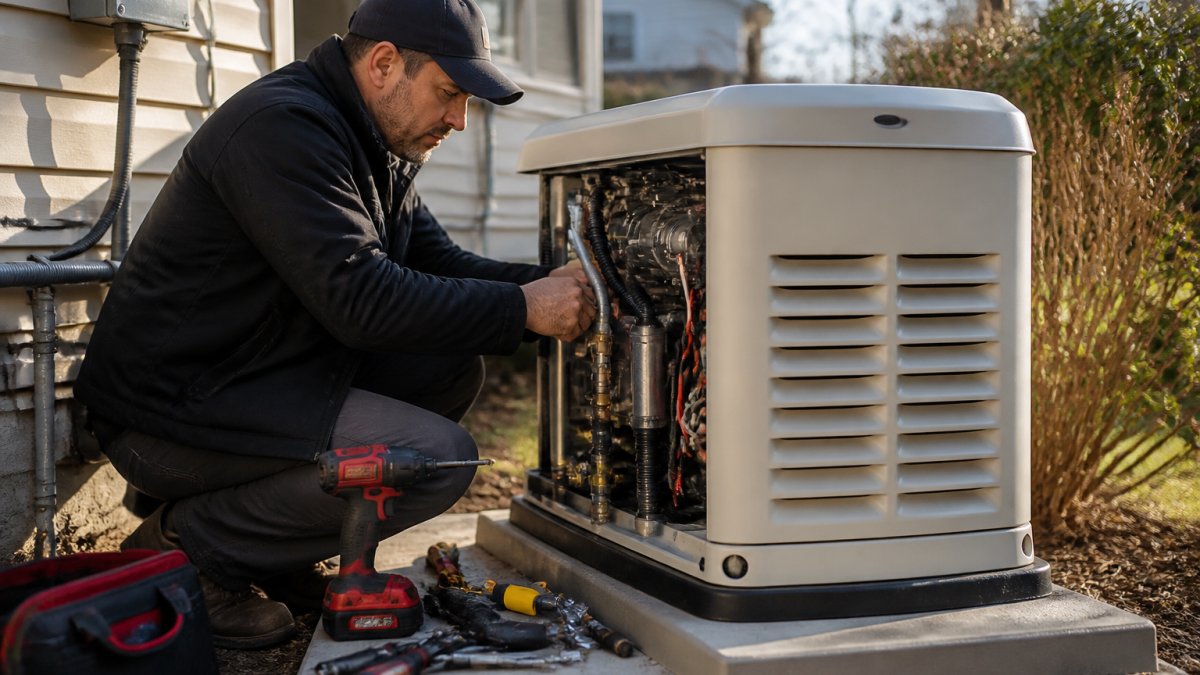
A professional whole-house generator installation follows a structured process designed to ensure safety, efficiency, and long-term reliability. Understanding what's involved helps you prepare and know what to expect.
Load Calculation and Generator Sizing
Before equipment is ordered, a professional installer performs a detailed load calculation, one of the most critical steps homeowners overlook. This determines which appliances and systems you want to run during an outage and calculates the total electrical demand when running simultaneously.
A load calculation typically accounts for:
- Essential circuits: HVAC systems, water heaters, refrigerators, freezers, well pumps (if applicable), sump pumps, lighting, and medical equipment
- Starting loads: Motors and compressors draw significantly more power when starting than when running; a professional accounts for this surge
- Simultaneous operation: Which appliances will actually run at the same time? Running a water heater and electric range together requires more capacity than running them separately
An undersized generator leaves you without power for critical loads; an oversized one wastes money and fuel. A professional installer uses this calculation to recommend the right size.
Fuel-Type Selection and Supply Setup
Once sized, the installer helps you choose the fuel type best suited to your situation:
Natural Gas: Unlimited utility supply, no storage needed, lowest operating cost, but depends on utility infrastructure and requires coordination with the gas utility. Best for homes with existing gas service.
Propane: Works anywhere, independent of utilities, stored on-site, but requires tank installation and periodic refueling. Best for rural areas or homes wanting fuel independence.
Diesel: High energy density, long shelf life, but higher fuel cost, requires on-site storage, and more maintenance. Best for larger systems.
Site Assessment and Placement
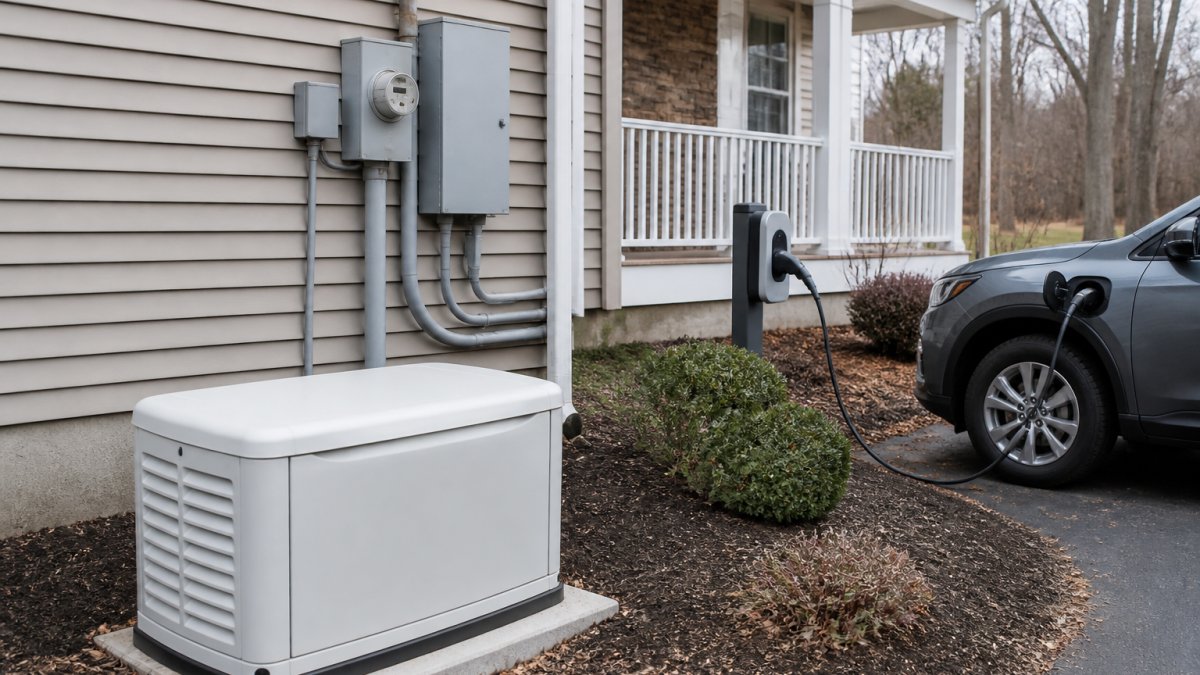
The installer evaluates your property for the best location, considering clearances from windows and doors (per NEC and local codes), noise impact (generators produce 70-85 decibels at 25 feet), adequate ventilation to prevent overheating, fuel access, drainage, and maintenance space. In areas like Bristol, Waterbury, Wallingford, and West Hartford, where properties vary widely, this assessment is essential to meeting code and ensuring reliable operation.
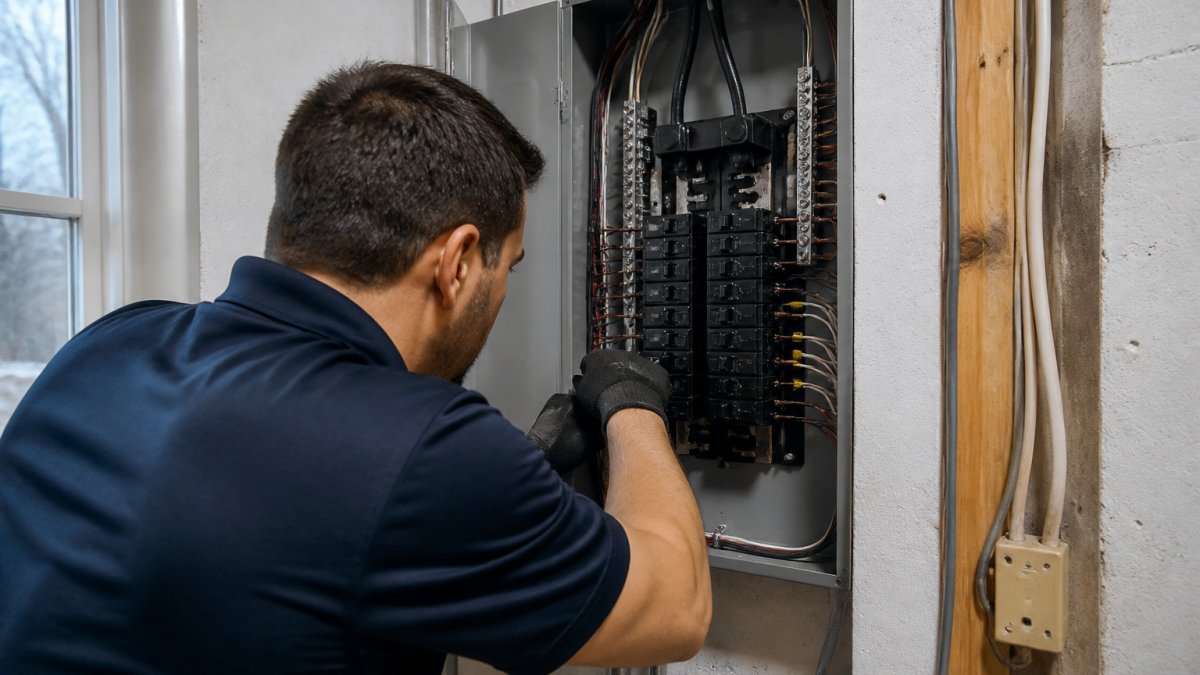
Electrical Panel Integration and Transfer Switch Installation
The transfer switch must be sized correctly and wired to code. A professional installer ensures all connections are tight, properly grounded, and labeled, and programs appropriate delay times: utility outage detection (5-10 seconds), generator startup, and return-to-utility delay (5 minutes) to ensure utility power is stable.
A manual transfer switch requires you to flip a switch by hand, useful for portable generators but impractical for whole-home backup.
System Testing and Handoff
After integration, the installer tests the entire system under load: generator startup, transfer switch operation, load transfer, shutdown sequence, and fuel system verification. This catches problems before a real outage. The installer provides documentation of the installation, permits, inspection certificates, and a user manual explaining operation, maintenance requirements, and service contact information.
Homeowner Preparation
Before installation, a professional installer will ask you to clear the installation area, identify essential circuits for prioritization, arrange utility access if natural gas is involved, and understand that permits and inspections are required. Clear communication ensures the installation runs smoothly.
Generator Transfer Switch Installation and Automatic Operation
The transfer switch is the brain of your backup power system, monitoring utility power 24/7 and automatically starting the generator during an outage. Professional installation ensures it's wired to the correct circuits, sized for your load, and programmed with appropriate delay times. A poorly installed transfer switch can fail to switch, switch incompletely, or create dangerous backfeed situations where generator power flows into utility lines, a hazard to utility workers and a code violation.
Long-Term Equipment Protection and Reliable Operation
Professional installation sets the foundation for long-term reliability, but only if the system is maintained properly. Generators can run for many years if installed correctly and serviced regularly; poor installation or neglected maintenance shortens equipment life and multiplies repair costs.
How Professional Installation Protects Equipment Life
Fuel Line Sizing: Undersized lines starve the engine; oversized lines waste money.
Ventilation and Heat Management: Improper ventilation causes overheating, accelerating wear and triggering shutdowns.
Secure Mounting and Vibration Control: Loose mounting allows vibration to damage connections and components. A professional uses proper hardware, ensures a level foundation, and secures all connections.
Weather Protection and Corrosion Prevention: Proper placement minimizes exposure to standing water, salt spray, and wind-driven rain, extending electrical component life and preventing corrosion.
Maintenance Intervals and Service Plans
After installation, regular maintenance keeps the system reliable. A professional installer recommends a maintenance schedule:
Monthly Exercise Runs: Start the generator under load for 10-15 minutes monthly to keep the engine conditioned and prevent fuel degradation. This also tests the transfer switch.
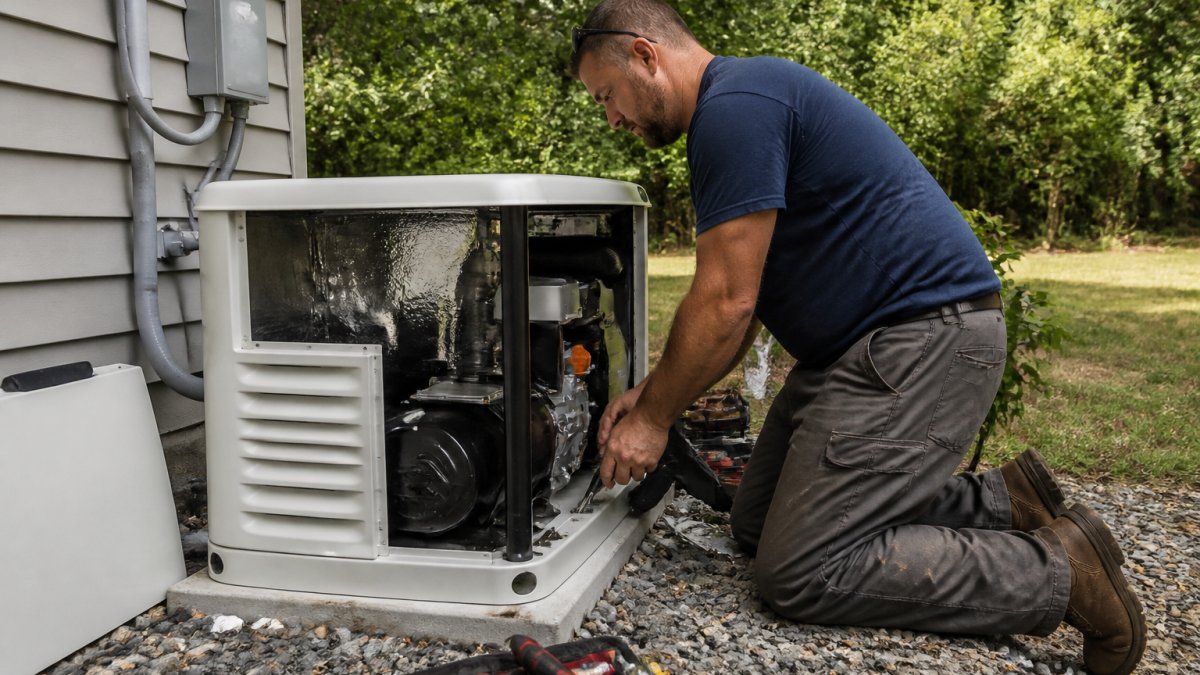
Annual Service Checks: A professional should inspect and service the generator yearly: oil and filter change, air filter inspection, fuel system inspection, battery check, transfer switch test, load test, and visual inspection of connections and wiring.
Fuel Stabilization: For propane and diesel systems, fuel stabilizer during annual service extends shelf life and prevents varnish buildup. Natural gas systems don't require this.
Transfer Switch Testing: During annual service, a professional tests the transfer switch multiple times to confirm it detects outages, starts the generator, transfers load, and returns to utility power smoothly.
Service Plans and Support Options
Many professional installers, including BEARS Electric, offer service plans that bundle maintenance, priority response, and parts coverage. Service plans remove the burden of remembering maintenance schedules and ensure your system is checked by a professional who knows your installation.
Real-World Reliability: The Difference Installation Quality Makes
A generator installed correctly and maintained regularly can run reliably for many years. Common failures in poorly installed or unmaintained systems include transfer switch failure, fuel system leaks, engine overheating, electrical connection failures, and battery failure, all preventable through professional installation and regular maintenance.
Connecting Installation Quality to Long-Term Dependability
When you choose professional installation, you're investing in a system that protects your home for decades. A professional installer should provide clear documentation, a recommended maintenance schedule, contact information for service and emergency support, and warranty information. A professional who stands behind their work will be transparent about maintenance needs and available for ongoing support.
Home Generators and Property Resale Value
Homebuyers increasingly view whole-house generators as valuable, especially in outage-prone regions. A professionally installed, permitted, inspected, and documented generator adds real value. An unpermitted or amateur installation creates resale problems: code violations, required remediation, or price reductions. A well-maintained system with documented maintenance increases buyer confidence.
How Professional Installation Protects Your Investment
Professional installation protects your investment by ensuring the system works when needed, preserving warranty coverage (most manufacturers require licensed installation), preventing costly damage from backfeed or improper grounding, and giving you a trusted professional for future service and maintenance.
| Installation Factor | Professional | DIY/Amateur |
|---|---|---|
| Code Compliance | Verified and inspected | Uncertain, may violate code |
| Warranty Coverage | Preserved | Often voided |
| Safety Testing | Comprehensive | Minimal or skipped |
| Transfer Switch Operation | Reliable and automatic | May fail during outage |
| Fuel System Safety | Tested and certified | Risk of leaks or malfunction |
| Future Service Access | Documented and supported | May need new contractor |
Conclusion
Professional generator installation is the difference between a backup power system that works reliably and one that fails when you need it most. It ensures your system meets electrical code, operates safely, protects your home and appliances, and provides the peace of mind that comes with knowing your family has reliable power during outages.
When you choose professional installation from BEARS Electric, you're choosing a team with 12 years of experience, transparent pricing with no hidden fees, a satisfaction guarantee, and the commitment to get the job done right.
Frequently Asked Questions
What are the benefits of professional generator installation?
Professional generator installation ensures your system operates safely, meets all electrical codes and local regulations, and functions reliably during power outages. Licensed electricians perform proper site assessments, correctly size your generator, install transfer switches that protect your electrical panel, and handle fuel supply setup. This expertise prevents costly installation mistakes, extends equipment lifespan, and provides peace of mind knowing your backup power system is installed to manufacturer specifications and local standards.
Why should a generator be installed by a professional?
Professional installation protects your home and family from electrical hazards. Improper generator installation can cause electrocution risks, fire hazards, and damage to your electrical panel and appliances. Licensed electricians understand how to safely integrate your generator with your home's electrical system using proper transfer switches, grounding, and circuit protection. They also ensure your installation passes local inspections and maintains your generator's warranty coverage, which often requires professional installation by a certified technician.
How does professional installation help a generator operate safely?
Professional installation includes proper grounding, correct transfer switch configuration, and fuel supply setup that prevents backfeeding electricity into the grid, which can endanger utility workers. Licensed electricians ensure your generator is sized correctly for your electrical load, positioned appropriately for ventilation and emissions, and connected with adequate fuel supply lines. They test the system thoroughly, verify automatic operation, and ensure all connections meet National Electrical Code (NEC) standards, which significantly reduces fire, explosion, and electrocution risks.
Does a professionally installed generator add value to a home?
A professionally installed standby generator can increase your home's resale value and appeal to buyers, particularly in areas prone to frequent power outages. Buyers recognize that a properly installed whole-house generator provides reliable backup power and peace of mind during emergencies. However, the value added depends on local market conditions, generator type and capacity, and documentation of professional installation and maintenance. A generator installed by a licensed electrician with proper permits and inspections demonstrates quality workmanship and increases buyer confidence in the system's reliability.
What does professional generator installation include?
Professional installation includes a comprehensive site assessment to determine generator placement, fuel supply requirements, and electrical load calculations. The installer sets up fuel connections (natural gas or propane lines), installs a transfer switch on your electrical panel, integrates the generator with your home's electrical system, performs system testing and commissioning, and verifies automatic operation. Licensed electricians also pull necessary permits, coordinate inspections with local authorities, and provide documentation and warranty information. Many professionals offer follow-up maintenance and testing to ensure long-term reliable operation.
Can a licensed electrician install a Generac generator?
Yes, licensed electricians are qualified to install Generac standby generators and other major brands. In fact, most manufacturers recommend or require installation by a licensed, certified professional to maintain warranty coverage. Licensed electricians have the training and credentials to handle electrical integration, transfer switch installation, fuel supply setup, code compliance, and system testing. When hiring an installer for any standby generator, verify they hold current electrical licensing, carry proper insurance, and have experience with your specific generator model and your local electrical codes.
How long does standby generator installation take?
Standby generator installation time varies depending on site conditions, fuel supply availability, and electrical panel modifications needed. Your installer should provide a timeline estimate after the initial site assessment. Professional installers strive for efficiency while ensuring every connection meets code and operates safely.