 ultimate-guide
Bristol: Essential Guide for Homeowners & Residents
Table of Contents
- Bristol: A Community Overview
- History and Heritage of Bristol
- Downtown Bristol and Local Attractions
- Electrical Panel Upgrade Considerations for Older Homes
- Home Generator Installation for Reliable Power Protection
- EV Charger Installation: Preparing Your Home's Electrical System
- Electrical Service Preparation Checklist for Homeowners
- Dining, Shopping, and Community Resources
- Frequently Asked Questions
Last Updated: October 14, 2026
Bristol: A Community Overview
Bristol is a central Connecticut town blending historic charm with modern convenience, balancing small-town character with the amenities homeowners expect. Understanding what Bristol offers, from infrastructure to residential needs, helps you make informed decisions about your home and community.
At BEARS Electric, we've spent over 12 years serving homeowners throughout Bristol and the surrounding communities, from Terryville to Plainville to Waterbury. Bristol residents face unique electrical challenges, particularly in older properties that require careful planning for modern upgrades.
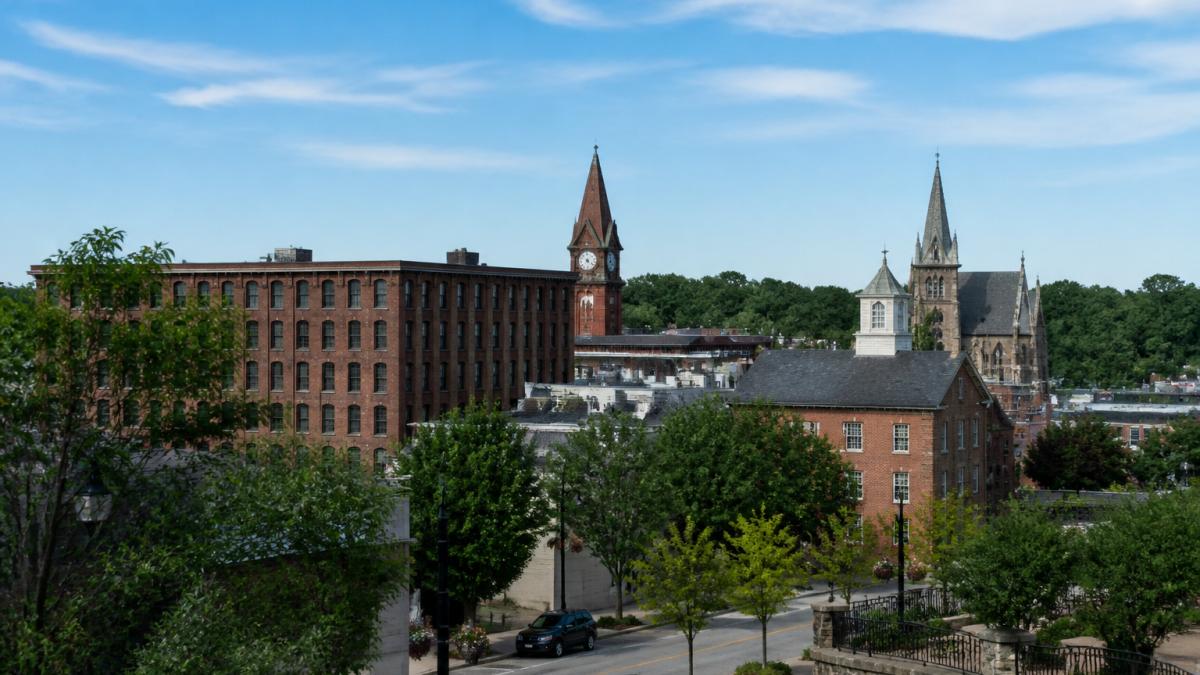
History and Heritage of Bristol
Bristol's history stretches back centuries, developing as an agricultural and manufacturing center. Many homes built during its industrial heyday, particularly the late 1800s and early 1900s, remain occupied today, creating a housing stock that blends historical charm with contemporary demands.
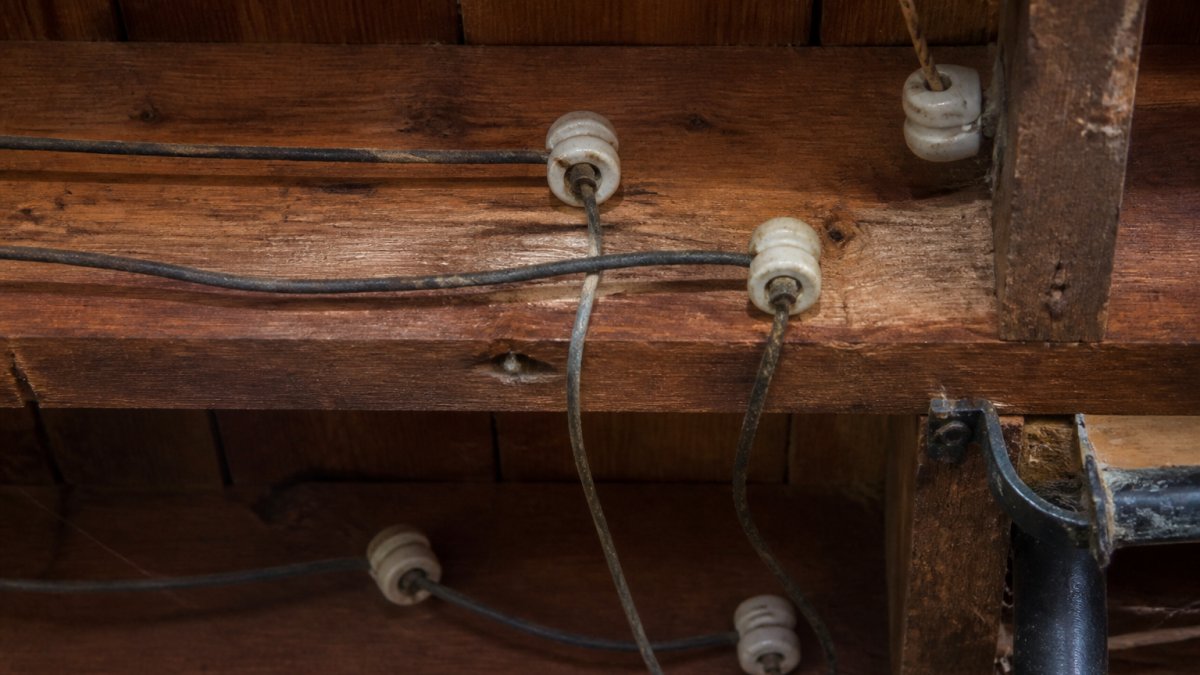
Bristol's architectural heritage directly affects electrical planning. Older homes often feature original wiring designed for the loads of their era, a house built in 1920 might have a 60-amp or 100-amp panel, adequate for gas lighting and minimal appliances.
Bristol's heritage extends beyond its buildings. Strong civic traditions mean homeowners often engage directly with town planning and building departments when undertaking home improvements.
Downtown Bristol and Local Attractions
Downtown Bristol anchors the community with a compact, walkable core of historic commercial buildings, independent storefronts, and civic gathering spaces, blending late-19th- and early-20th-century architecture with modern signage and renovated interiors.
What visitors and residents actually find downtown
- Historic commercial blocks with original brick facades, many of which house restaurants, professional offices, and small retail.
- Civic and cultural anchors including the public library and municipal buildings that host community programming year-round.
- Parks and green space within walking distance of the commercial core, used for seasonal events, farmers markets, and family gatherings.
- A rotating calendar of community events, parades, holiday lighting, and street festivals, that draw residents from Bristol, Terryville, Plainville, and Unionville into the same few blocks.
A quick note on which "Bristol" you're reading about
Search results for "Bristol" mix several places with the same name, a city in England, a town in Rhode Island, a city in Connecticut, and communities in Tennessee and Virginia. This guide covers Bristol, Connecticut, in Hartford County, roughly 20 miles southwest of Hartford and within the 06010 ZIP area.
Practical trip-planning details competitors skip
What actually helps you plan a day downtown:
| Planning question | What to know |
|---|---|
| Best time to visit | Weekday mornings for errands and quiet streets; weekend afternoons for events and dining |
| How long to allow | Two to three hours covers the walkable core; a half day if you add parks and a meal |
| Getting there | Accessible from I-84 and Route 72; on-street and lot parking near the commercial core |
| Getting around | The downtown core is walkable; a car is helpful for reaching surrounding neighborhoods and nearby towns like Southington, Farmington, and Wolcott |
| Accessibility | Sidewalks and curb cuts vary by block because of the older building stock, plan routes in advance if mobility is a concern |
| Seasonal notes | Summer and early fall are busiest; winter events cluster around the holidays |
Why downtown matters to homeowners, not just visitors
Many downtown buildings are older structures with electrical systems never designed for modern commercial loads, point-of-sale systems, commercial kitchen equipment, HVAC, and lighting retrofits. Owners frequently need service upgrades, dedicated circuits, and code corrections before they can open, expand, or pass inspection. BEARS Electric has worked with downtown property owners, bringing older systems into compliance without stripping the character out of the buildings.
Audience-specific ways to spend a downtown visit
- Families: pair the walkable core with a nearby park and a casual lunch; keep the visit to two to three hours.
- History enthusiasts: focus on the historic commercial blocks and civic buildings, then extend to the town's heritage sites.
- Short-stay visitors: park once near the core, walk the main corridor, and pick one restaurant, you can cover the essentials in an afternoon.
- Residents running errands: the downtown core concentrates services, so combine a hardware stop, a pharmacy run, and a meal in one trip.
Electrical Panel Upgrade Considerations for Older Homes
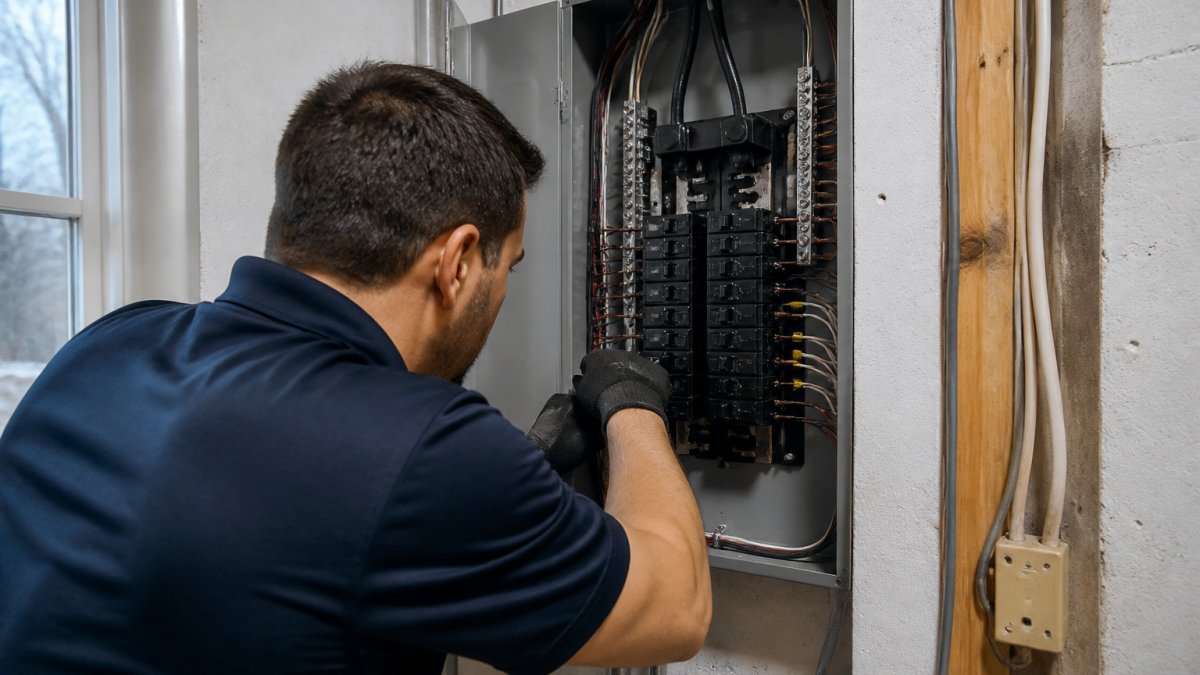
Homes throughout the service area, particularly in neighborhoods like Terryville, Plantsville, and Unionville, often have electrical panels undersized for modern demands. A panel upgrade is one of the most important investments an older-home owner can make.
Your electrical panel is the central hub distributing power to all circuits. If yours is 60 or 100 amps, you're likely limited when running multiple appliances at once.
The first factor is your home's actual electrical needs based on lifestyle and plans. Adding an EV charger, installing a home generator, or planning a kitchen renovation significantly increases power demands.
The second consideration is existing infrastructure. Some Bristol homes have outdated wiring or service entrance components that require replacement alongside the panel upgrade, affecting timeline and complexity.
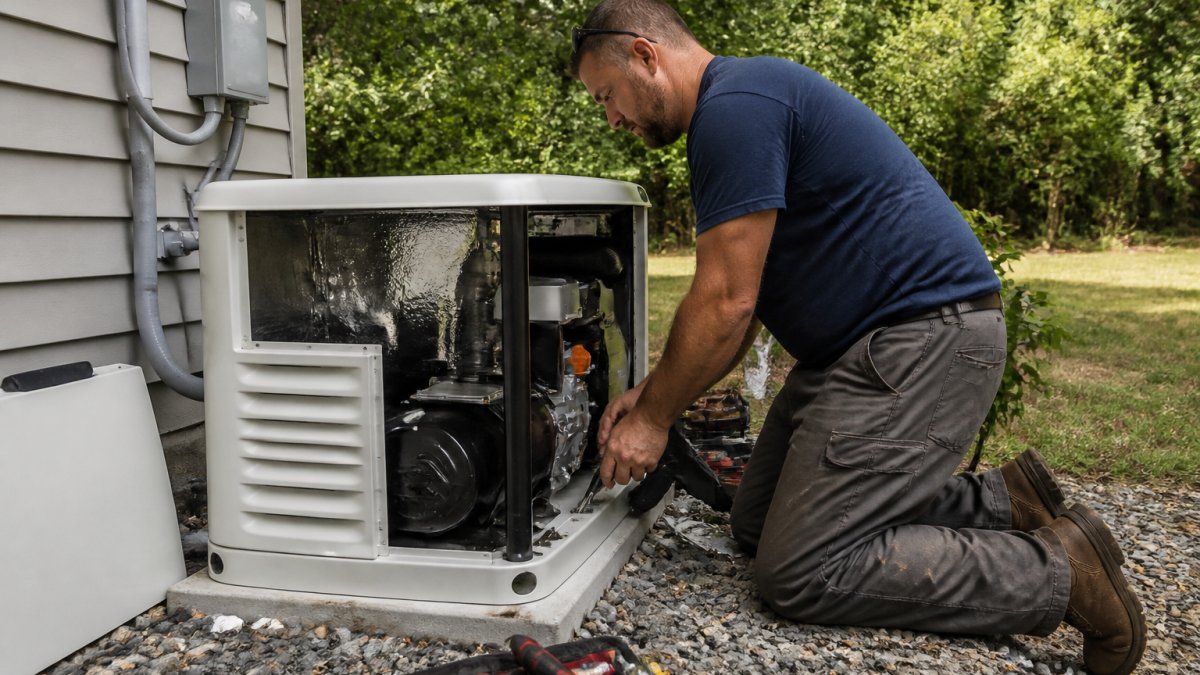
Home Generator Installation for Reliable Power Protection
Power outages affect communities throughout central Connecticut. Severe weather, grid maintenance, and infrastructure issues can leave homes without electricity for hours or days.
A home generator installation involves more than purchasing equipment and connecting it. Proper installation requires understanding your home's electrical system, sizing the generator appropriately, and ensuring safe operation.
Installation begins with assessing which circuits and appliances you want to power during an outage, your entire home, or just essentials like heating, refrigeration, and lighting. This decision affects generator size and cost.
Homeowners installing generators must also consider local permitting. The town requires permits for generator installations, and inspections ensure the work meets code.
EV Charger Installation: Preparing Your Home's Electrical System
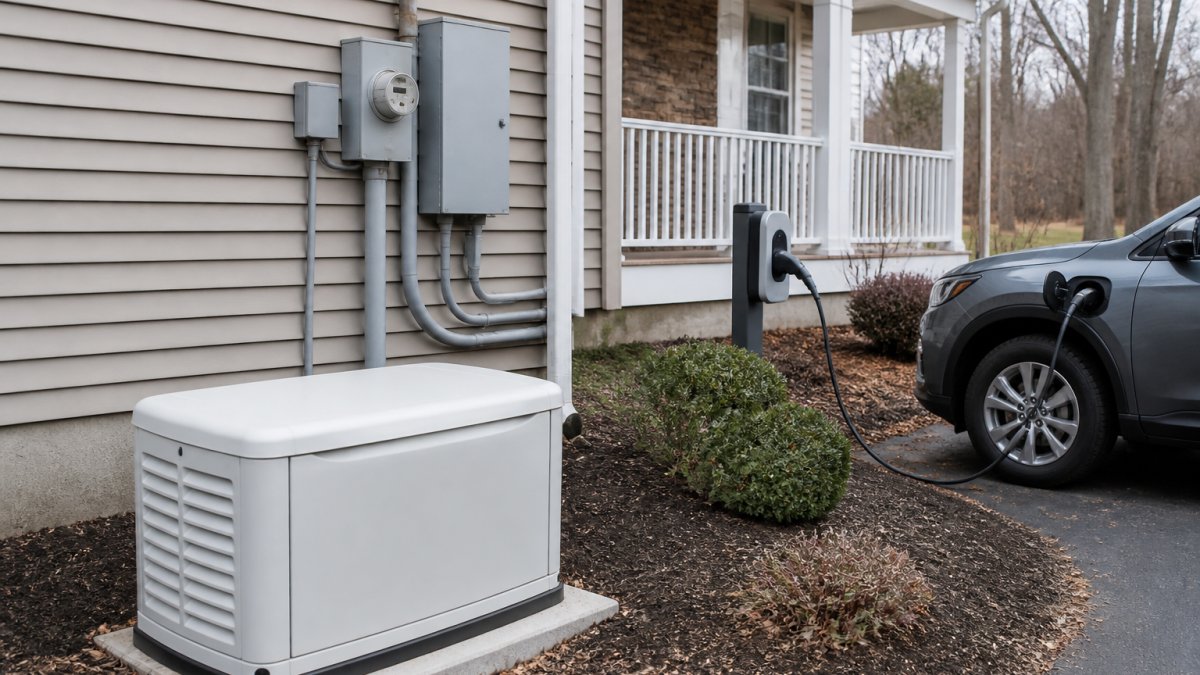
Electric vehicle adoption is accelerating throughout the service area and surrounding communities like Cheshire, Berlin, and Wethersfield.
Most homes can support EV charger installation, but the process varies by electrical service. A Level 1 charger uses a standard 120-volt outlet and charges slowly, suitable only for infrequent driving.
Installing a Level 2 charger typically requires running a dedicated circuit from your panel to the charging location.
Installation also involves selecting the right charger for your vehicle and home configuration. Some chargers are hardwired, while others plug into a dedicated outlet.
Electrical Service Preparation Checklist for Homeowners
Preparing your home's electrical system for upgrades or repairs requires understanding what to expect and how to prepare. This checklist helps homeowners approach electrical projects with confidence.
| Preparation Step | What to Do | Why It Matters |
|---|---|---|
| Assess current system | Note panel size, breaker types, and any recurring issues | Helps electrician understand your baseline |
| Document future plans | List planned upgrades (EV charger, generator, renovations) | Ensures system is sized appropriately |
| Clear panel access | Remove storage or obstacles around electrical panel | Allows safe inspection and work |
| Identify outages | Note which circuits power which areas | Helps prioritize during generator sizing |
| Schedule inspection | Call for a professional evaluation before major work | Catches issues early and prevents surprises |
| Understand permits | Ask your electrician about required town permits | Ensures work meets local codes |
| Plan for access | Ensure electrician can reach all necessary areas | Speeds up installation and reduces complications |
| Arrange inspections | Coordinate with town building department timing | Ensures prompt approval and no delays |
Before any electrical work begins, talk with your electrician about what to expect, timeline, disruptions, and required permits. BEARS Electric provides transparent communication throughout every project, explaining what we're doing and why.
Dining, Shopping, and Community Resources
Bristol's day-to-day livability comes down to the practical stuff: where you eat, where you shop, and which local institutions you rely on, plus the demographic and cost context residents and prospective movers search for.
Dining
Dining in Bristol spans casual and sit-down options, densest around the downtown core with additional choices along the main commercial corridors:
- Casual cafes and coffee shops for quick stops and remote work.
- Family-style and diner options that anchor weekend routines.
- Independent restaurants serving Italian, American, and international menus.
- Chain and fast-casual options along the larger retail corridors for convenience.
Residents in Terryville, Plainville, and Burlington often drive into the area for dinner, a sign of the local restaurant scene's depth.
Shopping
Retail in Bristol splits into two patterns:
- Downtown and neighborhood retail, hardware, specialty shops, and services within walking distance of the core.
- Corridor retail, grocery, big-box, and chain stores along the main commercial routes, with additional options a short drive away in Southington, New Britain, and Farmington.
For homeowners, the practical takeaway: most project supplies, electrical, plumbing, hardware, are available locally, shortening the back-and-forth of renovation work.
Community resources
- Public library with programming for children, teens, and adults.
- Public schools serving families across the town and neighboring communities.
- Parks and recreation with fields, trails, and seasonal programming.
- Civic and volunteer organizations that run events and support services.
- Municipal offices, including the building department, which handles permits and inspections for electrical, plumbing, and structural work.
Population, demographics, and cost context
This matters if you're considering a move or comparing Bristol to nearby towns.
- Population: Bristol is one of the larger communities in the greater Hartford area, with a population in the tens of thousands. For current figures, the U.S. Census Bureau's QuickFacts and the American Community Survey are the most reliable sources.
- Housing stock: A significant share of homes were built before 1950, which is why electrical service upgrades, knob-and-tube or early romex wiring, and 60-amp or 100-amp panels come up so often in local renovation conversations.
- Cost of living: Bristol generally tracks below the statewide average for housing costs, attracting buyers priced out of West Hartford, Avon, and Simsbury. Verify current utility, tax, and insurance figures with the town assessor and your utility provider.
- Commute: Access to I-84 and Route 72 puts Hartford, Waterbury, and New Britain within a reasonable drive, supporting the town's role as a commuter base.
How this connects to your home's electrical system
Older housing stock, a commuter population adding EV chargers and home offices, and a climate that drives generator demand all converge on one conclusion: Bristol homes tend to need more electrical capacity than they were built with. BEARS Electric serves homeowners across the service area, handling panel upgrades, generator installations, EV charger wiring, and code corrections.
U.S. Census Bureau QuickFacts for current population and housing data
Frequently Asked Questions
What makes Bristol, Connecticut different from other towns in the area?
The service area is a historic community with deep roots in manufacturing and clock-making heritage. Located in central Connecticut, it serves as a hub for residents across Terryville, Plainville, Unionville, and surrounding towns. The community combines small-town charm with modern amenities, offering downtown attractions, local dining, shopping, and strong civic services. For homeowners, established neighborhoods feature a mix of older historic homes and newer construction, each with unique electrical needs and upgrade considerations.
When should homeowners consider an electrical panel upgrade?
An electrical panel upgrade becomes necessary when your home's electrical demands exceed current capacity, typically indicated by frequent breaker trips, dimming lights during appliance use, or when planning major additions like EV charger installation or home generator systems. Older homes in the service area often have 100-amp panels that struggle with modern electrical loads. A licensed electrician can assess your panel's condition and recommend upgrades to ensure safe, reliable power distribution throughout your home.
What should I prepare before scheduling an electrical service visit?
Before an electrician arrives, clear access to your electrical panel and any areas requiring work. List specific issues you've noticed, such as flickering lights, faulty outlets, or safety concerns. Document when problems occur and which circuits are affected. Ensure someone is home to grant access and answer questions about your home's age and previous electrical work. This preparation helps the electrician diagnose issues quickly and provide accurate service recommendations.
Is a home generator worth installing in Bristol?
Yes, home generator installation provides valuable protection against power outages, which can last hours or days during storms. For homeowners in the service area, a generator ensures continuous power for heating, refrigeration, medical equipment, and security systems. Backup power protects your family's safety and prevents food spoilage and property damage. A professional can assess your home's needs and recommend the right generator size and installation approach for your specific situation.