 ultimate-guide
Why Electrical Panel Upgrades Increase Home Value
Table of Contents
- The Hidden Cost of an Outdated Electrical Panel
- Signs You Need a New Electrical Panel
- Benefits of a 200 Amp Service Upgrade
- Electrical Rewiring Cost for Old Homes: What Drives the Price
- How Panel Upgrades Boost Resale Value and Marketability
- Panel Types and Compatibility: What Buyers and Inspectors Look For
- ROI Calculation Examples: When Upgrades Pay Off
- Frequently Asked Questions
Last Updated: October 2, 2026
The Hidden Cost of an Outdated Electrical Panel
An outdated electrical panel is a liability that quietly erodes your home's value long before you list it, which is why electrical panel upgrades matter more than most homeowners realize. Most homeowners in the Bristol area don't think about their service panel until something fails, but why electrical panel upgrades increase home value comes down to one uncomfortable truth: buyers and inspectors look at the panel first.
Fire Hazard and Safety Risks
Older panels were built for a fraction of today's electrical load. When a panel can't handle the demand, breakers trip, wiring heats up, and the risk of a fire hazard climbs. Federal data from the U.S. Fire Administration on residential electrical fires shows that electrical failures and malfunctions remain a leading cause of home fires.
Overloaded Circuits and Power Distribution Failures
An overloaded circuit is what happens when more current flows through a wire than it was rated to carry. In older homes, this shows up as lights that dim when the refrigerator kicks on, breakers that trip during a vacuum run, or outlets that simply stop working. Power distribution across a maxed-out panel becomes uneven, and every new appliance adds strain.
Signs You Need a New Electrical Panel
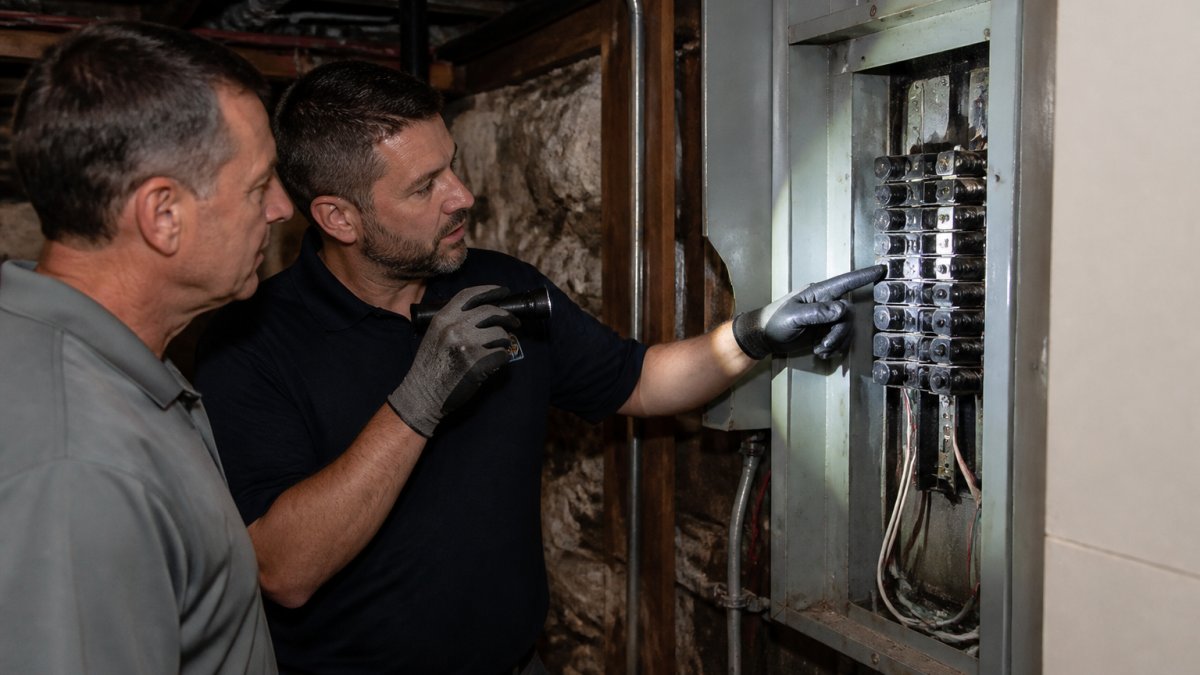
The clearest signs you need a new electrical panel are frequent breaker trips, flickering lights, a burning odor near the panel, rust or scorch marks on the enclosure, and fuses instead of breakers. If your panel is a 60-amp or 100-amp unit and you've added central air, an electric range, or a hot tub, you're already past its limit.
Benefits of a 200 Amp Service Upgrade
A 200-amp service upgrade gives a modern home roughly double the electrical capacity of a standard 100-amp panel, which is why it's the default recommendation for most renovations. The benefits of a 200 amp service upgrade come down to headroom: you can run central air, a heat pump, an EV charger, and a full kitchen without juggling breakers.
Support for Modern Appliances and EV Chargers
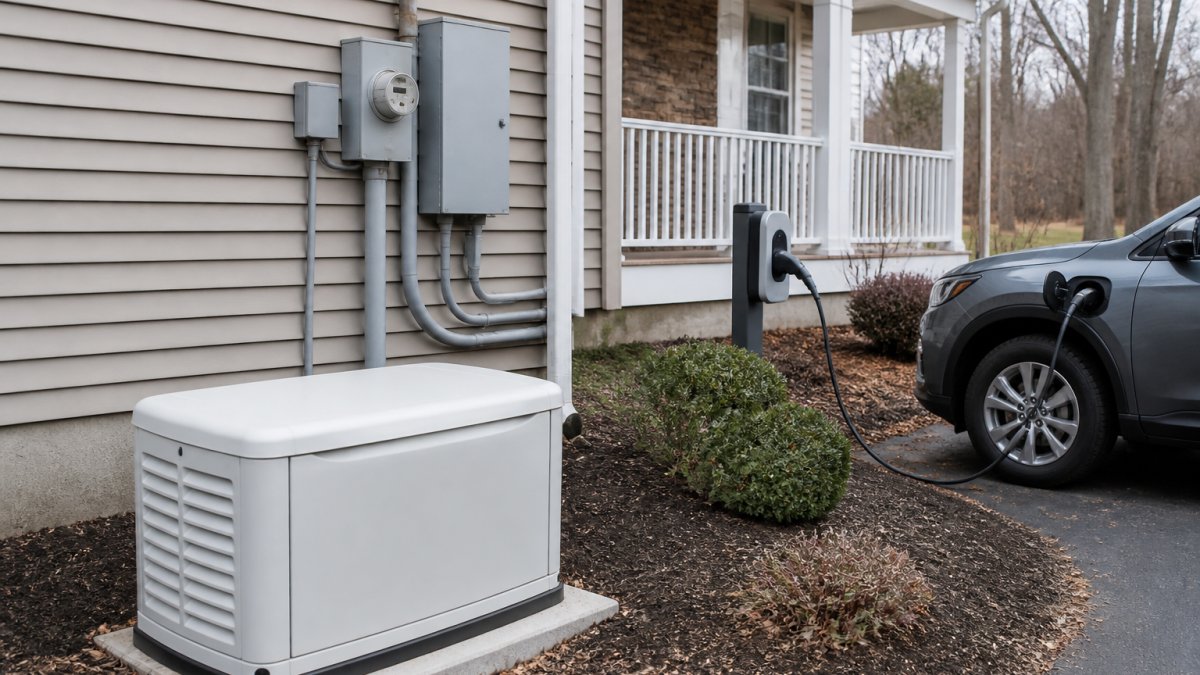
Modern appliances draw far more than their 1980s counterparts, and an EV charging station can pull as much current as an entire older home. A 200-amp panel with dedicated circuits handles a Level 2 charger without starving the rest of the house. For homeowners in Southington, Plainville, or New Britain planning an EV purchase, the panel is usually the first thing that needs attention.
Smart Home and Heat Pump Compatibility
Smart home devices, heat pump systems, and whole-house surge protection all add circuits. A sub-panel off a 200-amp main service is often the cleanest way to dedicate capacity to a garage, addition, or home office. Without that capacity, smart home integration becomes a game of unplugging one thing to run another.
Electrical Rewiring Cost for Old Homes: What Drives the Price
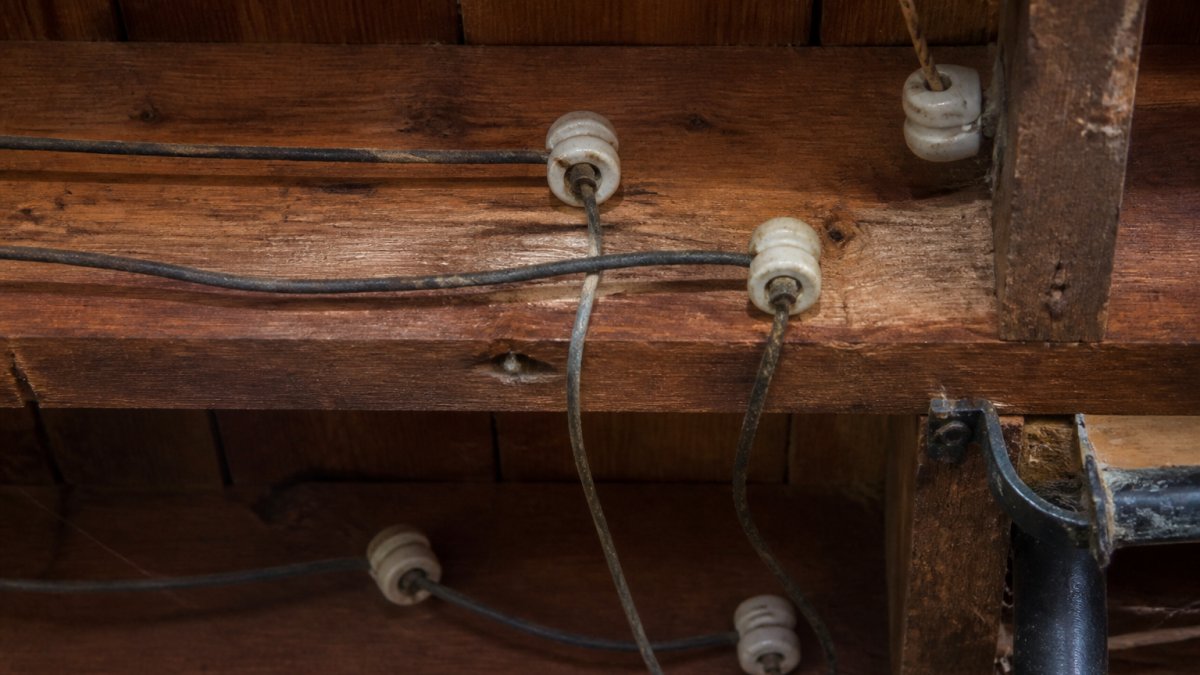
Electrical rewiring cost for old homes depends on four things: the age and type of existing wiring, how much of the wall has to be opened, the size of the service upgrade, and whether the home has knob-and-tube or aluminum branch circuits. A panel swap on a home with modern wiring is a contained job.
| What Drives the Price | Why It Matters | What to Expect |
|---|---|---|
| Wiring type | Knob-and-tube or aluminum needs replacement | Higher labor and material |
| Wall access | Plaster and finished walls add repair work | Drywall or patching included |
| Service size | 100-amp to 200-amp upgrade | New meter base and main breaker |
| Permit requirements | Local inspection and sign-off | Added timeline and fees |
How Panel Upgrades Boost Resale Value and Marketability
Panel upgrades boost resale value by removing the single most common deal-breaker in a home inspection, and by keeping the home insurable. A buyer's inspector flags an outdated electrical system, the buyer's lender or insurer raises a question, and the sale stalls. A documented, permitted panel upgrade turns that liability into a selling point. The value isn't a line item on the appraisal; it's the difference between a home that closes and one that sits.
Passing Home Inspection and Code Compliance
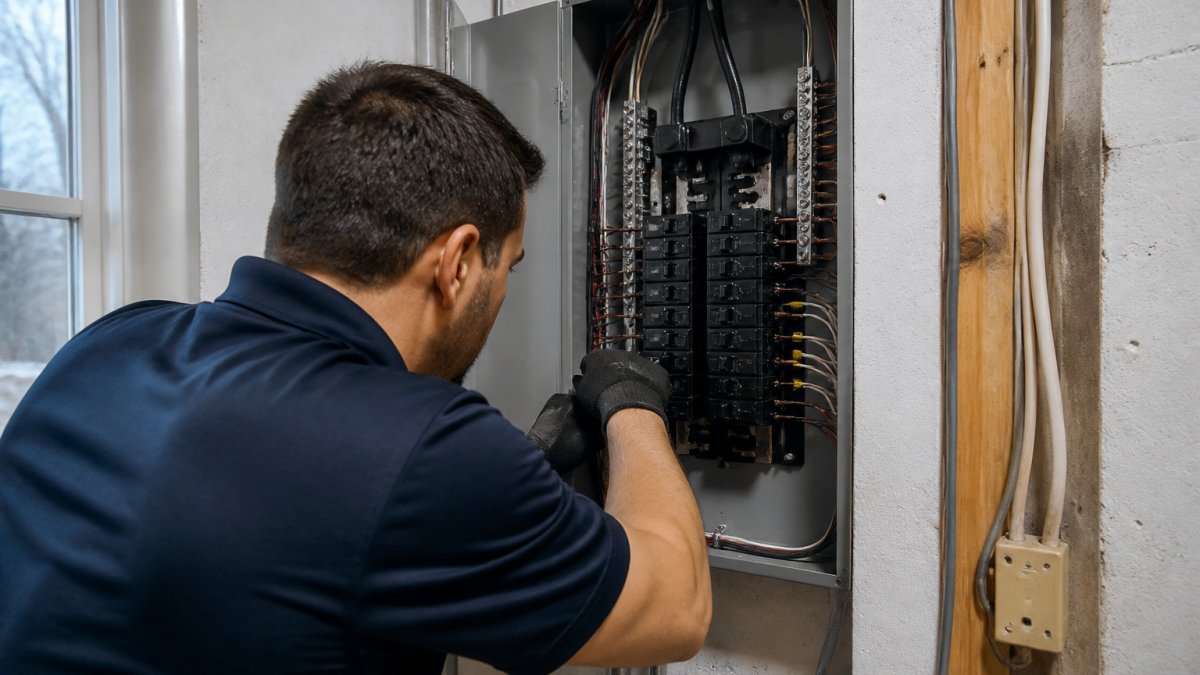
An inspector will check the service panel, grounding and bonding, breaker labeling, the main disconnect, and whether the panel brand is on the known-problem list. A permitted upgrade with a passed inspection gives a buyer proof the work was done to current code. Unpermitted electrical work does the opposite, it can void a sale, force a re-inspection at your expense, or trigger a demand that the work be redone by a licensed electrician before closing.
- Double-tapped breakers, two wires under one terminal, which most panel manufacturers don't allow.
- Missing or unlabeled circuits, inspectors want a clear directory, not a hand-written index card.
- Improper grounding and bonding, especially common where a panel was replaced decades ago without updating the grounding electrode system.
- Undersized service, a 100-amp service feeding central air, an electric range, and a dryer.
- Legacy panel brands, Federal Pacific Stab-Lok and Zinsco panels are widely flagged by inspectors and insurers because of documented failure and breaker-tripping issues, and replacement breakers can be hard to source.
Insurance Premium Reduction and Property Appraisal
Insurance carriers price risk, and an outdated electrical system is one of the risks they underwrite. A modern, inspected panel with a documented permit history supports better terms or, at minimum, fewer coverage questions at binding. Some carriers will decline to write a policy, or write it with an electrical exclusion, on a home with a fuse box or a known-problem panel brand.
The Hidden Cost of Not Upgrading
The cost of inaction is easiest to see at the closing table. A stalled sale means carrying costs, mortgage, taxes, insurance, and utilities on a home you've already moved out of, plus the credit you eventually give the buyer, plus the upgrade you pay for anyway, under time pressure, at whatever the schedule allows.
Panel Types and Compatibility: What Buyers and Inspectors Look For
Panel types and compatibility matter because not all panels are equal, and some legacy brands have known failure issues or discontinued parts. Inspectors and buyers look for a modern panel with available breakers, clear labeling, and a main breaker that matches the service size.
- Fuse boxes: 60-amp or lower, no longer adequate for most homes.
- Legacy breaker panels: Some brands are flagged for failure risk and hard-to-source parts.
- Modern 200-amp panels: Standard for new construction and renovations, with room for a sub-panel.
- Sub-panels: Useful for detached garages, additions, and EV charging station circuits.
ROI Calculation Examples: When Upgrades Pay Off
The return on a panel upgrade is easiest to see in avoided costs, not added ones. Most articles stop at "it increases value" and never show the math. Here are three before-and-after scenarios that play out in this market every month.
Scenario 1: The Sale That Stalls on Inspection
A homeowner lists a 1960s ranch with a 100-amp fuse box. The buyer's inspector flags the panel, the missing grounding electrode conductor, and unlabeled circuits. The buyer's lender won't clear the loan until the electrical items are addressed, and the buyer's insurer won't bind without an electrical exclusion.
Scenario 2: The Upgrade Bundled With a Renovation
A homeowner is planning a kitchen remodel, an EV charger in the garage, and a heat pump to replace an aging furnace. Each of those adds load, and the existing 100-amp service won't carry all three.
Scenario 3: The Proactive Upgrade Before Listing
A homeowner upgrades the panel a year before listing, pulls the permit, and keeps the inspection paperwork. When the home goes on the market, the electrical section of the inspection report comes back clean. The buyer's insurer binds without an electrical exclusion. The appraiser's condition rating reflects a well-maintained home.
How to Think About the Math
The upgrade pays off fastest when it's bundled with work you're already doing, and it costs the most when it's forced by a deadline you didn't set. The pattern across all three scenarios is the same: the panel upgrade is rarely the thing that adds dollars to the sale price. It's the thing that stops dollars from being subtracted, through buyer credits, carrying costs, re-inspections, and insurance exclusions.
- Bundled with a renovation: labor and permits shared, disruption minimized, upgrade pays off fastest.
- Done proactively before listing: clean inspection, no negotiation, no insurance questions.
- Forced by a stalled sale: highest total cost, least leverage, upgrade happens anyway.
Frequently Asked Questions
Does updating your electrical panel increase home value?
Yes, electrical panel upgrades increase home value by making the home safer and more marketable. A modern panel passes home inspection and supports today's electrical load, which reassures buyers and appraisers. It can also reduce insurance premiums and prevent deal-breaking issues. In competitive markets, a documented upgrade signals a well-maintained home, often leading to faster sales and stronger offers.
Is upgrading your electrical panel worth it?
It is worth it when your current panel is outdated, overloaded, or fails inspection. Benefits include improved safety, capacity for modern appliances and EV chargers, and fewer insurance headaches. While costs vary by home, the investment often pays off through increased resale value and avoided repair negotiations. If you plan to stay long-term, you also gain daily reliability and peace of mind.
What is the 80% rule for electrical panels?
The 80% rule means you should not continuously load a circuit breaker beyond 80% of its rated amperage. For a 100-amp panel, that is 80 amps of continuous use; for 200 amps, it is 160 amps. Exceeding this can cause overheating and tripped breakers. If your home regularly approaches that limit, it is a sign you need a new electrical panel with higher capacity.
Can I get a federal tax credit for upgrading my electrical panel?
Federal tax credits may be available for certain electrical upgrades that improve energy efficiency, such as heat pumps or solar-ready panels, but panel upgrades alone often do not qualify. Check current IRS guidelines or consult a tax professional. Some utility rebates may also apply. Regardless of credits, the long-term savings from energy efficiency and increased home value can offset the project.
An outdated panel is the kind of problem that stays invisible until it costs you a sale, a claim, or worse. BEARS Electric has handled panel upgrades, EV charger installations, and complex wiring repairs across the Bristol area since 2012, with transparent pricing, same-day service when you need it, and a satisfaction guarantee on every job. Get a free quote from BEARS Electric and find out exactly what your home needs before it becomes someone else's negotiating leverage.