 ultimate-guide
Is It Safe to Live in a House With Knob and Tube Wiring?
Table of Contents
- What Knob and Tube Wiring Actually Is
- Is It Safe to Live in a House With Knob and Tube Wiring?
- Signs of Outdated Electrical Wiring You Should Never Ignore
- Why Do My Lights Flicker in House? What It Says About Your Wiring
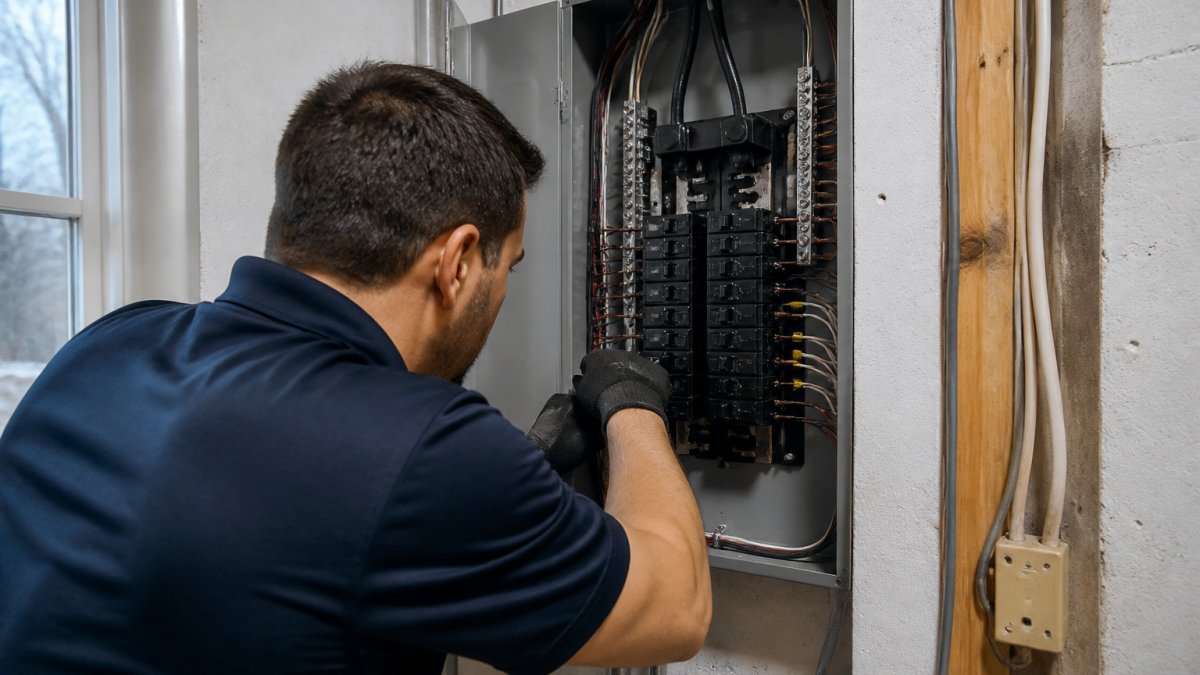
- Electrical Panel Upgrade Requirements When Knob and Tube Is in the Mix
- Partial vs. Full Rewiring: Which One Solves the Problem
- Insurance, Home Sales, and Knob and Tube Wiring
- Frequently Asked Questions
Last Updated: October 2, 2026
What Knob and Tube Wiring Actually Is
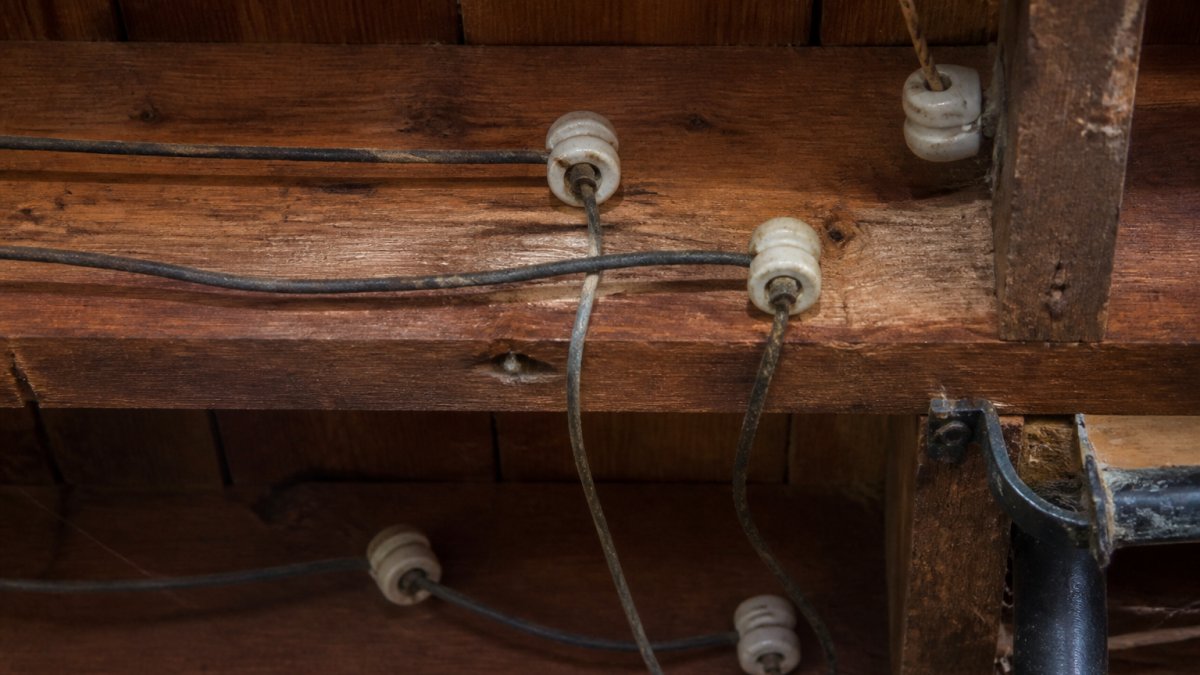
Knob and tube wiring is an early electrical system, common in homes built between the 1880s and the 1940s, that runs single-insulated copper conductors along floor joists and wall cavities, supported by white ceramic knobs and protected where it passes through wood by ceramic tubes. There is no ground wire, and the hot and neutral conductors run separately rather than bundled in a cable.
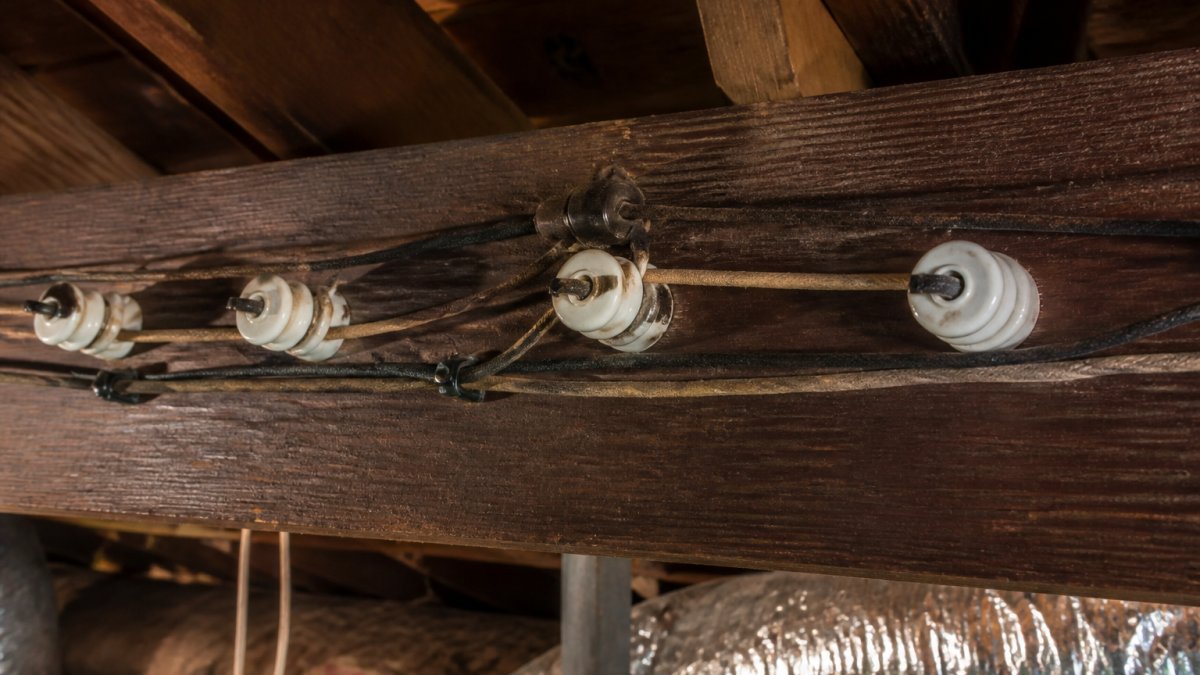
Is It Safe to Live in a House With Knob and Tube Wiring?
The short answer: it can be safe to live in a house with knob and tube wiring if the system is intact, unbundled, and covered by insulation-free air space, but most homes with it have at least one condition that makes continued use a gamble. The honest answer depends on inspection, not on the age of the wire.
The Real Risks: Insulation, Heat, and No Ground Wire
Three problems define the hazard profile. First, the absence of a ground wire means there is no safe path for fault current, which raises shock risk and complicates modern appliance installation. Second, the conductors were designed to dissipate heat into open air, so when thermal insulation is blown or laid over them, heat builds up with nowhere to go. Third, the cloth and rubber insulation on the conductors becomes brittle with age, cracking and exposing bare copper.
When It Crosses From Old to Dangerous
The system crosses into dangerous territory when it has been modified. Splicing knob and tube into modern cable, adding junctions outside approved boxes, or extending circuits to reach a new addition all create failure points the original design never anticipated. Deterioration alone is a slow problem. Splicing is a fast one.
Signs of Outdated Electrical Wiring You Should Never Ignore
Signs of outdated electrical wiring include warm or discolored outlet covers, a burning smell near switches, flickering or dimming lights, breakers that trip repeatedly, and two-prong outlets with no ground. Any one of these warrants a professional safety assessment rather than a wait-and-see approach.
Walk your home and check for these:
- Two-prong receptacles with no ground slot
- Ceramic knobs or tubes visible in the basement or attic
- Cloth-wrapped wiring instead of plastic-sheathed cable
- Outlet covers that feel warm to the touch
- Scorch marks or darkened faceplates
- A fuse box rather than a circuit breaker panel
- Buzzing or crackling sounds from switches
Why Do My Lights Flicker in House? What It Says About Your Wiring
Why do my lights flicker in house is one of the most common questions homeowners ask, and the answer usually comes down to a loose connection, an overloaded circuit, or a voltage drop caused by undersized or deteriorating wiring. In a knob and tube home, flickering is often the first visible symptom of a circuit under strain.
Flickering has several causes, and they carry different weight:
- One fixture flickers: usually a loose bulb or a failing fixture connection.
- Lights on one circuit flicker together: a loose splice or a junction box problem.
- Lights dim when a large appliance kicks on: a load capacity issue, common on older circuits.
- Whole-house flicker: often points to the service panel or the utility feed.
Electrical Panel Upgrade Requirements When Knob and Tube Is in the Mix
Electrical panel upgrade requirements vary by jurisdiction, but in most cases a panel replacement does not by itself require removing existing knob and tube circuits. The two are separate systems, and a new panel can coexist with old wiring, provided the circuits are properly protected and labeled.
- Total service amperage and available capacity
- Whether existing circuits are properly grounded
- Condition of the wiring feeding the panel
- Local code requirements for the work you're planning
Partial vs. Full Rewiring: Which One Solves the Problem
Partial rewiring replaces only the circuits that are damaged, overloaded, or feeding high-demand areas, while a full rewire removes the entire knob and tube system and replaces it with modern grounded cable. Partial work costs less and disrupts less, but it leaves the remaining old circuits in place, and that is where the details matter.
How Partial Rewiring Actually Works
A partial rewire is not simply swapping outlets. It means running new cable from the panel to specific rooms or circuits, installing grounded receptacles on those runs, and either capping off the old knob and tube circuits or leaving them in place for the loads they can still safely carry. The old and new systems coexist at the panel, not spliced together in a wall.
When Piggybacking Is Unsafe
Piggybacking is unsafe whenever any of these are true:
- The knob and tube run has no equipment ground and the new load requires one
- The old circuit is already near its ampacity limit
- The splice is made outside an approved junction box
- The old insulation is brittle or missing at the splice point
- The circuit feeds a kitchen, laundry, bathroom, or any area with high-draw appliances
In those cases, the correct move is to run a new home run to the panel, not to extend the old circuit.
What Forces a Full Rewire
A full rewire becomes the practical answer when:
- Insulation covers multiple circuits, heat buildup is systemic, not isolated
- Active splicing or unpermitted additions are present, failure points are unpredictable
- Walls are already open for a renovation, the marginal cost of replacing wiring in those walls is far lower than coming back later
- The panel is being replaced anyway, bundling the work avoids paying for access twice
- You're selling within a few years, a full rewire removes a buyer objection outright
The Decision Framework
| Situation | Recommended Approach | Why |
|---|---|---|
| One or two circuits, rest of system intact | Partial rewiring | Targeted fix, lower disruption |
| Insulation covering multiple circuits | Full rewiring | Heat buildup risk is systemic |
| Active splicing or unpermitted additions | Full rewiring | Failure points are unpredictable |
| Renovation opening walls | Full rewiring | Access is already there |
| Selling within a few years | Full rewiring | Removes a buyer objection |
| Limited budget, no urgent hazards | Partial, then phase the rest | Manageable if monitored |
The decision hinges on access. If you're already opening walls, the marginal cost of replacing the wiring in those walls is far lower than coming back later. That is the single biggest factor most homeowners overlook.
Insurance, Home Sales, and Knob and Tube Wiring
Insurance carriers and mortgage lenders treat active knob and tube wiring as a risk factor, but the phrase "hard to insure" hides the part that actually matters: what an underwriter wants to see before issuing a policy. The gap most articles leave is the checklist. Here is what carriers commonly ask for, and how to get ahead of it.
What Underwriters Typically Look For
Requirements vary by carrier and by state, but a common pattern is a documented safety assessment from a licensed electrician covering:
- Circuit-by-circuit condition, which runs are intact, which show brittle or missing insulation, and which have been spliced into modern cable
- Insulation contact, confirmation that no thermal insulation is laid over or blown around the conductors
- Grounding status, whether the panel and any updated circuits are properly grounded, and which receptacles remain two-prong
- Overcurrent protection, fuse box versus breaker panel, and whether circuit sizing matches the loads actually connected
- Evidence of modification, unpermitted junctions, pigtailed outlets, or extensions into additions
- Photos and a written scope, carriers frequently want images of the panel, the attic or basement runs, and any problem areas
Documentation That Satisfies Most Carriers
A licensed electrician's safety assessment is the document that does the most work. Ask for it in writing with the items above addressed, plus the electrician's license number and a date. Keep permits and inspection reports on file. If a carrier agrees to a rewiring timeline, get that timeline written into the policy so a future renewal doesn't reopen the question.
Buying and Selling
For sellers, disclosure matters. Undisclosed knob and tube that surfaces during a home inspection can derail a closing or force a price reduction. For buyers, a home inspection that flags the system is not automatically a dealbreaker, it is a negotiating point, and the safety assessment is what turns it from a vague concern into a defined scope of work.
The Long View
Knob and tube lasted decades because it was well built. The problem is not that it was made badly. The problem is that the demands placed on it changed while the wire stayed the same, and insurance underwriting is simply the market pricing that mismatch.
Frequently Asked Questions
How risky is knob and tube wiring in a modern home?
The wiring itself was built to handle the electrical load of its era, which was far smaller than what a modern home draws. The risk grows when the system is buried under thermal insulation, spliced into newer circuits, or asked to carry heavy loads from modern appliances. A licensed electrician can assess the actual condition of the wiring, including insulation integrity and load capacity, and tell you whether it can stay or should be replaced.
Will insurance cover a house with knob and tube wiring?
Many homeowners insurance carriers will not write a new policy on a home with active knob and tube wiring, and some will non-renew an existing policy once they learn about it. Requirements vary by carrier, and some will underwrite the policy only if a licensed electrician certifies the system or if a partial rewiring is completed. Call your carrier before you make an offer on a home with knob and tube, so you know the underwriting rules up front.
Can knob and tube wiring be partially replaced?
Yes. A partial rewiring replaces the circuits that carry the heaviest loads, such as kitchen, bathroom, laundry, and any circuit feeding modern appliances, while leaving the remaining knob and tube in place. This is often the practical middle path for homeowners in older Central Connecticut homes who are not ready for a full rewire. A licensed electrician can map which circuits must go first based on amperage, load capacity, and where the wiring runs through insulation.
What are the common signs of failing knob and tube wiring?
Watch for flickering or dimming lights, warm or discolored outlet covers, a burning smell near switches, scorch marks around junction boxes, and circuit breakers that trip repeatedly. Brittle or crumbling insulation on visible wires in the basement or attic is another warning sign. Any of these point to deterioration or overheating, and you should have a licensed electrician perform a safety assessment before the problem escalates into an electrical fire hazard.