 ultimate-guide
Best Electrical Safety Practices for Old Homes
Table of Contents
- Signs of Outdated Electrical Wiring You Should Never Ignore
- Why Do My Lights Flicker in House? Understanding Overloaded Circuits
- AFCI vs GFCI Protection Requirements for Older Homes
- Your Electrical Safety Inspection Checklist for Older Properties
- Electrical Panel Upgrades, Extension Cords, and Appliance Safety
- Insurance Implications and Budgeting for Electrical Retrofits
- When to Call a Licensed Electrician for Your Old Home
- Frequently Asked Questions
Last Updated: September 30, 2026
Signs of Outdated Electrical Wiring You Should Never Ignore
The best electrical safety practices for old homes start with knowing what hidden hazards look like before they fail. In homes across Bristol, Southington, and Farmington, wiring that has quietly served for decades can turn dangerous without warning. At BEARS Electric, we understand the importance of identifying potential hazards before they escalate.
Knob-and-Tube and Aluminum Wiring: The Hidden Hazards
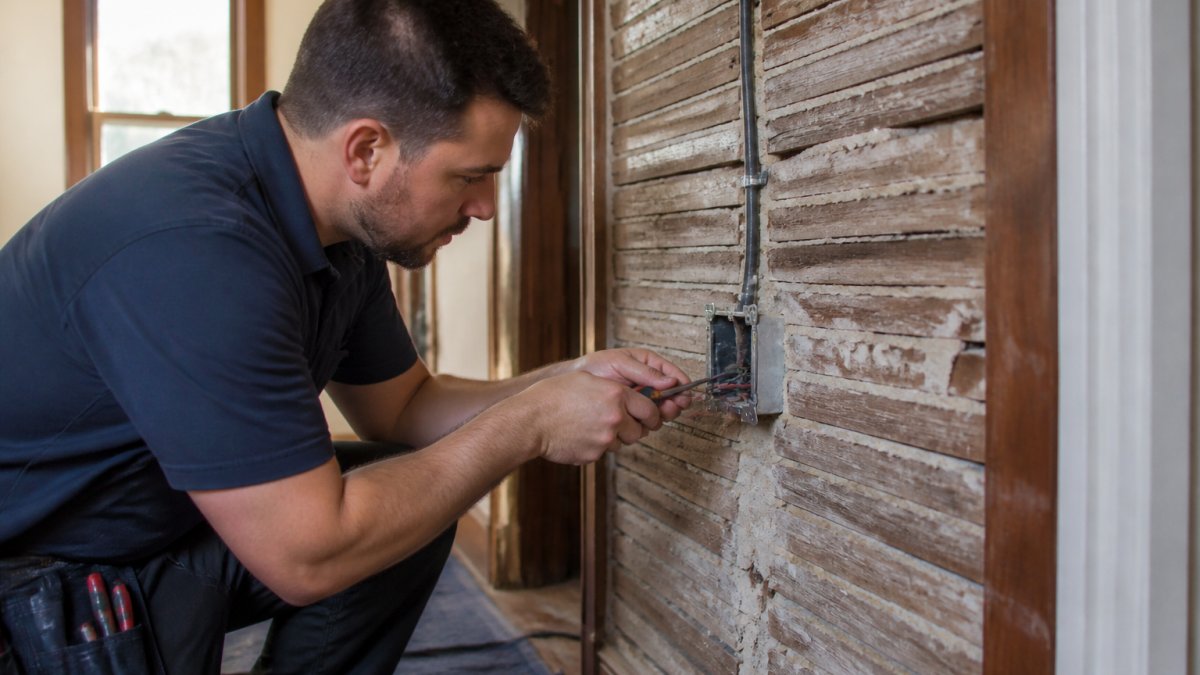
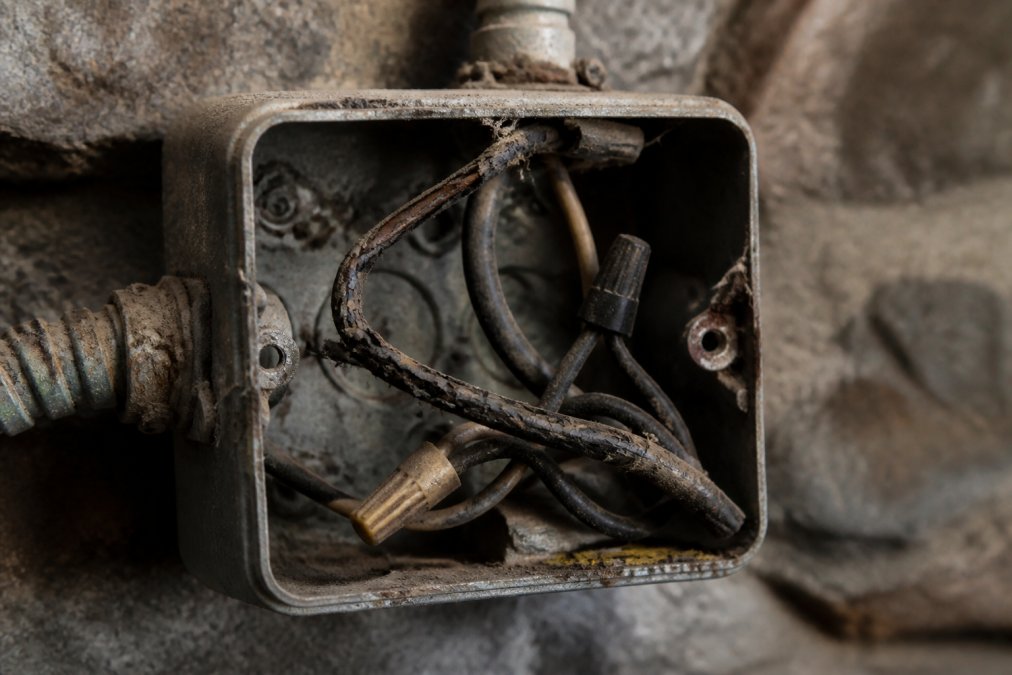
Knob-and-tube wiring is an early electrical system that runs individual conductors through ceramic knobs and tubes instead of modern cable sheathing. It has no ground wire, and its cloth insulation becomes brittle with age. Aluminum wiring, common in homes built between the mid-1960s and mid-1970s, expands and contracts differently than copper, which loosens connections at outlets and switches over time.
Thermal Damage, Frayed Insulation, and Scorched Outlets
Scorched outlets, discolored switch plates, and a faint burning smell near a receptacle are not cosmetic issues. They signal thermal damage, meaning heat has already built up at a connection. Frayed insulation on any visible wiring, especially near junction boxes, means the conductor is one contact away from a short circuit.
Why Do My Lights Flicker in House? Understanding Overloaded Circuits
Lights that flicker when an appliance kicks on usually point to an overloaded circuit, not a failing bulb. An overloaded circuit draws more current than its breaker or wiring is rated to carry, and the flicker is voltage sag as the load spikes.
The 80% Rule for Circuit Breakers and Electrical Load
The 80% rule states that a circuit breaker should carry no more than 80% of its rated amperage continuously, a 15-amp breaker should handle about 12 amps sustained. Heat-producing appliances like space heaters, microwaves, and hair dryers push past that threshold quickly, which is why they trip breakers in older homes so often.
AFCI vs GFCI Protection Requirements for Older Homes
GFCI protection guards against shock, while AFCI protection guards against fire. A ground fault circuit interrupter (GFCI) cuts power when it detects current leaking to ground, the scenario behind most electrocutions near water. An arc fault circuit interrupter (AFCI) detects dangerous arcing inside wiring and shuts the circuit down before it ignites.
Where Each Type of Protection Is Required
The National Electrical Code, maintained by the National Fire Protection Association, sets the baseline for where each device belongs. GFCIs go in kitchens, bathrooms, garages, laundry areas, basements, and outdoors. AFCIs go on most branch circuits serving bedrooms, living areas, and other living spaces. Local adoption of the code varies, so a licensed electrician should confirm what applies to your property.
| Protection Type | Guards Against | Typical Locations |
|---|---|---|
| GFCI | Electrical shock | Kitchens, baths, garages, outdoors |
| AFCI | Electrical fires | Bedrooms, living rooms, hallways |
| Whole-home surge device | Voltage spikes | Panel-mounted, all circuits |
Your Electrical Safety Inspection Checklist for Older Properties
An electrical safety inspection checklist helps homeowners spot hazards before they become emergencies. The Electrical Safety Foundation International publishes a homeowner guide that covers most of what you can check yourself safely. Work through these items annually:
- Test every GFCI outlet using its test and reset buttons
- Look for scorch marks, discoloration, or warmth at outlet covers
- Check that no breaker is warm to the touch or repeatedly tripping
- Confirm smoke and carbon monoxide detectors work, with fresh batteries
- Inspect visible wiring in the basement and attic for fraying or chew marks
- Verify each power strip and extension cord is undamaged and correctly rated
- Note any two-prong outlets that should be grounded
- Check the panel for rust, moisture, or a burning smell
Electrical Panel Upgrades, Extension Cords, and Appliance Safety
When a Panel Upgrade Is Actually Required
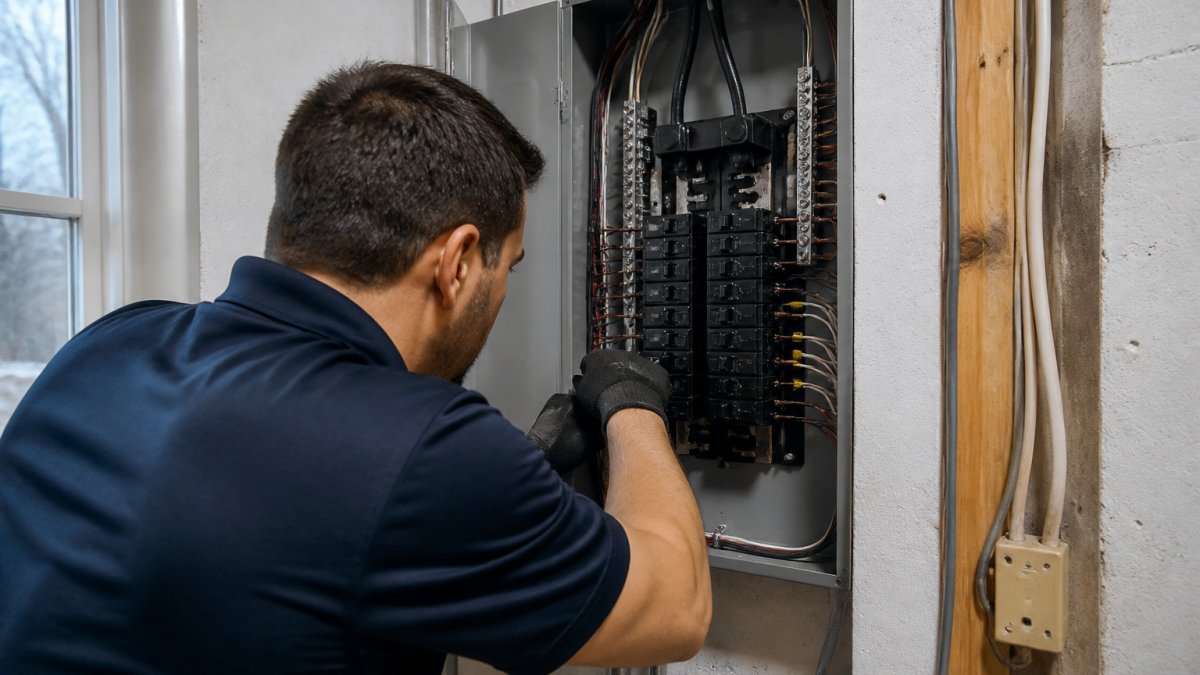
An electrical panel carrying 100-amp service may struggle with modern demand from EV chargers, heat pumps, induction ranges, and home offices sharing a circuit with a space heater. The trigger for an upgrade is rarely age alone, it's a load calculation, the formal math a licensed electrician runs to compare your home's demand against the service rating.
- The service is 100 amps or less and you're adding a 240-volt load (EV charger, heat pump, electric range, or hot tub).
- The panel is a fuse box rather than a breaker panel.
- Breakers trip repeatedly when normal appliances run together.
- The panel is a known problematic model or brand with a history of failure.
- There is no main disconnect, or the panel is rusted, moisture-stained, or buzzing.
Extension Cords and Power Strips: The Rules That Actually Matter
Extension cords and power strips cause a large share of preventable home electrical fires, almost always because a cord or strip is asked to carry more current than its gauge or rating allows.
- Match the cord to the load. A 16-gauge cord is fine for a lamp. A space heater, window air conditioner, or power tool needs a 14-gauge or 12-gauge cord rated for the amperage on the appliance label. Undersized cords heat up at the plug and along the run.
- Never daisy-chain. Plugging a power strip into another power strip multiplies the load on the first cord and defeats the strip's breaker.
- Never run cords under rugs, through doorways, or behind baseboards. Abrasion and pinching damage insulation, and the damage is invisible until it arcs.
- Use cords temporarily. A cord that has been in place for months is permanent wiring, and permanent wiring belongs in the wall.
- Heat-producing appliances plug directly into a wall outlet, per manufacturer instructions. Space heaters, toasters, microwaves, and hair dryers draw more current than most strips are rated to handle, even briefly.
Smart Home Devices and Legacy Wiring
Modern smart devices, hubs, mesh routers, video doorbells, smart thermostats, and high-draw USB-C chargers, add continuous, low-level loads older circuits were never sized for. Individually they're small; collectively, on a bedroom circuit designed for one lamp and a clock radio, they add up.
- Don't stack smart plugs on a single circuit. Each one is a small always-on load, and the outlet itself may be an ungrounded two-prong receptacle that was never intended for a device with a transformer brick.
- Ground the outlet before adding a smart device that requires it. Many smart switches and hubs specify a ground connection. Installing them on an ungrounded circuit defeats the safety design.
- Watch for heat at the plug. A warm transformer brick on a smart plug is a sign the outlet or the circuit is being pushed. Warmth at the cover is a stop-work signal.
- Keep high-draw chargers off shared circuits. A laptop dock, a phone fast-charger, and a monitor on the same bedroom circuit as a space heater is a recipe for a tripped breaker, or worse, a warm outlet that nobody notices.
Insurance Implications and Budgeting for Electrical Retrofits
Most generic safety guides stop at "call an electrician." What they skip is what actually keeps homeowners up at night: whether their policy survives the next renewal, and how to pay for the work without gutting a renovation budget.
How Insurers Actually Evaluate Old Wiring
Underwriting guidelines vary by carrier, but insurers commonly ask about the age of the electrical system, the wiring type, and the service amperage before binding or renewing a policy. Homes with knob-and-tube or aluminum branch wiring frequently land in a higher-risk tier. Reported outcomes fall into four buckets:
- Standard coverage at standard premium, usually requires documented updates such as a panel replacement, grounding, or removal of exposed knob-and-tube in living areas.
- Coverage with a surcharge, the carrier accepts the risk but prices it in.
- Coverage with a repair deadline, the policy is issued on the condition that specified work is completed and inspected within a set window.
- Declination, some carriers simply will not write a policy on ungrounded or fuse-box service, which pushes the homeowner to a surplus-lines market at a much higher rate.
A Phased Approach to Paying for the Work
Retrofitting an entire old home's electrical system at once is rarely necessary or affordable. A more realistic sequence, based on life-safety priority:
- Immediate hazards first. Scorched devices, arcing, exposed conductors, and a panel that is rusted, buzzing, or still using fuses. These are not negotiable and should be addressed before anything cosmetic.
- Grounding and shock protection. Bringing kitchen, bath, garage, laundry, basement, and outdoor receptacles up to GFCI standards, and grounding two-prong outlets in high-use rooms.
- Arc-fault protection on living-area branch circuits, which is where a large share of residential electrical fires originate.
- Service capacity. A load calculation determines whether the existing service can support an EV charger, heat pump, or added square footage. If it can't, the panel and service upgrade comes before the new appliance, not after.
- Whole-home rewiring, which is the largest scope and is usually reserved for homes where knob-and-tube or degraded aluminum is pervasive and inaccessible.
When to Call a Licensed Electrician for Your Old Home
Call a licensed electrician the moment you see scorch marks, smell burning near an outlet, or notice a breaker that trips repeatedly. These are not DIY repairs. A licensed electrician carries the training, permits, and insurance to diagnose the actual cause rather than the symptom.
- Flickering or dimming lights across multiple rooms
- Warm or discolored outlet and switch covers
- A panel that is rusted, buzzing, or labeled "fuses"
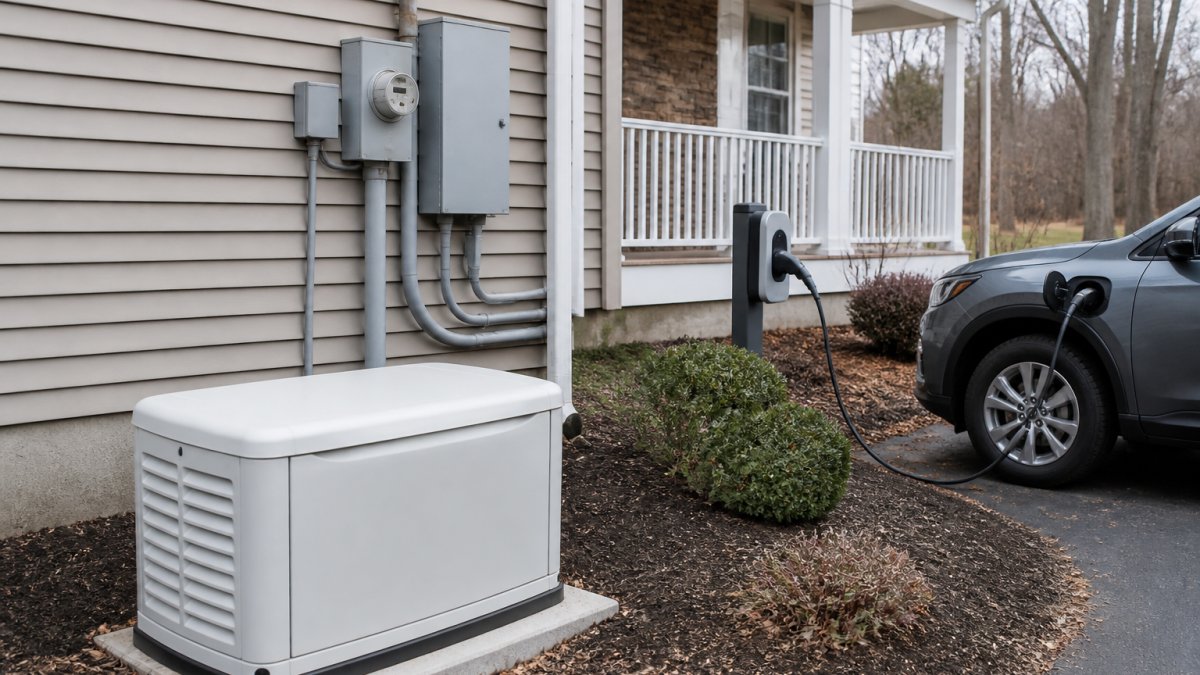
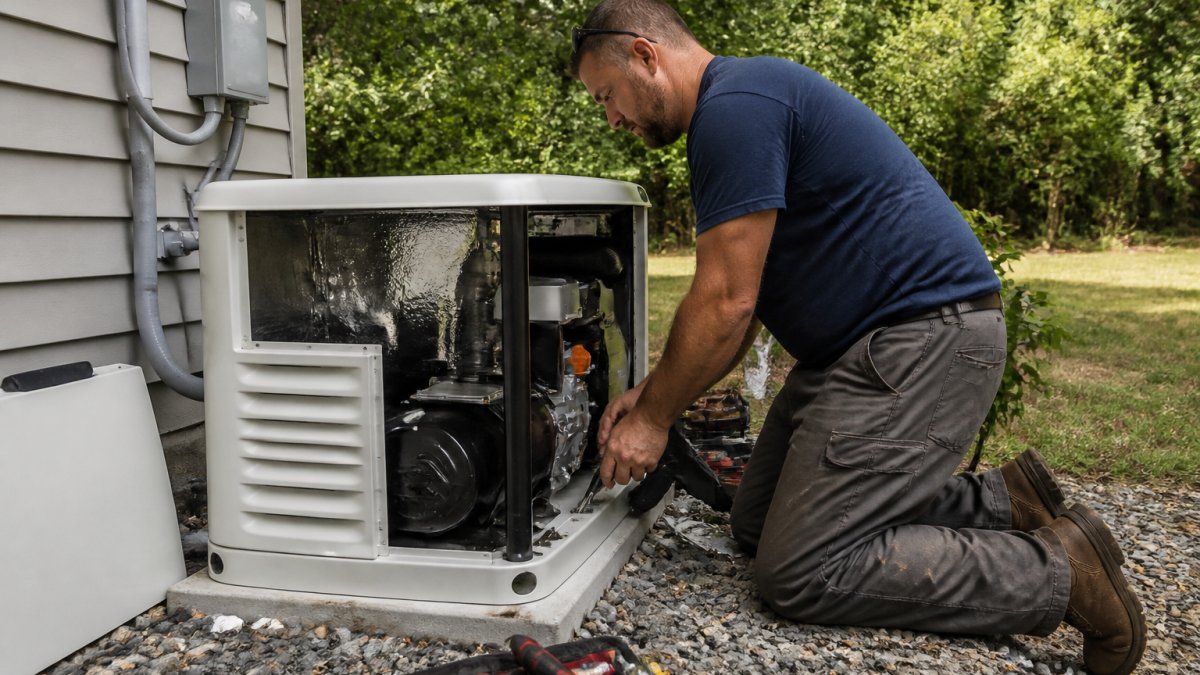
- Any plan to add an EV charger, generator, or major appliance
- Two-prong outlets you want grounded
- Aluminum or knob-and-tube wiring you've discovered during a renovation
Frequently Asked Questions
What is the 80% rule for circuit breakers?
The 80% rule states that a circuit breaker should not carry more than 80% of its rated amperage for continuous loads. For a 15-amp circuit, that means a safe maximum of 12 amps. This prevents overheating and reduces the risk of electrical fires. In older homes with aging wiring, following this rule is critical because insulation and connections may already be compromised. If you frequently trip breakers, call a licensed electrician to assess your electrical load.
Should I replace my fuse box with a circuit breaker?
Yes, replacing a fuse box with a modern circuit breaker panel is strongly recommended for safety and code compliance. Fuse boxes are outdated and cannot handle the electrical demands of modern appliances. They also lack AFCI and GFCI protection. A panel upgrade improves safety, increases capacity, and may lower insurance premiums. Consult a licensed electrician to evaluate your home's electrical system capacity and determine the right upgrade path.
What are the most common electrical hazards in homes built before 1970?
Homes built before 1970 often have knob-and-tube wiring, aluminum wiring, and insufficient grounding. These systems were not designed for today's electrical load from air conditioners, computers, and heat-producing appliances. Other hazards include frayed wiring, overloaded circuits, and lack of GFCI protection in kitchens and bathrooms. Identifying these issues early through an electrical safety inspection can prevent fires and shocks.
How often should an older home have an electrical safety inspection?
An older home should have an electrical safety inspection every 3 to 5 years, or immediately after purchasing the property. If you notice flickering lights, warm outlets, or burning smells, schedule an inspection right away. Regular preventative maintenance helps catch thermal damage, loose connections, and code compliance issues before they become emergencies. A licensed electrician can provide a thorough checklist and recommend upgrades.
Are knob-and-tube wiring systems still considered safe?
Knob-and-tube wiring is not considered safe by modern standards. The wiring insulation can become brittle and frayed, and the system lacks a grounding conductor. It is also difficult to insure. While some homeowners keep it for low-demand circuits, most electricians recommend retrofitting or replacing it entirely. If your home has knob-and-tube, have a licensed electrician assess the risk and discuss upgrade options.
What are the signs of an overloaded electrical circuit?
Signs of an overloaded circuit include flickering lights, warm or discolored outlet covers, a burning smell, and breakers that trip repeatedly. You may also notice dimming lights when appliances turn on. These symptoms indicate the circuit is drawing more amperage than it can safely handle. Avoid using multiple high-wattage devices on one circuit, and call a licensed electrician to evaluate your electrical load and prevent fire hazards.