 ultimate-guide
Residential Generator Installation Cost Analysis 2026
Table of Contents
- Generator Installation Cost Breakdown
- Generator Unit Pricing by Kilowatt Capacity
- Labor and Professional Installation Fees
- How Long Does a Home Generator Last
- Standby Generator Maintenance Requirements
- Generator Permit and Inspection Process
- Hidden Costs and Budget Planning Essentials
- Conclusion
Last Updated: August 23, 2026
Generator Installation Cost Breakdown
Understanding the true cost of a residential generator installation requires breaking down multiple components that homeowners often overlook. The generator installation cost extends far beyond the unit itself, encompassing labor, electrical upgrades, permits, site preparation, and ongoing maintenance. At BEARS Electric, we've guided homeowners through this process, and the biggest mistake we see is underestimating the infrastructure work required to integrate a standby generator into an existing electrical system.
The total investment typically includes five major categories: the generator unit itself, professional installation labor, electrical panel and transfer switch upgrades, permitting and inspections, and site preparation. Each category varies significantly based on your home's existing infrastructure, local building codes, and the generator's capacity.
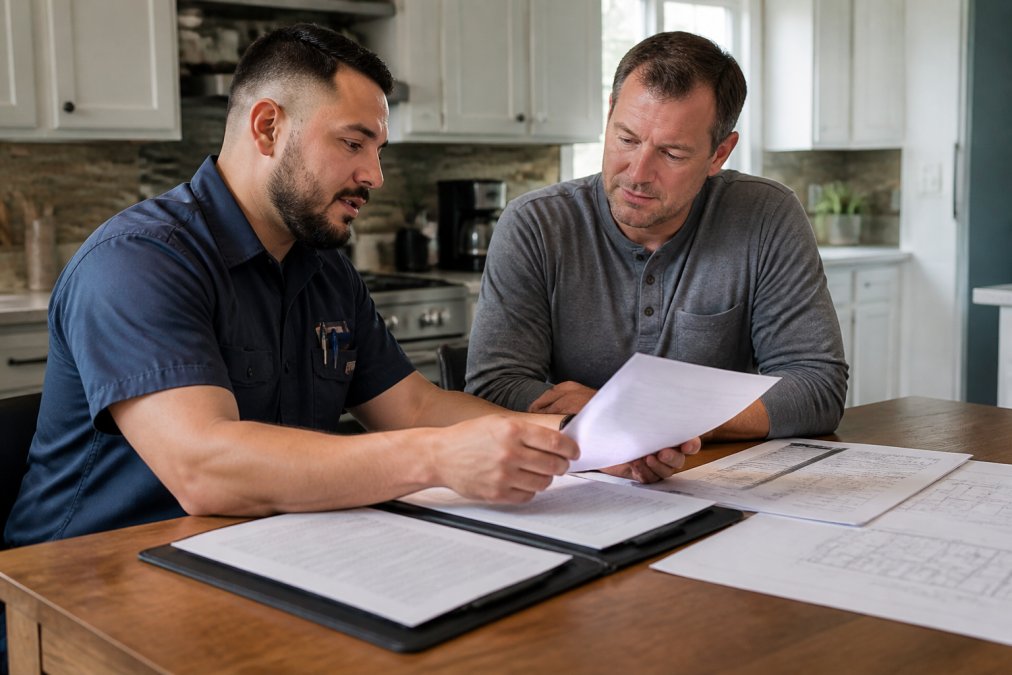
A 20 kW standby generator installation in one neighborhood might cost substantially more or less than the same system in another area, depending on labor rates, soil conditions, utility company requirements, and local permitting timelines. This is why transparent pricing and a thorough site assessment matter. BEARS Electric provides detailed quotes after evaluating your specific electrical infrastructure and local requirements, ensuring no surprises during the project.
The permitting and inspection phase alone can add weeks to your timeline and several hundred dollars to your budget. Local jurisdictions require electrical permits for any generator installation that connects to your home's service entrance, and many require separate permits for gas line work or concrete pad installation. These aren't optional, they protect your home's safety and are required for insurance coverage and future home sales.
Generator Unit Pricing by Kilowatt Capacity
Standby generator pricing scales directly with kilowatt capacity, and choosing the right size is critical to avoiding both underpowered systems and unnecessary overspending. Generators typically range from 8 kW units suitable for essential circuits only, up to 48 kW whole-home systems that power nearly everything.
Sizing depends on your home's load calculation, which determines the peak wattage your household needs during an outage. A professional load assessment identifies which circuits are essential (refrigerator, furnace, water heater, critical outlets) versus optional (pool pump, hot tub, electric range). Most residential installations fall into the 16-24 kW range for partial-home backup or 30-48 kW for whole-home protection (the CDC).
Natural gas generators typically cost less per kilowatt than propane models, though propane units offer flexibility if natural gas isn't available at your location. Liquid-cooled engines cost more than air-cooled versions but run quieter and last longer under continuous operation. Fuel source selection affects not only the unit price but also installation complexity, natural gas requires a utility company connection and gas line installation, while propane needs a tank and potentially underground piping.
The generator unit itself represents roughly 40-50% of your total project cost, with the remainder distributed across labor, electrical work, permits, and site preparation. This means a homeowner focused only on finding the cheapest generator unit often ends up with higher total costs because they've chosen a model that requires more complex installation or doesn't integrate well with their existing electrical infrastructure.
Labor and Professional Installation Fees
Professional installation labor represents the second-largest cost component, typically accounting for 25-35% of your total generator installation cost. Electrician rates vary by region and experience level, but the complexity of your installation determines how many labor hours you'll need. A straightforward installation on a home with modern electrical infrastructure might require 16-24 hours of work, while an older home needing panel upgrades could demand 40+ hours.
The installation process involves several distinct phases. The initial site assessment and load calculation typically take 2-4 hours. The actual installation, mounting the generator, running fuel and exhaust lines, installing the automatic transfer switch, and connecting to your electrical panel, usually takes 2-3 days for a full-home system. Final inspections and system testing add another 4-8 hours.
Labor costs also reflect the installer's experience and credentials. A licensed, insured electrician specializing in generator installations brings expertise that prevents costly mistakes. BEARS Electric's 12 years of industry experience means we complete installations efficiently while ensuring every connection meets code and safety standards.
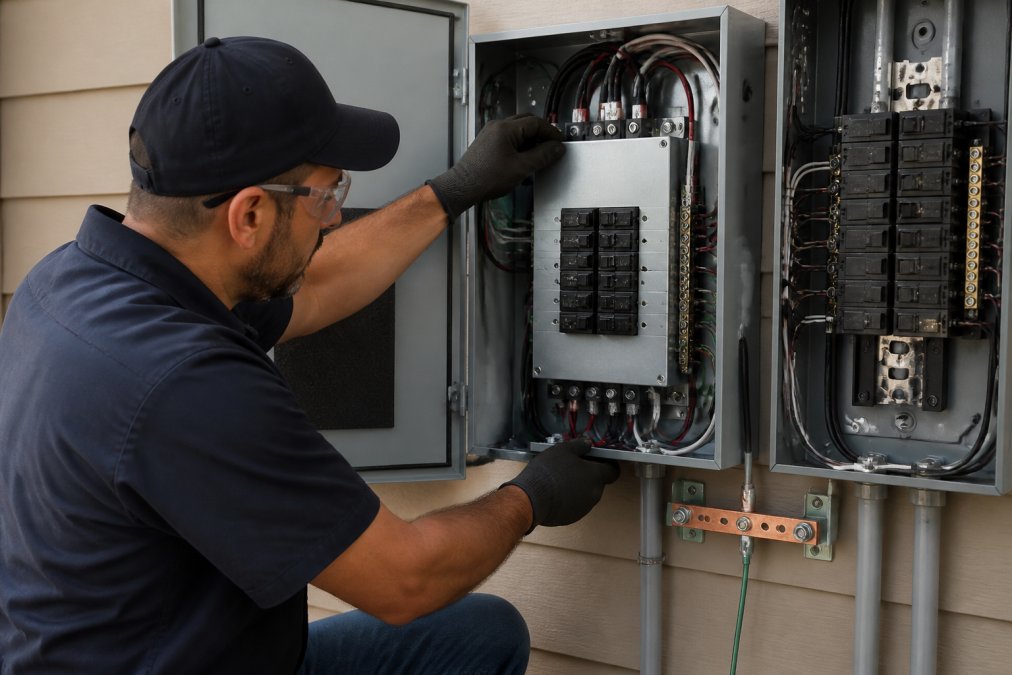
The automatic transfer switch installation is the most technically demanding part of the job. This device automatically detects a power outage and switches your home's electrical load from the utility to the generator within seconds. It must be sized correctly for your electrical service and installed to integrate seamlessly with your existing panel. Improper installation creates fire hazards and can damage your generator or appliances.
BEARS Electric prioritizes same-day service when possible, recognizing that homeowners want their backup power system operational as soon as feasible.
How Long Does a Home Generator Last
A standby generator's lifespan depends heavily on maintenance, fuel type, and usage patterns. Most residential generators are designed to last 20-25 years with proper care, though some well-maintained systems continue operating into their 30s (the NIH). This longevity makes a standby generator a sound long-term investment.
Propane generators typically outlast natural gas models because propane burns cleaner and leaves fewer deposits in the engine. Natural gas contains moisture and sulfur compounds that accumulate in fuel systems over time, requiring more frequent maintenance. However, propane requires regular tank inspection and eventual replacement, adding to long-term ownership costs.
Usage patterns dramatically affect generator lifespan. A generator that runs during occasional outages experiences far less wear than one in a region with frequent power disruptions. Regular maintenance, oil changes, fuel system cleaning, and load testing extend lifespan significantly. Many manufacturers recommend annual service and load testing every 12 months to ensure the generator starts reliably when needed.
Standby Generator Maintenance Requirements
Standby generator maintenance requirements are straightforward but non-negotiable for reliability and longevity. The most critical task is regular load testing, running the generator under load at least quarterly to ensure it starts reliably and operates at full capacity. Many homeowners install automatic weekly exercise cycles that run the generator for 10-15 minutes under no load, which helps prevent fuel system degradation but doesn't replicate real operating conditions.
Oil and filter changes are essential maintenance items, typically required annually or every 100-200 hours of operation, whichever comes first. Fresh oil maintains proper lubrication and cooling, preventing premature wear.
Fuel system maintenance varies by fuel source. Natural gas systems require periodic inspection of gas lines for leaks, corrosion, or damage. Propane systems need annual tank inspection and hydrostatic testing every 5-10 years. Battery maintenance keeps your generator's starting system ready, batteries typically need replacement every 3-5 years.
Air filter replacement prevents engine damage from dust and debris. Depending on your environment, air filters may need changing annually or every 2-3 years.
Professional annual service contracts handle these tasks systematically, ensuring nothing gets overlooked. BEARS Electric offers maintenance packages that include load testing, oil changes, fuel system inspection, and battery checks, providing peace of mind that your generator remains ready for emergencies.
Generator Permit and Inspection Process
The generator permit and inspection process protects your home's safety and ensures your installation complies with local electrical codes. Every jurisdiction requires electrical permits for any generator that connects to your home's service entrance, and many require separate permits for gas line work or concrete pad installation. These permits aren't bureaucratic obstacles, they're safeguards that prevent dangerous installations and ensure your insurance covers generator-related damage.
The permitting process typically begins with your electrician submitting plans showing the generator's location, electrical connections, fuel line routing, and transfer switch installation details. Local building departments review these plans to verify compliance with the National Electrical Code (NEC) and any local amendments. This review usually takes 5-10 business days.
Inspections occur at multiple stages. The initial rough-in inspection verifies that electrical conduit, fuel lines, and transfer switch connections are installed correctly before walls are closed or concrete is poured. The final inspection confirms that all connections are secure, grounding is proper, and the automatic transfer switch functions correctly.
Gas utility companies conduct their own inspection and connection process, which runs parallel to electrical permitting. They verify that gas lines meet code, test for leaks, and approve the connection to your home's gas supply. This process can add 2-4 weeks to your timeline, so coordinating with your utility company early prevents delays.
Hidden Costs and Budget Planning Essentials
Hidden costs often surprise homeowners who underestimated their generator installation cost beyond the unit and basic labor. Site preparation frequently exceeds initial expectations, if your chosen generator location requires excavation, grading, or drainage work, costs can escalate quickly. A concrete pad for the generator might cost several hundred dollars, and if your yard has poor drainage, you may need additional grading or a French drain.
Electrical panel upgrades represent another common hidden expense. Older homes with 100-amp service panels often need upgrading to 150 or 200 amps to accommodate the generator's load. This upgrade can cost several thousand dollars and extend your project timeline significantly. A thorough site assessment identifies these needs before work begins, preventing mid-project surprises.
Gas line extensions add cost if your home's existing gas lines don't reach the generator location. Running new gas lines requires digging, conduit installation, pressure testing, and utility company inspection. A 50-foot gas line extension costs considerably more than a 10-foot run, and underground installation in rocky soil costs more than in soft earth.
Electrical disconnects and safety devices beyond the basic transfer switch increase costs but enhance safety. Some installations require a generator disconnect switch separate from the transfer switch, additional grounding rods, or surge protection devices.
Contingency planning should include 10-15% budget reserve for unexpected issues discovered during installation. Buried utilities, structural complications, or code interpretation differences might require modifications you couldn't anticipate during the initial assessment.
Property value impact represents a long-term financial consideration. A whole-home standby generator increases home resale value by providing a significant safety and convenience feature. Homes with backup power systems appeal to buyers concerned about outages, potentially justifying a higher asking price.
Financing options affect your total cost through interest and terms. Many homeowners finance generators through home equity loans, personal loans, or utility company rebate programs. Some utilities offer rebates or financing incentives for backup power systems, reducing your net cost.
Planning a residential generator installation requires understanding the true costs beyond the equipment itself. The generator installation cost encompasses unit pricing, professional labor, electrical infrastructure upgrades, permitting, site preparation, and contingency reserves. Each component varies based on your home's existing electrical system, local building codes, and fuel source availability.
At BEARS Electric, we provide transparent pricing that separates every cost category, eliminating surprises during your project. Our 12 years of industry experience means we identify potential complications during the initial site assessment, allowing you to budget accurately. We handle all permitting requirements, coordinate with utility companies, and ensure your installation meets every safety code. The National Electrical Code establishes safety standards for generator installations that protect your home and family. Get a free quote from BEARS Electric today, and let our team guide you through the entire generator installation process with clear pricing and reliable service.
Frequently Asked Questions
Q: What factors influence the total cost of a whole-house generator installation?
A: Total cost depends on generator unit size (measured in kilowatts), fuel source choice (natural gas vs. propane), electrical panel capacity and whether upgrades are needed, site preparation requirements, concrete pad installation, permit and inspection fees, and local labor rates. A site assessment helps determine load calculation needs and whether a sub-panel or service entrance upgrades are necessary. Professional installation complexity also varies based on your home's existing electrical infrastructure and local building codes.
Q: How long does a home generator last with proper maintenance?
A: A well-maintained residential standby generator typically lasts 20-40 years, though actual lifespan depends on usage patterns, fuel type, and maintenance consistency. Natural gas generators often last longer than propane units because they experience less corrosion. Annual service contracts and regular maintenance schedules, including oil changes, filter replacements, and load bank testing, extend operational life significantly. Neglecting maintenance can reduce lifespan to 10-15 years and increase emergency repair costs.
Q: Do I need a permit for a residential generator installation?
A: Yes, electrical permits are required for standby generator installations in most jurisdictions. You'll need an electrical permit, and depending on fuel line work, possibly a gas line permit. The generator permit and inspection process typically involves a site assessment, electrical inspection before operation, and verification that the installation meets local building codes and voltage requirements. BEARS Electric handles permit coordination as part of professional installation, ensuring your backup power system passes all required inspections before activation.
Q: What are the hidden costs I should budget for beyond the generator unit price?
A: Common hidden costs include electrical panel upgrades or sub-panel installation if your current service entrance cannot support the generator load, concrete pad preparation and foundation work, gas line installation or propane tank setup, grounding requirements and additional wiring, permit and inspection fees, and site preparation labor. Some installations also require utility interconnection work. A transparent quote from a professional installer will itemize these costs separately so you understand the total investment before work begins.
This article was written using GrandRanker